Midjourney Is Right to Force Hollywood’s AI Cards Onto the Table
Midjourney should be allowed to probe Hollywood studios’ internal AI use in the copyright fight.

Midjourney should be allowed to probe Hollywood studios’ internal AI use in the copyright fight.
Midjourney is right to push for discovery into Disney, Universal, and Warner Bros. internal AI use, because a copyright case this broad cannot be litigated on a one-way mirror. If the studios want to accuse an AI company of industrial-scale infringement while using similar tools behind the scenes, the court needs facts about those internal systems, not just sanitized consumer-facing demos.
The first argument: fairness requires reciprocity
Get the latest AI news in your inbox
Weekly picks of model releases, tools, and deep dives — no spam, unsubscribe anytime.
No spam. Unsubscribe at any time.
This lawsuit is not a narrow dispute over a single image or a single prompt. The studios are accusing Midjourney of enabling massive infringement of protected characters, which means Midjourney’s defense rests on more than denials. Its lawyers are entitled to test whether the plaintiffs are themselves using AI in ways that bear on fair use, industry custom, and unclean hands.
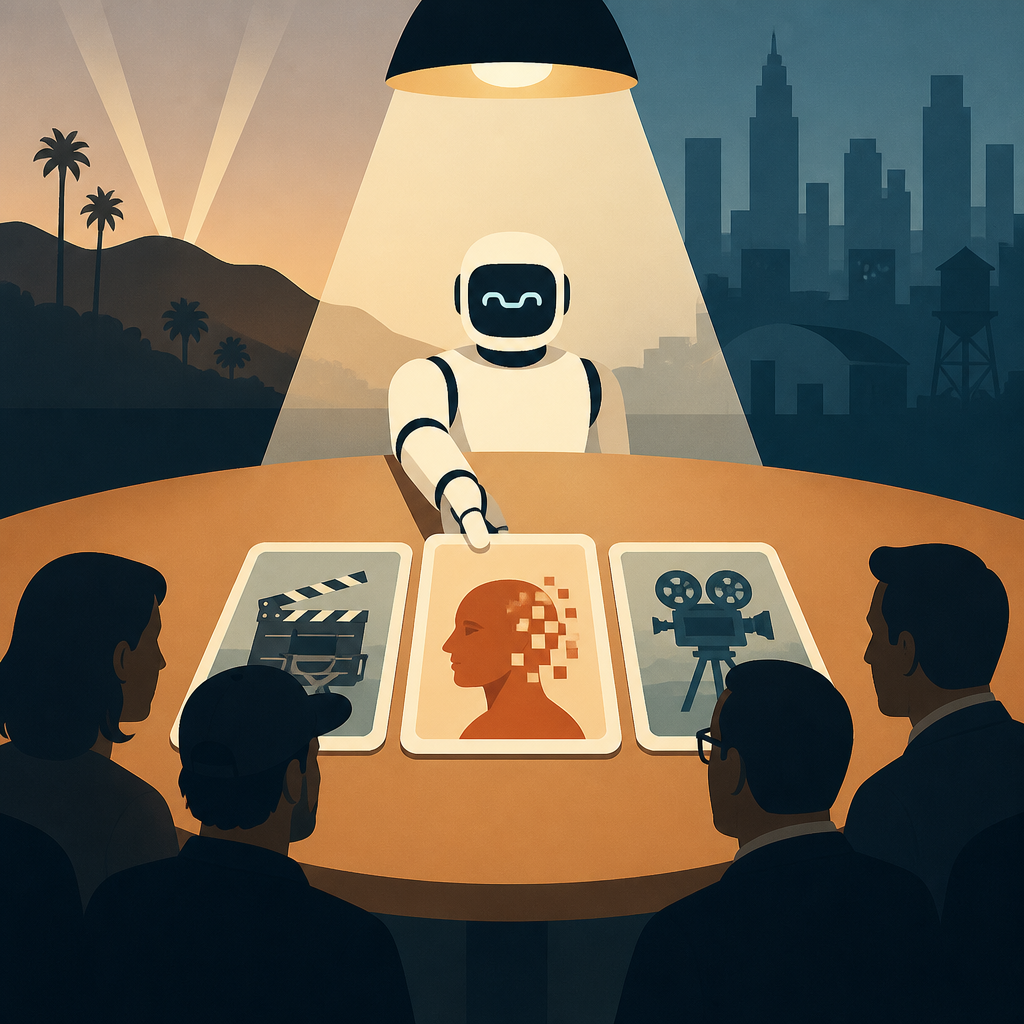
The discovery fight matters because the studios have already agreed to turn over only consumer-facing AI applications, while resisting disclosure of internal tools, training data, model weights, and board-level AI presentations. That split creates an obvious asymmetry: the plaintiffs get to define the public narrative about AI while shielding the private machinery that may undercut it. In litigation, that is not restraint. It is leverage.
The second argument: internal AI use can change the legal story
Midjourney is not asking for trivia. It wants business plans, research reports, training datasets, model weights, and other records that could show whether the studios are using AI to storyboard, ideate, market, or generate content. If a studio is training internal models on unlicensed third-party material, that evidence goes directly to whether the industry treats such conduct as normal, tolerated, or even necessary.
That is why the magistrate judge’s narrow focus on consumer-facing applications feels too cramped. A company can market one AI product to the public while deploying a far more aggressive internal stack in development workflows. If those internal systems rely on the same copyrighted inputs Midjourney is accused of exploiting, then the case stops being a clean morality play about one rogue vendor and becomes a broader argument about how Hollywood itself is adapting to generative AI.
The counter-argument
The studios’ best point is that Midjourney is trying to turn discovery into a distraction. Their complaint is straightforward: Midjourney allegedly copied and distributed famous characters without permission, and the question before the court is whether that conduct infringed copyright, not whether Disney or Warner Bros. are experimenting with AI in some other part of the business.
There is also a serious privacy and trade-secret concern. Internal AI research, model weights, training sets, and board materials can reveal product strategy and technical know-how that have little to do with the specific accused acts. Courts do not hand over a company’s crown jewels just because the other side wants a rhetorical advantage.
That objection is valid, but it does not defeat Midjourney’s request outright. The answer is not blanket secrecy; it is targeted disclosure. If the studios claim AI is irrelevant, they should still have to produce enough internal material to test whether they are using the same class of tools in ways that matter to fair use, custom, and consistency. Judge Richlin’s consumer-facing-only limit may protect trade secrets, but it also risks hiding the very evidence that could show whether the plaintiffs are speaking out of both sides of their mouth.
What to do with this
For founders and product leaders, the lesson is simple: assume your internal AI stack will become exhibit A if you sue, get sued, or enter partnership talks. Keep clear records of training data, model sourcing, and use cases, separate consumer products from internal workflows, and be ready to explain why your AI practices are lawful, limited, and consistent with your public claims. For engineers and PMs, that means building audit trails now, not after the subpoena arrives.
// Related Articles
- [IND]
Cloudflare sets September 15, 2026 crawl defaults
- [IND]
Cloudflare’s new crawler rules shift power to publishers
- [IND]
Midjourney is building a body-scan spa
- [IND]
Midjourney should stay out of diagnosis and focus on body-composition…
- [IND]
Microsoft bets $2.5B on enterprise AI deployments
- [IND]
Microsoft’s $2.5B AI unit shows where enterprise AI is headed