NSA’s Anthropic loss shows export controls bite fast
1 agency lost access to a powerful A.I. model, showing how export controls can cut off federal testing fast.

The NSA lost access to Anthropic’s A.I. tools after export controls tightened.
The National Security Agency was among the first organizations given access to Anthropic’s models, then lost that access after an export control directive this month. That shift shows how quickly policy can change who gets to test advanced A.I. systems.
| Item | Access status | Policy signal |
|---|---|---|
| NSA | Lost access | Export controls took effect |
| Anthropic | Restricted | Product access changed for federal testing |
| Pentagon | Flagged risk | Viewed the model as a national security concern |
| Federal testers | Uneven access | Access now depends on directives |
1. The NSA’s early access
Get the latest AI news in your inbox
Weekly picks of model releases, tools, and deep dives — no spam, unsubscribe anytime.
No spam. Unsubscribe at any time.
The NSA was not a late observer. It was one of the first organizations allowed to test Anthropic’s latest products, which put the agency in a rare position: evaluating a model before most of the public could even see it.
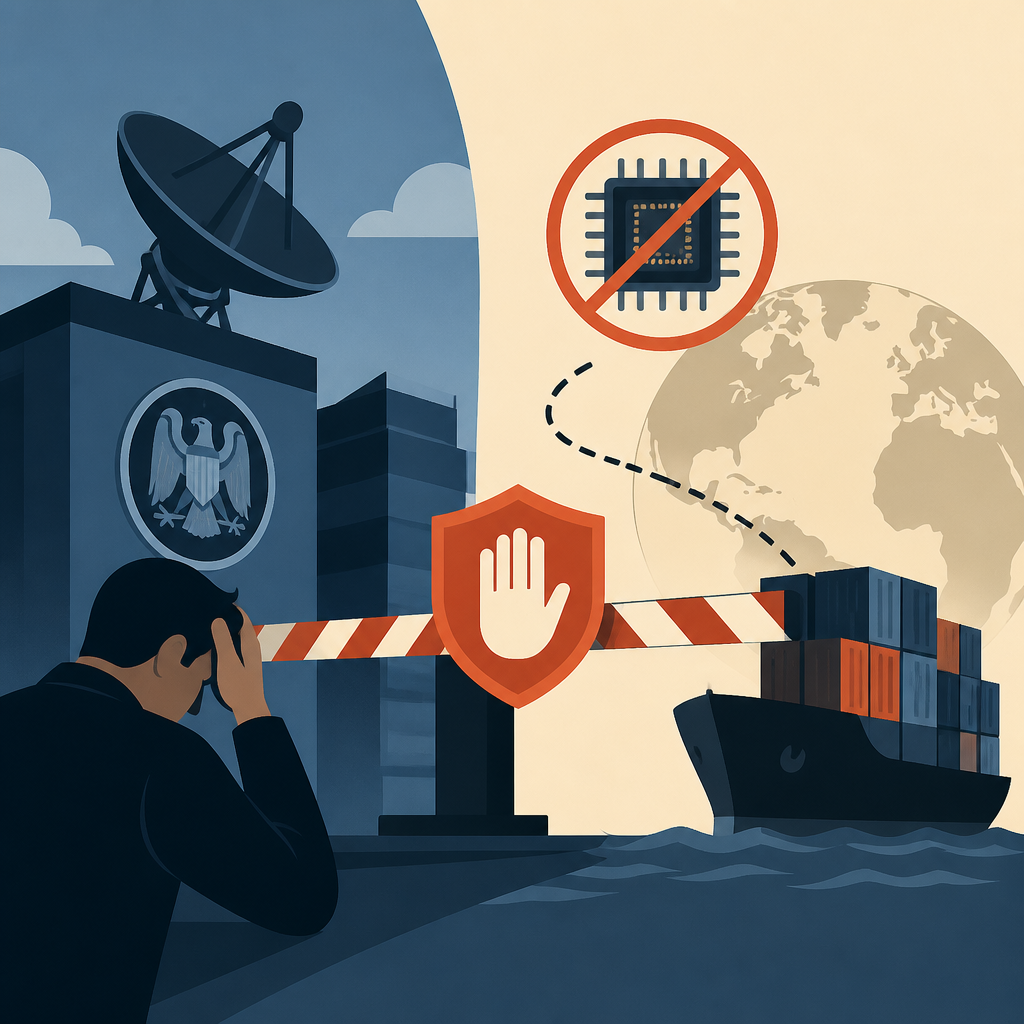
- Early access gave the agency a direct look at model behavior.
- Testing continued until the policy changed this month.
- The case shows how government users can be part of the product test loop.
That kind of access matters because federal agencies do not just use A.I. tools. They also assess whether those tools can be trusted in sensitive settings, especially when the system may touch classified or security-related work.
2. Anthropic’s model and the national security concern
Anthropic’s products were already viewed through a security lens. The Pentagon had deemed the model a risk to national security, which made the NSA’s access unusual even before the cutoff.
For a company building frontier A.I., that sort of scrutiny can become part of the product story. A model can be useful enough for government testing and still raise enough concern to trigger tighter controls.
- Anthropic is the company at the center of the dispute.
- The Pentagon’s risk judgment added pressure around federal use.
- The conflict was not about consumer demand, but about security exposure.
3. The export control directive
The decisive event was an export control directive issued this month. Once that order took effect, the NSA no longer had access to the tool it had been testing.
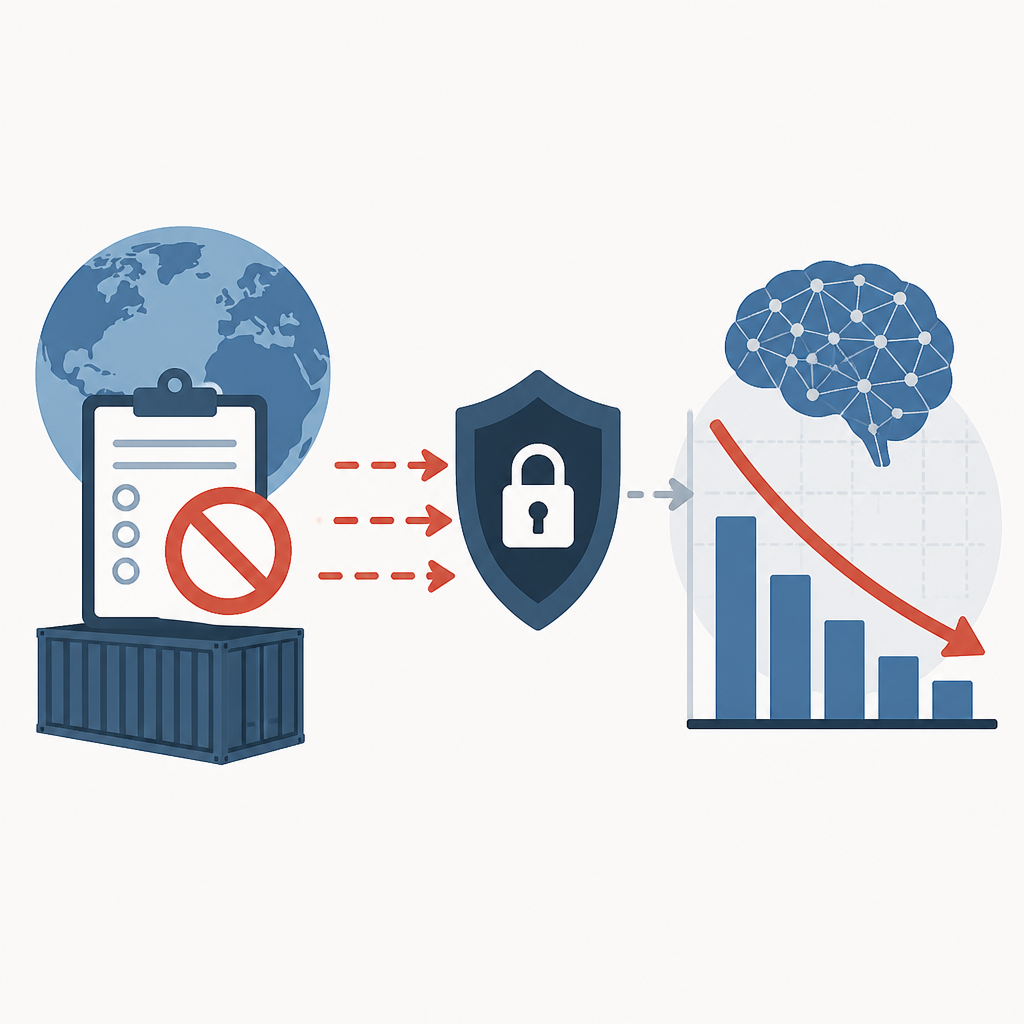
Export controls are often discussed in terms of hardware or chips, but this case shows they can also shape access to software and model testing. When the rules change, even a major agency can be cut off quickly.
Policy change -> access revoked -> testing stops4. What this means for federal A.I. testing
The story is less about one agency and more about the fragility of federal A.I. evaluation. If access can disappear during active testing, agencies may need to plan for interruptions, alternate vendors, and narrower review windows.
- Testing timelines can shift overnight.
- Access may depend on export rules, not just procurement.
- Security reviews can collide with product development schedules.
It also suggests that the government’s role as an early A.I. customer is unstable. Agencies may want to evaluate frontier systems, but they do so under legal and political constraints that can change faster than the technology itself.
5. The broader signal for A.I. companies
For A.I. companies, the lesson is simple: federal access is not permanent. A tool can be welcomed into sensitive testing one month and restricted the next if regulators decide the risk profile has changed.
That makes compliance part of product strategy, not an afterthought. Firms that want government users need to track export rules, security reviews, and agency concerns at the same time they are shipping new models.
- Government testing is valuable, but it is conditional.
- Security objections can override technical interest.
- Policy changes can affect rollout plans for advanced models.
How to decide
If you care most about national security policy, this story is about how export controls can reshape access to powerful A.I. tools in real time. If you track the A.I. market, it is a reminder that agency adoption can be fragile even when a model is already in use.
Readers watching government procurement should focus on the NSA example. Readers watching regulation should focus on the directive. Together, they show that access to frontier A.I. is now as much a policy question as a technical one.
// Related Articles