OpenAI’s comeback proves coding now drives the AI race
OpenAI and Anthropic now lead the AI race, while coding and RL are becoming the real growth engines.

Coding now eats nearly half of model tokens, and that is reshaping the AI race.
OpenAI has turned a shaky stretch into a real comeback, Anthropic has matched it, and Google has fallen behind because the market now rewards product velocity, coding utility, and fast model iteration more than raw scale alone.
OpenAI’s rebound is not a narrative, it is a product fact
Get the latest AI news in your inbox
Weekly picks of model releases, tools, and deep dives — no spam, unsubscribe anytime.
No spam. Unsubscribe at any time.
Codex changed the conversation because it gave OpenAI a clear wedge into developer workflows, and developers are the most demanding users in the market. When a model can generate, refactor, and debug code inside a real workflow, it becomes part of the daily stack instead of a demo.
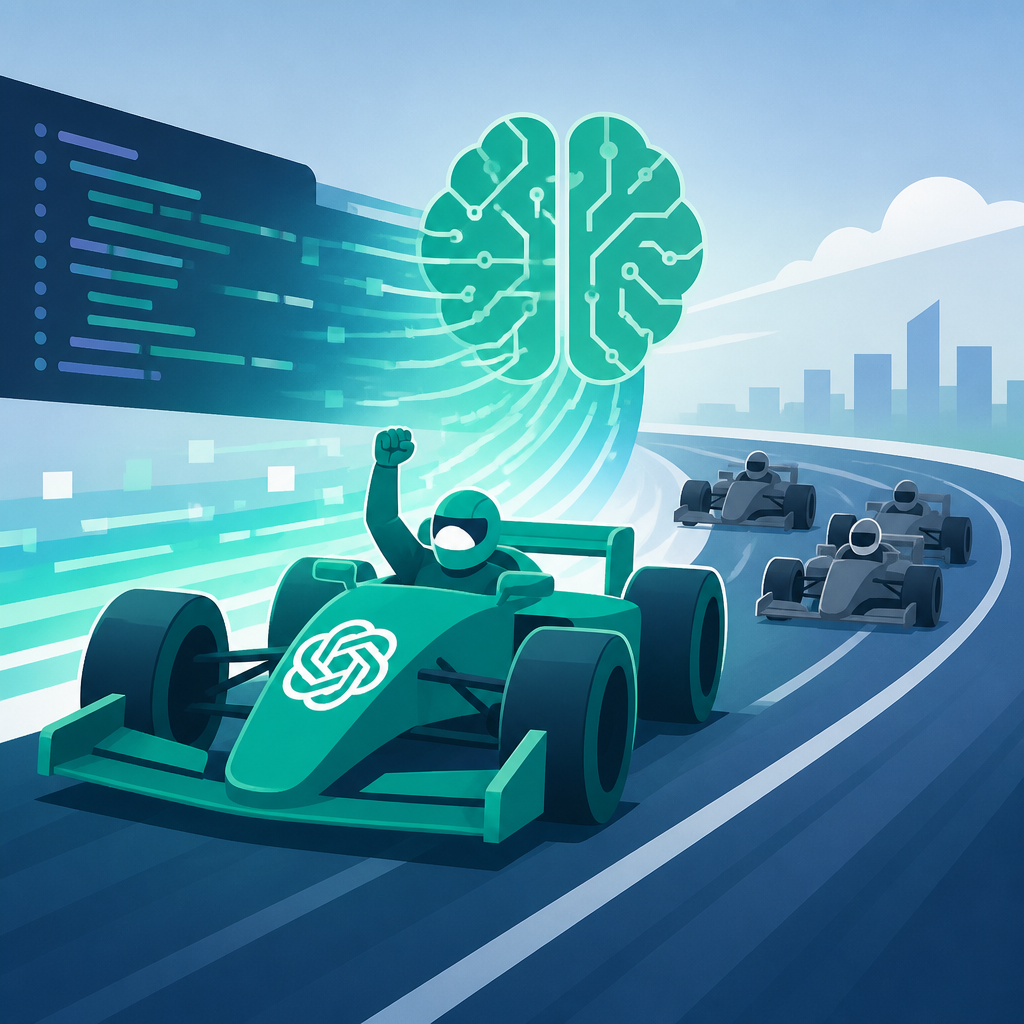
The stronger point is that OpenAI did not rely on a single flagship chatbot win. It paired model gains with a coding product that maps directly to spend, which is why the company can now press Anthropic on both capability and distribution. That matters because the AI market is no longer won by benchmark bragging rights alone.
Anthropic’s lead came from focus, not theater
Anthropic built its edge by staying disciplined around model quality, safety posture, and enterprise trust, and that has paid off in a market where buyers want fewer surprises. Its position in the frontier tier is not accidental; it is the result of being the company that many teams use when they want a serious work model, not a flashy consumer toy.
The clearest data point in the current debate is token mix: coding is now consuming close to half of usage in some frontier contexts, and that pushes the market toward models that are reliable over long tasks. Anthropic benefited from that shift because code work punishes sloppy reasoning and rewards consistency, two areas where its products have been strong.
Google is losing because it treated AI as a side quest
Google’s problem is not that it lacks talent or compute. It is that its AI strategy has been trapped by internal incentives, product hesitation, and a business model that keeps pulling attention back to existing cash cows instead of forcing a clean frontier push.
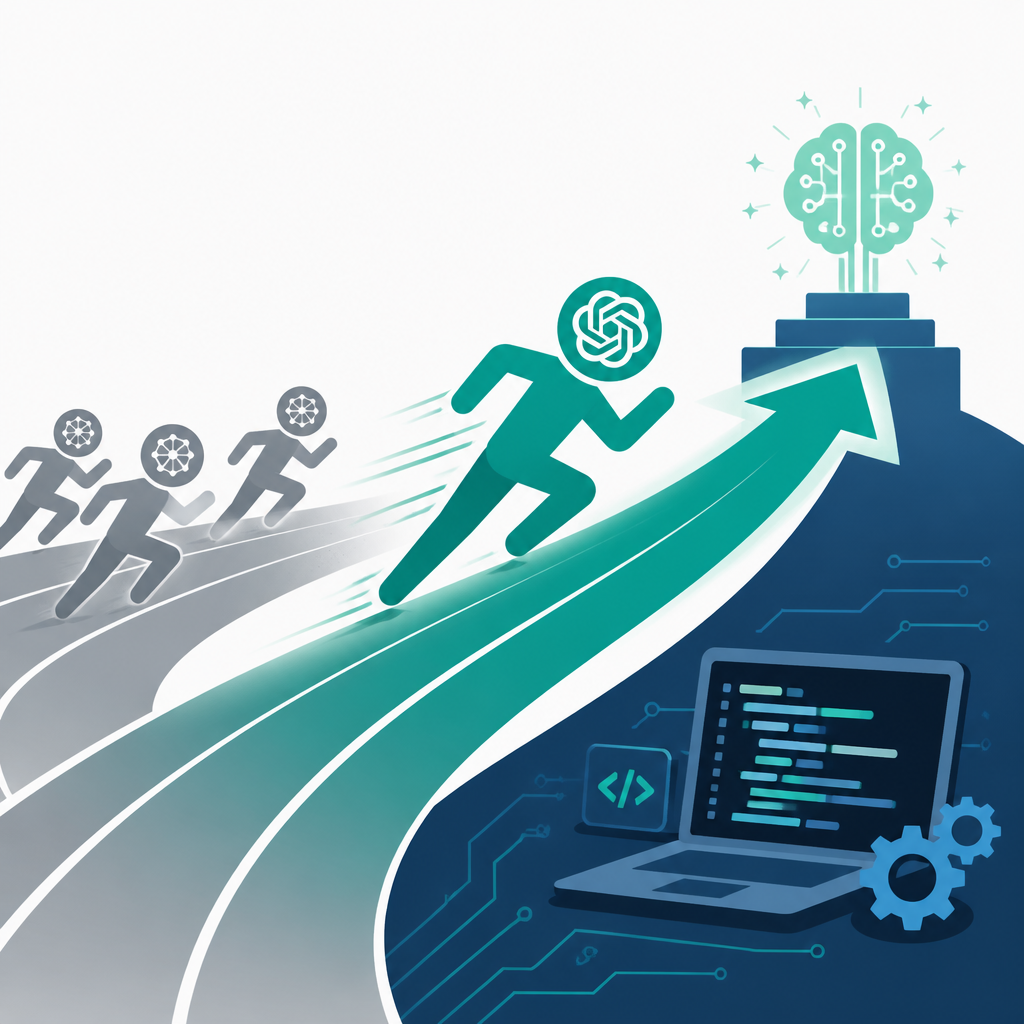
In a market where OpenAI can ship Codex and Anthropic can keep tightening the enterprise story, Google looks slower and more constrained. The result is brutal: a company that should have set the pace now looks like a follower, and that is what happens when compute abundance is not matched by execution discipline.
The counter-argument
The strongest defense of Google is that it still owns massive distribution, deep research talent, and infrastructure advantages that no startup can match. If the AI market eventually rewards integration across Search, Android, Workspace, and cloud, then Google’s slower cadence today may not matter as much as its long-term platform position.
There is also a fair argument that frontier-model leadership is cyclical. A company can stumble on product timing and still recover once the next training run lands, especially when it has the capital and compute to keep iterating. In that view, calling Google a permanent loser is premature.
That counter-argument fails on one key point: the market is already monetizing workflow value, not future optionality. OpenAI and Anthropic are shipping products that attach directly to user spend now, while Google keeps trying to reconcile frontier ambition with a sprawling legacy business. I accept that Google can re-enter the race, but it is behind because the race has changed.
What to do with this
If you are a founder or product leader, stop treating general chat as the main battleground and build for high-frequency workflows, especially coding, agentic assistance, and enterprise tasks with measurable ROI. If you are an engineer, optimize for evals, reliability, and tool use rather than chasing raw parameter scale. The winners in this phase are the teams that turn model capability into paid behavior.
// Related Articles
- [IND]
AI regulation in India is now a business risk
- [IND]
Europe should standardise the AI Act through harmonised technical rul…
- [IND]
AMD and Anthropic’s 2GW deal reshapes AI supply
- [IND]
System design interviews get easier with 5 core ideas
- [IND]
EU AI Act’s 2026 Omnibus buys firms more time
- [IND]
Anthropic puts $200M into AI economy research