OpenAI files confidentially for a US IPO
OpenAI has filed confidentially for a US IPO as it weighs a Wall Street debut valued above $850 billion.

OpenAI has filed confidentially for a US IPO while weighing timing and valuation above $850 billion.
OpenAI has quietly started the paperwork for a US stock market listing, and the number attached to it is huge: more than $850 billion. The company says it has filed a confidential S-1, which means the public will not see the full financial details right away.
The filing matters because it puts one of the most watched AI companies on a path toward Wall Street, even if the actual listing date is still open. It also arrives after a year in which rival Anthropic filed to go public and OpenAI kept expanding its product and partnership push.
| Metric | Value | Why it matters |
|---|---|---|
| IPO filing type | Confidential S-1 | SEC review begins before public disclosure |
| Reported valuation | More than $850bn | Would make it one of the largest listings in market history |
| Recent funding round | $122bn in March 2026 | Helped anchor the company’s current valuation |
| Anthropic IPO filing | Last week | Shows AI listings are moving together |
What a confidential S-1 actually means
Get the latest AI news in your inbox
Weekly picks of model releases, tools, and deep dives — no spam, unsubscribe anytime.
No spam. Unsubscribe at any time.
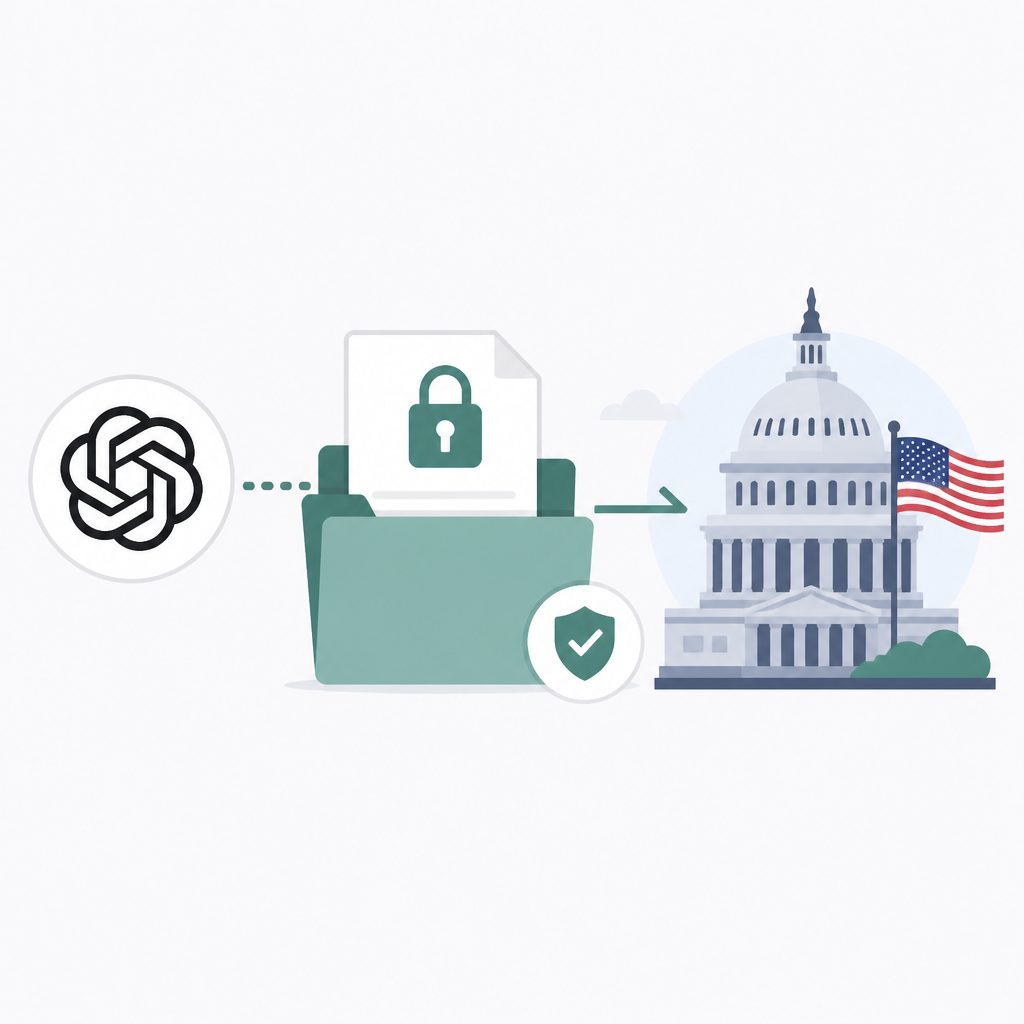
An S-1 is the standard registration document a company sends to the US Securities and Exchange Commission before an initial public offering. Filing it confidentially gives regulators time to review the numbers, risks, and legal disclosures before investors get to read them.
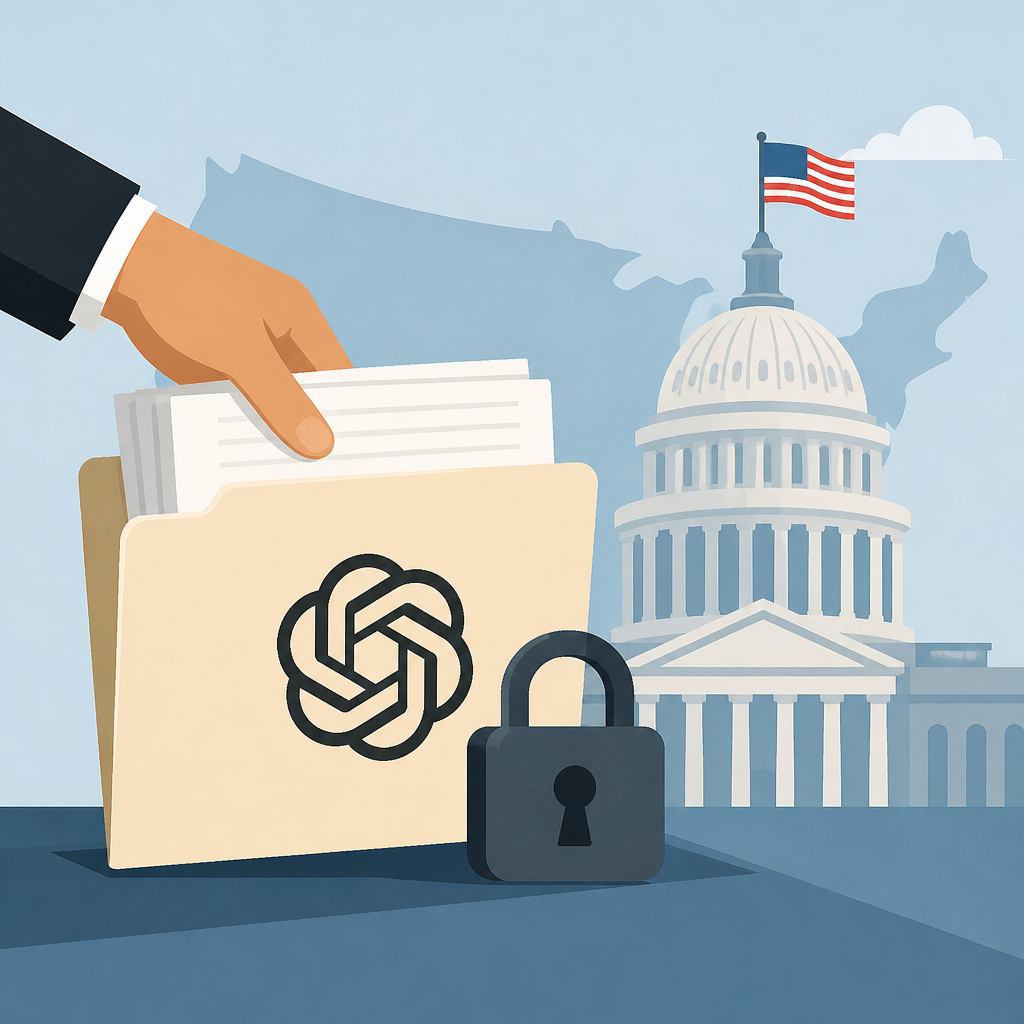
That delay can be useful for a company with this much attention on it. OpenAI can keep its financial details under wraps while it sorts out timing, pricing, and the rest of the IPO process.
OpenAI addressed that tradeoff directly in its blog post: “We have not decided on timing yet; it may be a while because there are things we want to do that are likely easier as a private company.”
The company also said, “We recently submitted a confidential S-1. We expect it to leak so we’re just announcing it.” That line tells you a lot about the mood around this filing. OpenAI knows the market will obsess over it either way.
Why this listing could matter more than a normal tech IPO
OpenAI is not coming to market as a sleepy software company with a single product line. It is coming in after ChatGPT turned consumer AI into a daily habit, and after the company became a central supplier in the AI boom.
Since ChatGPT launched in 2022, OpenAI has expanded into image generation, code tools, enterprise deals, and higher-end models. It has also pushed beyond chat with products like Sora, even though that app was later shut down in April 2026.
The company’s path has included big bets outside software too. OpenAI bought Jony Ive’s startup in early 2025, then pursued a broader app strategy that has not yet produced another breakout hit on the scale of ChatGPT.
- ChatGPT launched publicly in 2022 and changed how a lot of people use AI day to day.
- OpenAI closed a $122bn funding round in March 2026, according to the Wall Street Journal.
- The company’s reported valuation after that round was about $852bn.
- OpenAI says it has not set IPO timing yet.
The legal and business baggage around the filing
OpenAI’s IPO path is happening with more scrutiny than most companies ever face. The company recently beat Elon Musk in a lawsuit tied to claims that it improperly converted from a non-profit to a for-profit structure.
That case mattered because a different outcome could have slowed or complicated the move to public markets. Instead, a panel of nine jurors ruled that the suit was outside the statute of limitations and that OpenAI was not liable.
“We recently submitted a confidential S-1. We expect it to leak so we’re just announcing it.”
That public posture is important. OpenAI is trying to project confidence while still leaving itself room to stay private longer if conditions change. For a company with this much legal baggage, that flexibility is worth a lot.
The company is also dealing with lawsuits that go far beyond corporate structure. More than a dozen cases accuse ChatGPT of worsening mental health crises, including claims that it acted as a “suicide coach” and contributed to violent acts.
How OpenAI compares with other AI listings
OpenAI’s filing lands in a year that looks unusually busy for AI capital markets. Anthropic filed for an IPO last week, and Elon Musk’s xAI, through SpaceX ownership links, is also being discussed in public-market terms.
What makes OpenAI different is scale. Its reported valuation is already above $850bn, and that puts it in a class where even small changes in revenue, growth, or legal risk can move billions of dollars in perceived value.
- SEC filings will eventually reveal revenue, margins, and risk factors.
- Microsoft, Google Cloud, and Nvidia remain key strategic partners.
- The company has not yet produced a second product with ChatGPT-level reach.
- OpenAI’s listing could reset how the market prices AI infrastructure and model companies.
That last point matters for everyone watching AI startups. If OpenAI prices near the top end of expectations, it could make later private fundraising rounds even more expensive across the sector. If it stumbles on disclosure, growth, or litigation, investors may get more cautious fast.
What to watch next
The next real milestone is the public version of the S-1, because that is where the numbers will finally show up. Revenue growth, cash burn, customer concentration, and legal risk will matter more than the headline valuation.
For now, the important takeaway is simple: OpenAI has opened the door to a Wall Street debut, but it has not committed to walking through it yet. The question for investors is whether the company can turn ChatGPT’s early dominance into a public-market story that survives scrutiny on growth, profit, and safety.
If the filing leaks before the company wants it to, that may become the first real test of how much control OpenAI still has over its own narrative.
// Related Articles
- [MODEL]
GPT-5.4 lands with Pro, Thinking, mini, nano
- [MODEL]
MiMo-V2-Flash hits top open-source SWE-bench scores
- [MODEL]
MiniMax M3 adds 1M-token coding power
- [MODEL]
Google Gemini 3.5 Pro Targets June With 2M Tokens
- [MODEL]
Unsloth’s Kimi-K2.5 GGUF pack lands on Hugging Face
- [MODEL]
GPT-5.6先追前端,再谈超越Mythos