Postgres data movement is the next database battle
Postgres has storage sorted out, but data movement and interoperability are now the hard problems.

Postgres storage is mature, and the next fight is moving data cleanly between systems.
PostgreSQL has spent decades becoming the default database for a huge slice of modern software, and that success created a new bottleneck: moving data around it without breaking applications. The storage layer is no longer the main story. Interoperability, replication, and data movement are.
That shift matters because the database is no longer a lonely box in the middle of an app. It sits inside pipelines, analytics stacks, AI systems, and operational tools that all want access to the same records with different latency and consistency needs.
| Signal | What it means |
|---|---|
| Postgres adoption | The article argues the core storage problem is largely solved |
| New bottleneck | Data movement between systems |
| Primary concern | Interoperability across tools, services, and workloads |
Storage is no longer the hard part
Get the latest AI news in your inbox
Weekly picks of model releases, tools, and deep dives — no spam, unsubscribe anytime.
No spam. Unsubscribe at any time.
For years, database teams spent most of their energy on capacity, indexing, backups, and tuning. PostgreSQL matured through that era and picked up a deep ecosystem around extensions, managed services, and cloud deployments. The result is a database that can hold serious production workloads without much drama.

The article’s core claim is that this problem is mostly behind us. That does not mean storage stopped mattering. It means storage is now table stakes, while the more expensive failures happen when data has to leave the database, move across services, or stay consistent across multiple systems.
This is the same pattern we have seen in other infrastructure layers. Once the base technology becomes dependable, the competitive edge shifts to integration and operational control. In databases, that means CDC pipelines, logical replication, cross-system sync, and better ways to share data without turning every change into a custom project.
- Postgres already handles the “keep data safe” job for many teams
- The new pain is moving that data without losing consistency
- Teams now care more about interoperability than raw storage capacity
Why data movement is the new bottleneck
Data movement sounds simple until you try to do it in production. Every application has different expectations about freshness, ordering, conflict handling, and failure recovery. A sync that works in a demo can become a mess once real traffic, retries, and partial outages show up.
That is why the database is becoming part of a larger coordination problem. If one service writes customer records, another needs them for search, and a third needs them for AI retrieval, the database is no longer just a storage engine. It is the source of truth for a distributed system that needs careful plumbing.
Postgres has an advantage here because so many teams already trust it. But trust alone does not solve interoperability. The hard part is making Postgres data usable across systems without forcing every team to invent its own sync layer or live with stale copies.
“The database storage problem is solved. Here’s what comes next.” — Craig Kerstiens, The New Stack
That quote gets to the heart of the article’s argument. The industry spent years getting databases to store data reliably. Now the pressure is on moving that data cleanly, quickly, and in ways that fit real application needs.
Interoperability is where the money and pain are
Interoperability is a boring word with expensive consequences. If your data cannot move between systems without custom code, every new tool adds more maintenance. If your replication model is fragile, every incident becomes a data integrity problem. If your analytics stack cannot keep up, your product teams make decisions from stale information.
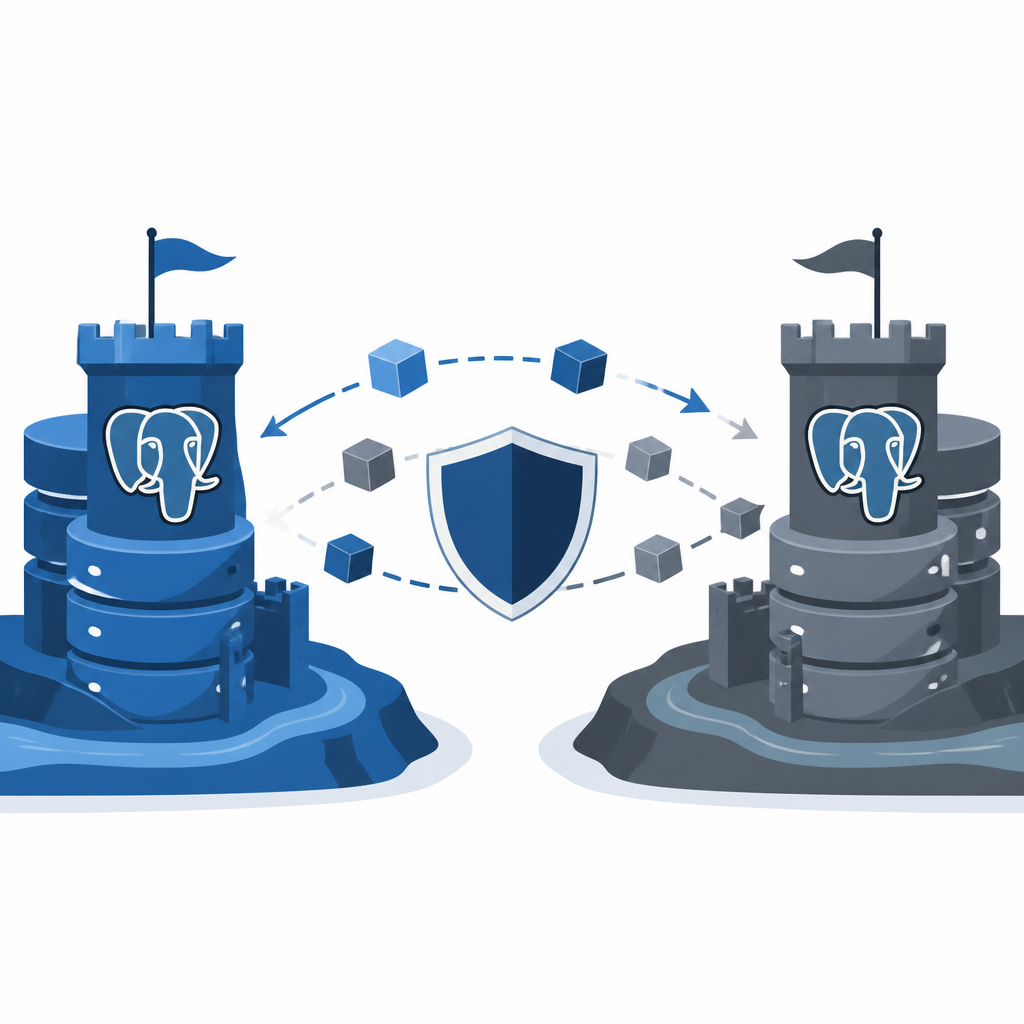
That is why the next generation of database work is less about compression ratios and more about practical integration. Teams want databases that speak to event streams, analytics engines, search indexes, and AI systems without making them rebuild their architecture every quarter.
There is also a vendor angle here. The more portable data becomes, the less any single platform can trap a company inside one storage model. That creates pressure for better open standards, better replication tooling, and fewer hidden assumptions about where data lives and how it moves.
- Custom sync code increases maintenance cost
- Stale replicas distort analytics and product decisions
- Poor interoperability locks teams into brittle workflows
- Better data movement reduces the need for one-off plumbing
Postgres is still winning, but the game changed
Postgres remains the center of gravity because it is familiar, open, and flexible enough for a wide range of use cases. But the article makes a sharper point: winning storage is no longer enough. The next competition is about how well a database fits into the rest of the stack.
That is especially true as AI workloads put more pressure on operational data. Retrieval systems want fresh records. Agents want low-latency access. Analytics wants consistent snapshots. Those needs collide fast, and the database layer has to mediate them without turning into a bottleneck.
For teams building on Postgres today, the practical takeaway is simple: treat data movement as a first-class architecture problem. If replication, sync, and cross-system access are afterthoughts, the pain will show up later in outages, stale dashboards, and brittle integrations.
For readers following the broader database market, the next question is not whether Postgres can store the data. It is whether the tools around it can move that data cleanly enough to keep up with modern applications. That is where the next wave of database competition will be decided.
Related reading: Why AI retrieval and ranking need more than vector search
// Related Articles