Prime Day proves PC hardware discounts still matter most when prices …
Prime Day is still the best time to buy PC hardware because real discounts are scarce and valuable.

Prime Day is still the best time to buy PC hardware because real discounts are scarce and valuable.
Prime Day is not a gimmick for PC builders anymore; it is one of the few moments when meaningful discounts on SSDs, RAM, GPUs, CPUs, and peripherals actually show up at scale.
Scarcity has made the sale more valuable, not less
Get the latest AI news in your inbox
Weekly picks of model releases, tools, and deep dives — no spam, unsubscribe anytime.
No spam. Unsubscribe at any time.
The core reason Prime Day matters now is simple: PC prices have climbed across the board, so even ordinary discounts carry real weight. Tom’s Hardware says this year’s event is “more important than ever” because finding a deal on components has become harder, and that is exactly why the sale still deserves attention. When a 1TB Samsung 990 Pro drops from $319.99 to $219.99, the $100 cut is not a marketing flourish. It is the difference between paying full freight for a premium SSD and buying at a price that finally makes sense.
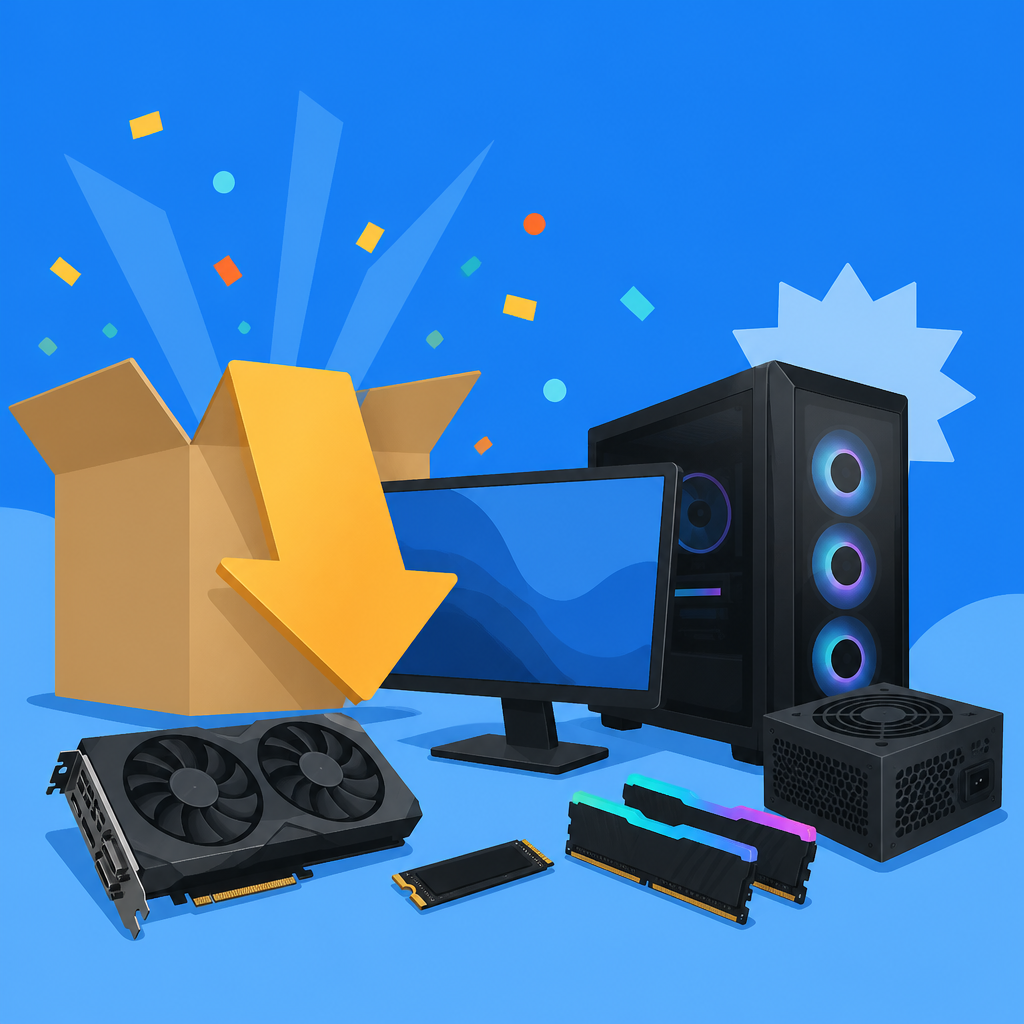
The same logic applies to the bigger-ticket parts that actually shape a build. A Samsung 4TB 9100 Pro at $499, down from $1,359, is not a casual markdown; it is a category-defining price cut on a PCIe 5.0 drive that would otherwise sit out of reach for most buyers. That kind of discount changes purchasing behavior. People do not just “browse” a deal like that. They reorganize a build around it.
Good deal coverage beats random bargain hunting
The strongest argument for Prime Day coverage is not that every listing is good. It is that curated coverage filters out the junk. Tom’s Hardware says its editors are not selecting items willy-nilly; they are using reviews, benchmarks, and historical pricing analysis to decide what counts as value. That matters because hardware shopping is full of fake urgency, inflated list prices, and mediocre products dressed up as steals. A curated deal hub reduces the odds of buying a bad part just because it is discounted.
That is why the best examples in the live feed stand out. The Corsair Xeneon Edge at $199.99 is not just a random accessory; it is a 14.5-inch secondary display that can sit under a monitor, beside it, or inside a case as a status panel. The Bambu Lab P2S at $499 is not merely cheaper than retail, it is positioned as a meaningful refresh of a respected printer line with a better nozzle, screen, camera, and cooling. In both cases, the sale coverage is doing more than listing prices. It is translating price cuts into actual use cases.
Prime Day also exposes where the market is heading
These deals are useful because they reveal which product categories are under pressure and which vendors are using discounts to win mindshare. The live coverage includes everything from the HOTO screwdriver kit to Xreal’s One Pro and 1S AR glasses, which tells you the sale is no longer limited to the obvious staples like drives and memory. It is now a pressure test for the entire PC-adjacent ecosystem, from maintenance tools to wearable displays. That breadth matters because it shows where manufacturers are willing to sacrifice margin to move inventory and build adoption.

It also gives buyers a realistic sense of value across tiers. The Xreal One Pro at $549 is still premium, but the 1S at $399 lowers the entry point enough to make AR hardware feel less speculative. The HyperX Cloud III at $58.99 turns a well-reviewed wired headset into an easy recommendation for anyone who does not need wireless. Those are not just impulse buys. They are signals that the market is trying to normalize products that were recently too expensive for mainstream buyers.
The counter-argument
The skeptical case is straightforward: Prime Day trains people to overbuy. It creates urgency, encourages affiliate-driven hype, and makes shoppers believe they are saving money when they are really just reacting to a countdown timer. That criticism is fair. A sale event can absolutely push mediocre purchases, especially when buyers do not know their actual needs or the going market price.
There is also a legitimate complaint that some “deals” are only modest reductions on products that were overpriced to begin with. A 9 percent discount on a printer or a 15 percent cut on AR glasses does not automatically make the item a good buy. If a product is wrong for your workload, a discount just makes a mistake cheaper.
Still, that counter-argument does not beat the central point. Prime Day is worth taking seriously because the best hardware deals are anchored in products with known performance, known reviews, and visible pricing history. That is a different situation from random retail markdowns. The sale is not valuable because every item is a bargain. It is valuable because it concentrates enough real bargains in one place that informed buyers can act decisively and ignore the rest.
What to do with this
If you are an engineer, PM, or founder buying gear for yourself or a team, treat Prime Day like a procurement window, not a shopping spree. Decide in advance which components or tools you actually need, set target prices based on recent market levels, and buy only when a discounted item clears that bar. Focus first on high-impact parts with stable benchmarks and clear value, like SSDs, RAM, headsets, and monitors. Skip anything that depends on novelty, hype, or a discount that looks large only because the original price was inflated. The winning move is not to chase every deal. It is to use the sale to buy the right hardware at the right time.
// Related Articles