Prompt versioning belongs in production, not in docs
Prompt versioning is production infrastructure, not a documentation habit.

Prompt versioning is production infrastructure, not a documentation habit.
Teams that edit prompts in place are choosing avoidable regressions. The Braintrust guide makes the problem plain: one wording change can fix an edge case and quietly damage the main use case, while a production rollback becomes guesswork if the old text was overwritten. In 2026, the right answer is not “keep a history somewhere.” It is to treat prompts as immutable artifacts with environments, evaluation, and collaboration built around them.
Prompt versioning only matters when it protects production
Get the latest AI news in your inbox
Weekly picks of model releases, tools, and deep dives — no spam, unsubscribe anytime.
No spam. Unsubscribe at any time.
The strongest case for versioning is not bookkeeping, it is blast-radius control. If a prompt change breaks a customer flow, the team needs a known-good version to restore immediately. Braintrust’s own framing is explicit here: version IDs, rollback, and environment-based promotion are the core of a safe workflow. That is the same logic teams already accept for application code, and prompts deserve the same discipline because they now shape user-facing behavior directly.
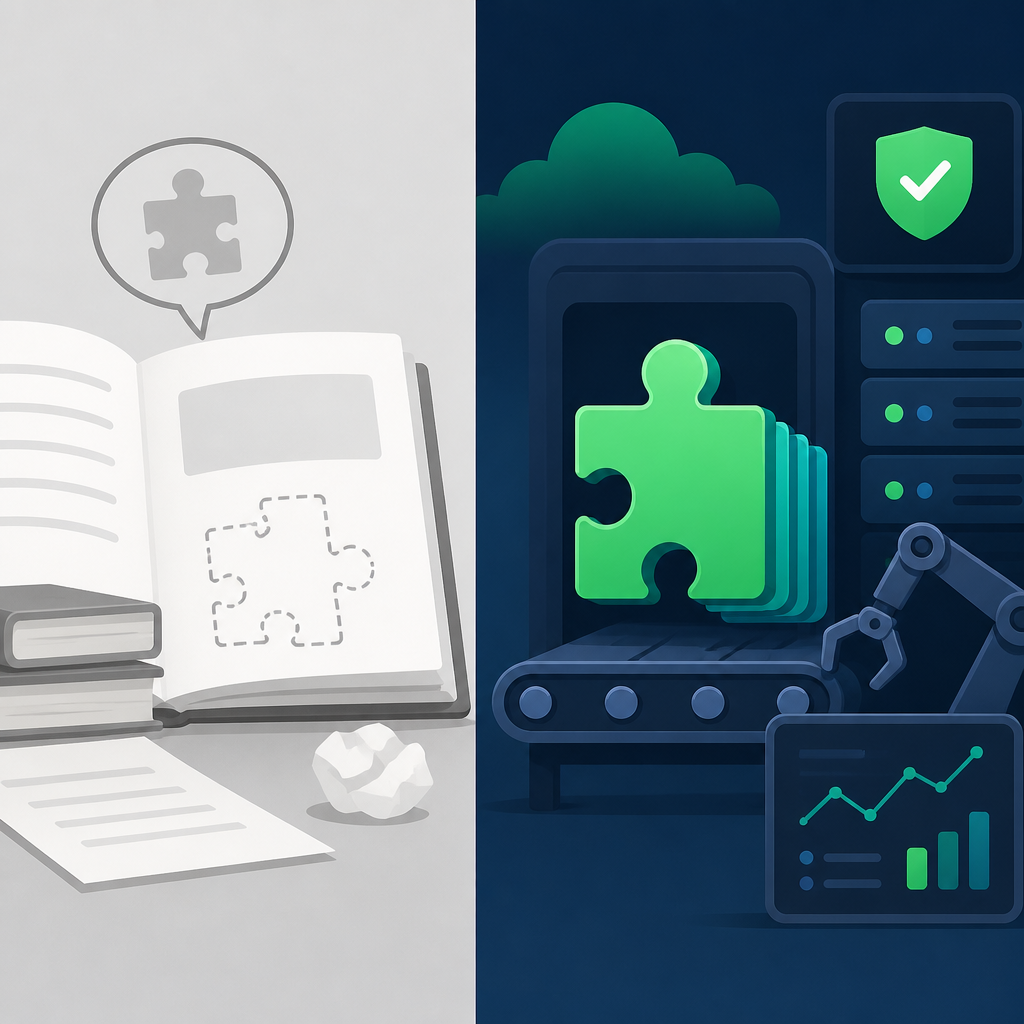
There is also a practical reason this matters now. The article’s selection criteria put deployment and environments at 30 percent of the score, ahead of every other feature. That weighting is correct. A tool that can store prompt history but cannot move changes through dev, staging, and production is a log, not infrastructure. Production teams do not need another archive. They need a controlled release path.
Evaluation is the real value of versioning
Versioning without evaluation is just a nicer changelog. The guide says it directly: without linked evaluation, versioning becomes record-keeping rather than improvement infrastructure. That is the key distinction. A prompt can look cleaner and still perform worse on edge cases, longer conversations, or downstream extraction tasks. Only side-by-side evaluation shows which version actually wins.
Braintrust’s score breakdown makes the point stronger. Evaluation integration gets 98 out of 100, the highest mark in the comparison, because it connects prompt changes to quality metrics and CI/CD workflows. That is the model production teams need. If a prompt change cannot be measured against a baseline, the team is relying on taste, not evidence. In a system that affects conversions, support load, or safety, that is not acceptable.
Collaboration is the feature most teams underestimate
The article is right to treat shared workspaces as a major part of the category. Prompt work is no longer a solo engineering task. Product managers adjust wording, domain experts validate accuracy, and engineers wire the result into the app. When those people work in separate tools, every iteration passes through copy-paste, screenshots, and interpretation. That slows the loop and introduces drift.
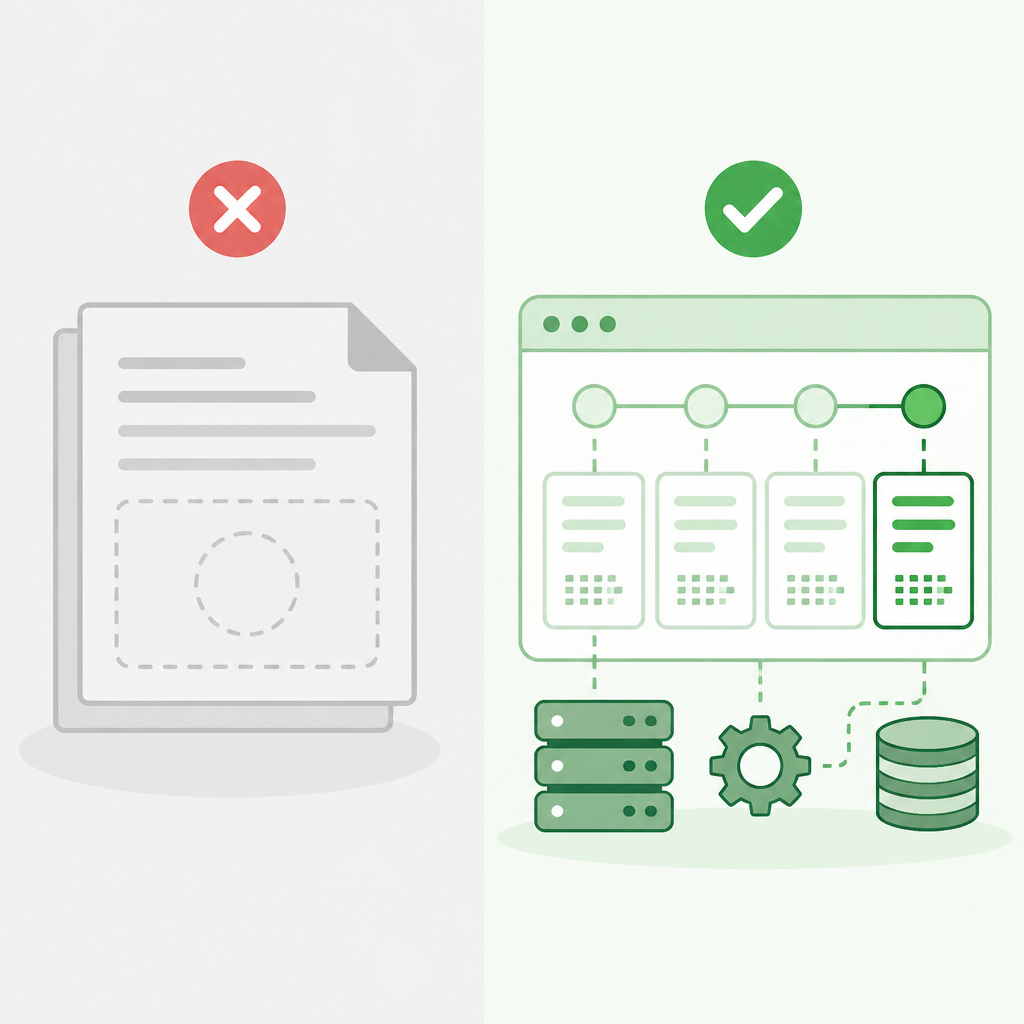
Braintrust’s collaboration story is strong because it removes the translation layer. PMs can test variations in a playground, engineers can pull the winning configuration into code, and evaluation results stay attached to the same artifact. That matters more than it sounds. A team that can comment on a specific prompt version and see the same quality data is a team that can move faster without creating confusion. Shared context is not a convenience. It is how prompt development becomes repeatable.
The counter-argument
The best objection is cost and complexity. Smaller teams do not need a full prompt platform on day one. If they have only a few prompts, a lightweight history in Git or a database can feel sufficient. Managed platforms also introduce another vendor, another billing line, and another system to learn. For teams still finding product-market fit, that overhead is real.
There is also a legitimate flexibility concern. Highly opinionated tools can fit common deployment patterns well and still frustrate unusual workflows. If a team needs custom routing, unusual model chains, or a deeply bespoke release process, a narrow versioning product can become a constraint. The counter-argument is not wrong. Basic tracking is enough for prototypes, and some teams will outgrow simple workflows in different directions.
But that objection stops at the prototype stage. The Braintrust article is aimed at production teams, and production changes the standard. Once prompts affect live users, the cost of a bad edit exceeds the cost of proper infrastructure. The right trade-off is not “simple versus fancy.” It is “controlled release versus repeated firefighting.” If a team cannot roll back, cannot compare versions, and cannot test safely before production, it is already paying for complexity. It is just paying in incidents instead of tools.
What to do with this
If you are an engineer, stop treating prompts as editable text and start treating them as deployed artifacts with versions, environments, and evaluation gates. If you are a PM, insist on a shared workspace where you can review prompt changes against real metrics instead of approving wording in a doc that drifts by the time it ships. If you are a founder, choose a system that shortens the path from idea to safe production rollout. The winning setup is the one that lets your team test, compare, promote, and roll back without handoffs.
// Related Articles
- [TOOLS]
Baidu Wenxin turns search into a free agent
- [TOOLS]
OpenCode now supports DeepSeek, GLM, Qwen, GPT
- [TOOLS]
DeepSeek in Codex Will Cut AI Coding Costs Hard
- [TOOLS]
Token vs. word: why Chinese tokenization still matters
- [TOOLS]
OpenAI API Pricing Hits $0.05 to $180/M Tokens
- [TOOLS]
Usage limits belong in ChatGPT Enterprise and Edu controls