Tema’s SemiAnalysis ETF plan targets AI chip exposure
8 planned ETFs will use SemiAnalysis research to target the AI chip supply chain beyond plain index funds.

Tema and SemiAnalysis are building eight research-driven ETFs for AI chip exposure.
Tema’s deal with SemiAnalysis is a bet that semiconductor ETFs can win investors by being more specific, more research-led, and more tied to AI infrastructure. The pitch lands in a market where semiconductor ETFs already manage more than $350 billion in assets.
1. Eight ETFs, not one broad fund
Get the latest AI news in your inbox
Weekly picks of model releases, tools, and deep dives — no spam, unsubscribe anytime.
No spam. Unsubscribe at any time.
Tema said the partnership will produce eight specialized ETFs that span the semiconductor supply chain. That matters because most current funds in the category still bundle the sector into broad, market-cap-weighted baskets.

Instead of treating chips as one trade, the planned lineup is meant to separate parts of the value chain and give investors more precise exposure. That can help buyers choose between chip designers, manufacturers, and the infrastructure that supports AI workloads.
- Theme: AI infrastructure and semiconductors
- Structure: eight specialized ETFs
- Goal: more targeted exposure than passive index funds
2. SemiAnalysis’ research edge
The core of the announcement is not just product count, but the research behind it. Tema said SemiAnalysis will inform the investment strategies with proprietary work covering AI, semiconductors, cloud infrastructure, and data centers.
That gives the ETFs a research overlay that can shape holdings around industry relationships and spending patterns, rather than only using index rules. For investors, the appeal is a fund family built around a specialist’s view of where AI capital spending is flowing.
- Research areas: AI, semiconductors, cloud, data centers
- Approach: institutional-grade, research-driven strategy design
- Difference from index funds: active thematic construction
3. A play for the crowded semiconductor ETF market
Tema is entering a category that is already large and competitive. With more than $350 billion in semiconductor ETF assets, issuers are under pressure to offer something that feels more precise than a standard chip benchmark.
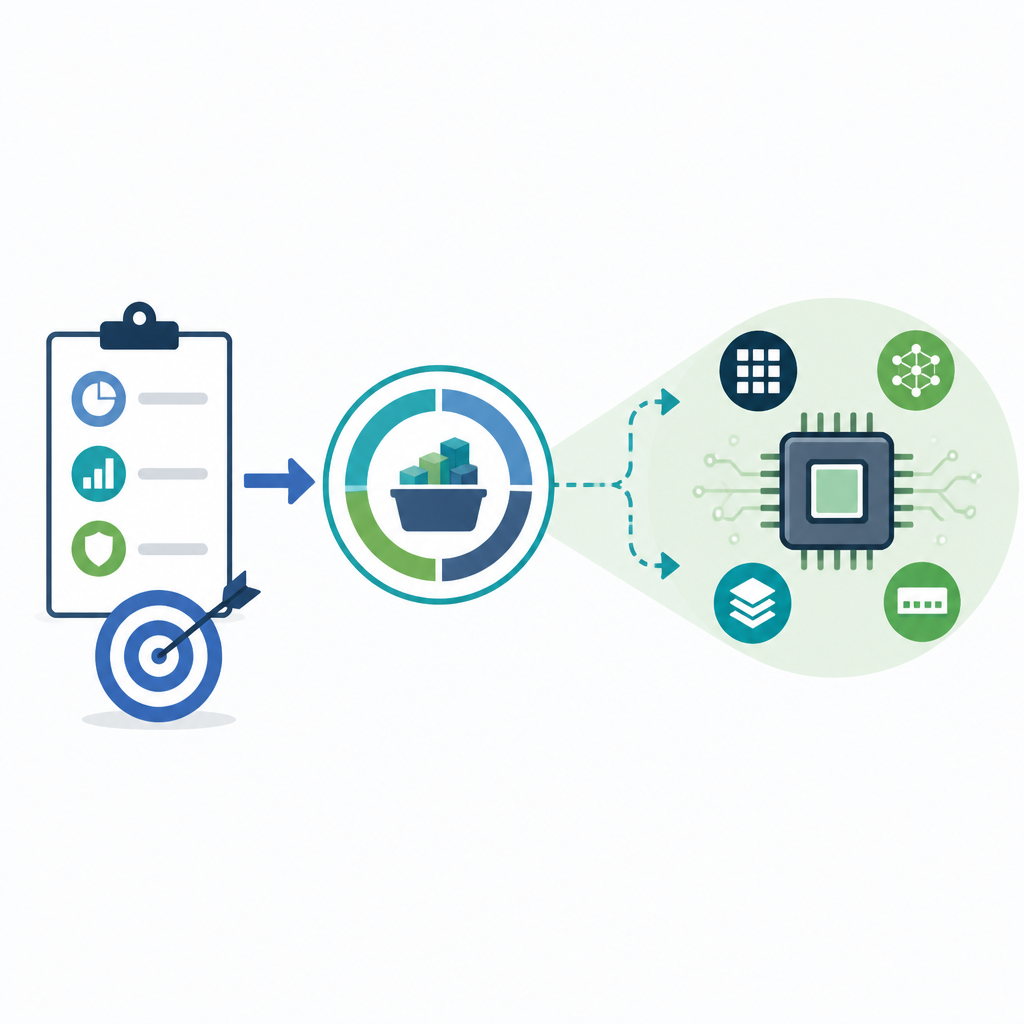
The article frames the move as part of a wider ETF trend: firms are teaming up with niche research shops and subject-matter experts to build differentiated products in fast-growing areas like AI and semiconductors. That is a direct response to investor demand for cleaner exposure to the AI buildout.
- Market size: over $350 billion in semiconductor ETF assets
- Main competition: passive index-tracking funds
- Investor demand driver: AI infrastructure spending
4. AI infrastructure is the real hook
The timing reflects where money is going across tech. Semiconductor companies remain central to generative AI, hyperscale data centers, and advanced computing infrastructure, so ETF issuers are trying to package that demand into products investors can buy in one trade.
Tema’s move suggests the next wave of chip ETFs may be built less around generic sector exposure and more around the full stack of AI hardware and the systems that support it. That includes chipmakers, cloud plumbing, and the data-center buildout that powers model training and inference.
Potential focus areas mentioned in the story:
- chipmakers
- data centers
- cloud computing
- semiconductor supply chain
5. SemiAnalysis is gaining market influence
The partnership also highlights how much influence SemiAnalysis has built inside the AI and semiconductor conversation. Nvidia CEO Jensen Huang publicly referenced its analysis at Nvidia’s 2026 developer conference, and Microsoft CEO Satya Nadella recently hosted founder Dylan Patel for an interview on AGI strategy.
That visibility matters because ETF issuers want research partners with credibility in the exact themes their products will track. If investors trust the research source, they may be more willing to trust the fund design that comes from it.
- Public recognition from Jensen Huang
- Interview spotlight from Satya Nadella
- Founder: Dylan Patel
How to decide
If you want broad, low-maintenance semiconductor exposure, a plain index ETF may still be the simpler choice. If you want a fund built around AI infrastructure themes and a specialist research view, Tema’s planned lineup is aimed at that buyer.
For investors who care about where the AI spending cycle is heading, the key question is not whether semiconductors matter. It is whether you want the whole sector, or a more selective slice shaped by SemiAnalysis’ research.
// Related Articles
- [IND]
Grok 4.6 makes frontier AI cheaper for builders
- [IND]
Grok 4.6 matches top models as SpaceX eyes worker data
- [IND]
Wall Street Should Put Real Assets On Blockchains, Not Just Pilot Them
- [IND]
WorkBuddy Skills: 5 picks that fit real office work
- [IND]
GLM-5.3’s coding gains came from post-training
- [IND]
Anthropic’s data center push now has big capital backing