Why Anthropic’s Claude Mythos access scare proves frontier AI is not …
Anthropic should treat the Claude Mythos access claim as a warning that frontier AI models are too dangerous to circulate through vendor chains without far tighter controls.

Anthropic should stop treating frontier AI access as a partner-management problem and start treating it as a containment problem.
The BBC’s report on a claim that users in a private forum accessed Claude Mythos through a third-party vendor environment is not just another security hiccup. It shows the core weakness in the current model: once a powerful system is shared beyond the builder’s direct control, the security boundary becomes a chain of contractors, permissions, and trust assumptions that most organizations do not actually control. Anthropic says it has no evidence its own systems were affected, and that matters. But the fact pattern still points to the same conclusion. If a model is too powerful to release publicly, then distributing it through vendor environments, private forums, and customer access programs is exactly the kind of arrangement that will leak capability.
First argument: access control fails at the edges, not the center
Get the latest AI news in your inbox
Weekly picks of model releases, tools, and deep dives — no spam, unsubscribe anytime.
No spam. Unsubscribe at any time.
The most important detail in the BBC report is not that the model was allegedly accessed, but how. The claim centers on a third-party vendor environment, and Bloomberg’s reporting says the person involved already had permission to view Anthropic’s AI models through work for a contractor. That is the classic shape of modern security failure: no dramatic breach, just access that was technically allowed somewhere in the chain and then used outside its intended purpose. This is why frontier model distribution through indirect environments is brittle. The company can harden its own systems and still lose control at the contractor layer.
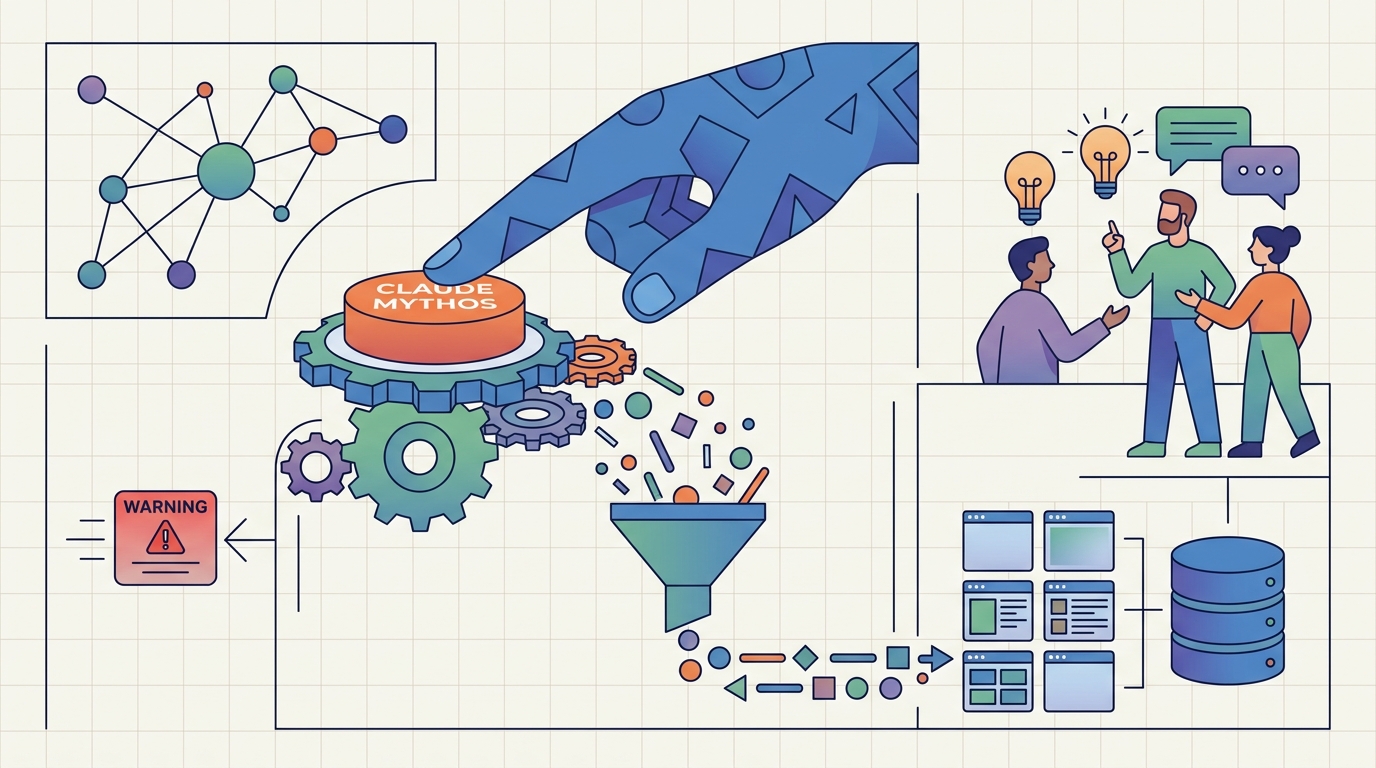
We have seen this pattern before in cloud security, identity management, and enterprise data leaks. The failure is rarely the main system. It is the adjacent system, the forgotten account, the overbroad role, the vendor with stale permissions. Anthropic is not unique here, but the stakes are higher because the asset is not a spreadsheet or a customer list. It is a cyber-capable model that the company itself says is too powerful for public release. If a tool can help discover or exploit vulnerabilities at scale, then every extra hop in the access path multiplies the risk. The lesson is simple: if a model must be tightly controlled, then access should be direct, minimal, logged, and revocable, not mediated by a loose web of external environments.
Second argument: frontier AI changes the meaning of “misuse”
Anthropic and its defenders will call this a misuse issue rather than a hack, and that distinction matters. Raluca Saceanu of Smarttech247 described the incident as most likely “misuse of access rather than a classic hack,” which is exactly why the incident should worry everyone. A classic breach suggests a perimeter was broken. Misuse suggests the perimeter held, but the governance failed. That is worse in some ways because it means the security model assumes human behavior will remain disciplined under pressure, status, and curiosity. In practice, that assumption collapses quickly when a powerful tool is available inside a semi-trusted environment.
The BBC report also notes that the group reportedly used the model without carrying out hacking, because they did not want to be detected. That detail should not reassure anyone. It proves the model’s value is already understood by people outside its intended audience. Once a frontier AI system is circulating in the wild, even quietly, it becomes part of a capability market. People do not need to exploit it immediately for the damage to begin. Merely having access creates incentives to experiment, resell, hoard, and eventually abuse. In cyber, delayed misuse is still misuse. The risk is not only the first unauthorized prompt. It is the normalization of access to something that was supposed to be rare, controlled, and exceptional.
The counter-argument
The strongest case for Anthropic’s current approach is that controlled release is exactly how dangerous technologies get safer. The BBC notes that Anthropic has released Mythos to some tech and financial companies so they can help secure their systems against its reported ability to exploit vulnerabilities. That is a serious argument. Frontier models are not only offensive tools; they can also surface weaknesses, test defenses, and accelerate patching. The UK’s National Cyber Security Centre made a similar point at CyberUK, with Richard Horne arguing that AI can make systems safer if organizations focus on the basics and secure their fundamentals. On this view, broadening access inside trusted circles is not recklessness. It is the only practical way to learn how the model behaves in real environments.
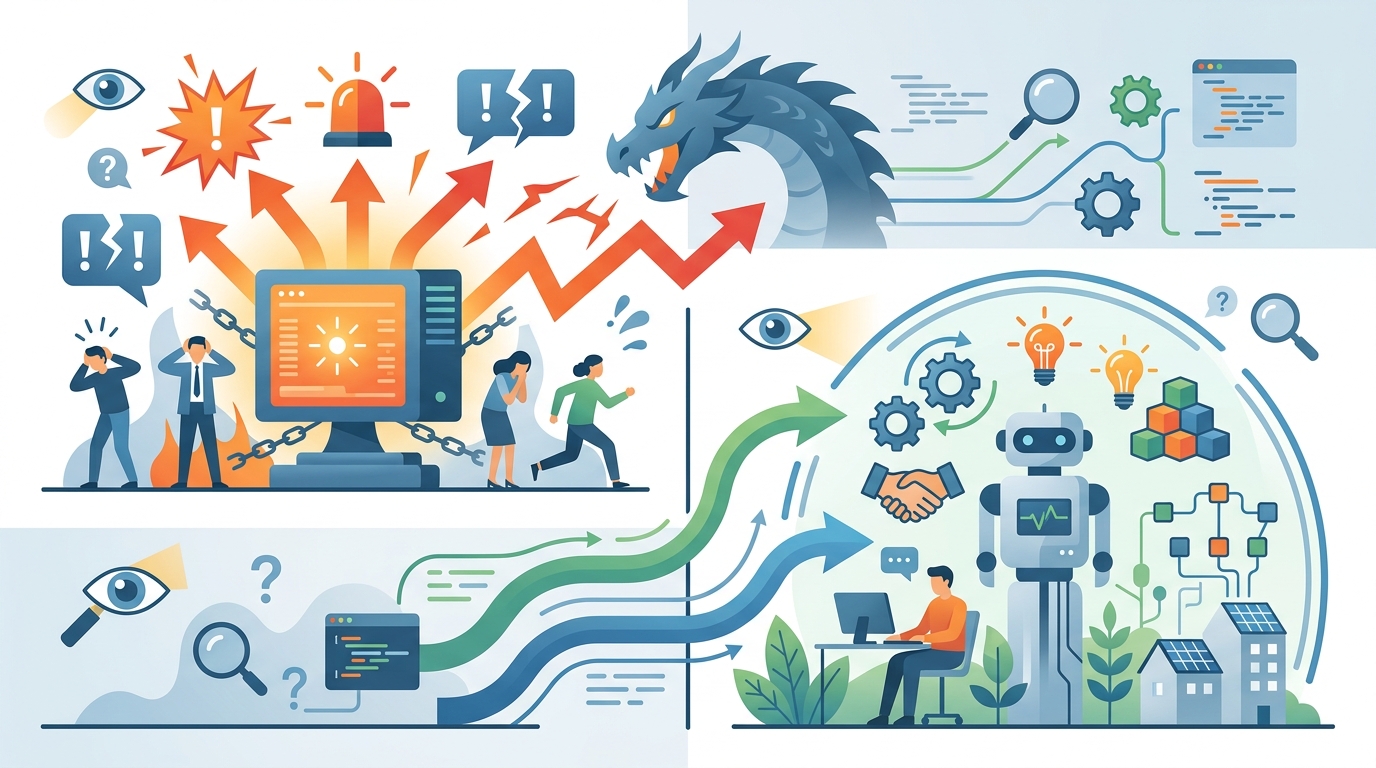
That argument is not wrong, but it is incomplete. Controlled access is defensible only if the control is real, narrow, and continuously audited. The BBC report suggests the opposite pressure: access via contractors, private forums, and vendor environments creates exactly the kind of boundary blur that frontier AI should avoid. Anthropic may be right that the model has not been compromised at the core. Still, if the release mechanism cannot prevent unauthorized viewing, then the release mechanism is part of the threat surface. The answer is not to abandon all testing or all partnerships. It is to stop pretending that a vendor chain is equivalent to a secure enclave.
What to do with this
If you are an engineer, treat access to frontier models like production credentials for a payment system: least privilege, short-lived permissions, mandatory logging, and no informal sharing through contractor workflows. If you are a PM, do not measure success by how many partners can see the model; measure it by how few people need access and how quickly you can revoke it. If you are a founder, stop assuming that “private” means safe. Build your launch plan around containment first, because the moment a model is powerful enough to worry governments and security teams, distribution becomes a security decision, not just a go-to-market one.
// Related Articles
- [IND]
Ethereum Launches Institution-Focused Nonprofit
- [IND]
Ethereum Institutional wins backing from Standard Chartered
- [IND]
AI Weekly: 2026-06-29 ~ 2026-07-06
- [IND]
Daily HuggingFace AI Papers keeps research moving
- [IND]
AI Companion Rules and App Rollbacks Explained
- [IND]
Meta’s $182.9B AI bet may need compute sales