Meta’s $182.9B AI bet may need compute sales
1 big AI split is emerging: infrastructure owners and model builders are separating, and Meta may try to monetize compute fast.

How can Meta turn a $182.9 billion AI infrastructure bet into cash?
Meta’s AI spending points to a split between compute owners and model builders.
1. Meta’s infrastructure-first bet
Get the latest AI news in your inbox
Weekly picks of model releases, tools, and deep dives — no spam, unsubscribe anytime.
No spam. Unsubscribe at any time.
Meta is pouring money into AI infrastructure at a scale that only makes sense if the company expects the hardware to do more than support its own products. The core idea is simple: if the company ends up with excess compute, it can try to sell that capacity and recover part of the bill.
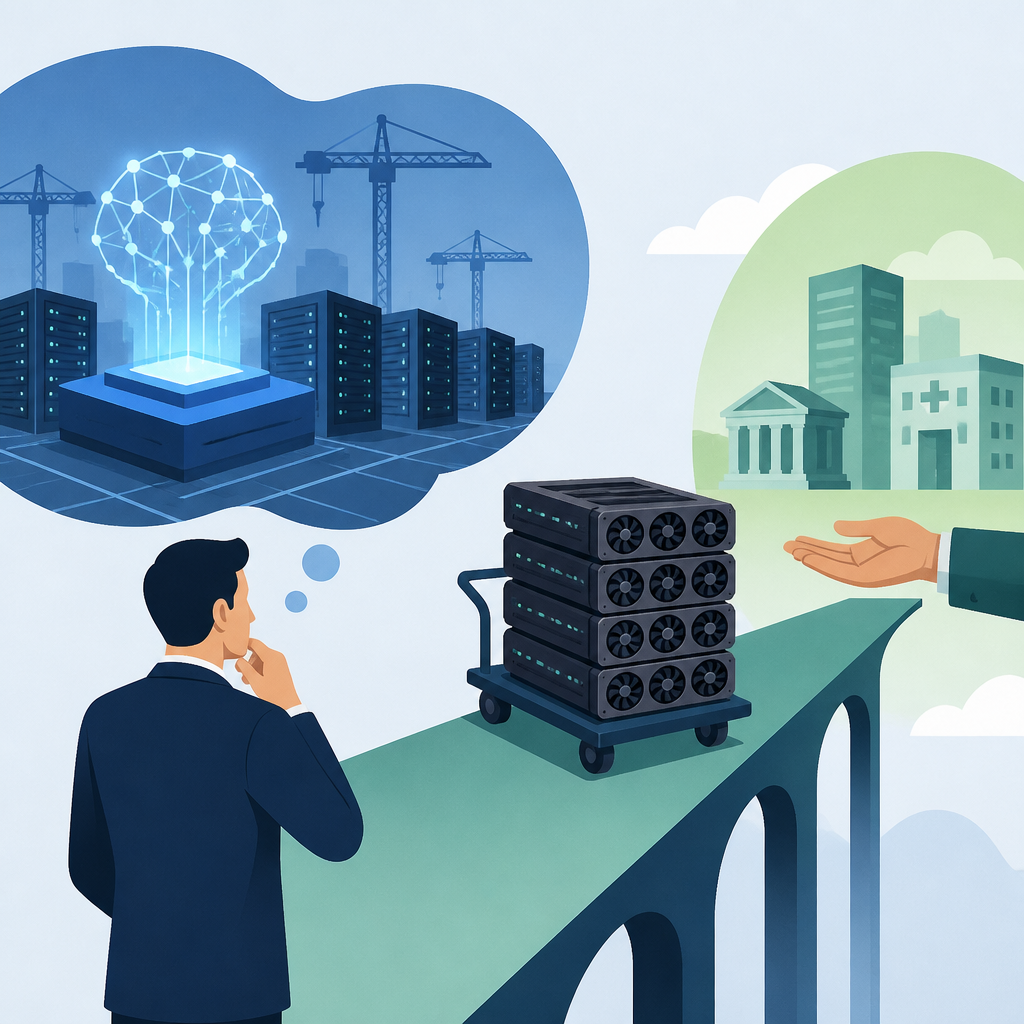
That matters because AI infrastructure is not a one-time asset purchase. GPUs, networking gear, power, and data center space all lose value quickly as newer chips arrive and model demands change. In this setup, the question is not whether Meta can build more compute, but whether it can keep that compute busy long enough to pay for itself.
- Large GPU clusters
- Data center power and cooling
- High-speed networking
- Shorter depreciation windows
2. OpenAI’s model-led path
OpenAI sits on the other side of the split. Its focus is model quality, product design, and user demand, not owning the physical stack from power feed to server rack. That makes it faster to ship software, but it also means it depends on outside infrastructure providers.
This model works best for teams that want to optimize the user experience and move quickly on product features. It is less about owning the compute and more about turning access to compute into a service people will pay for.
- Model training and inference
- Consumer and enterprise products
- No self-built data center footprint
- Reliance on external cloud or partners
3. Anthropic’s similar bet on product and model quality
Anthropic follows a similar direction. The company is focused on model behavior, safety, and product usefulness, not on becoming a data center operator. In practical terms, that means its value comes from what the model can do, not from owning the machines that run it.
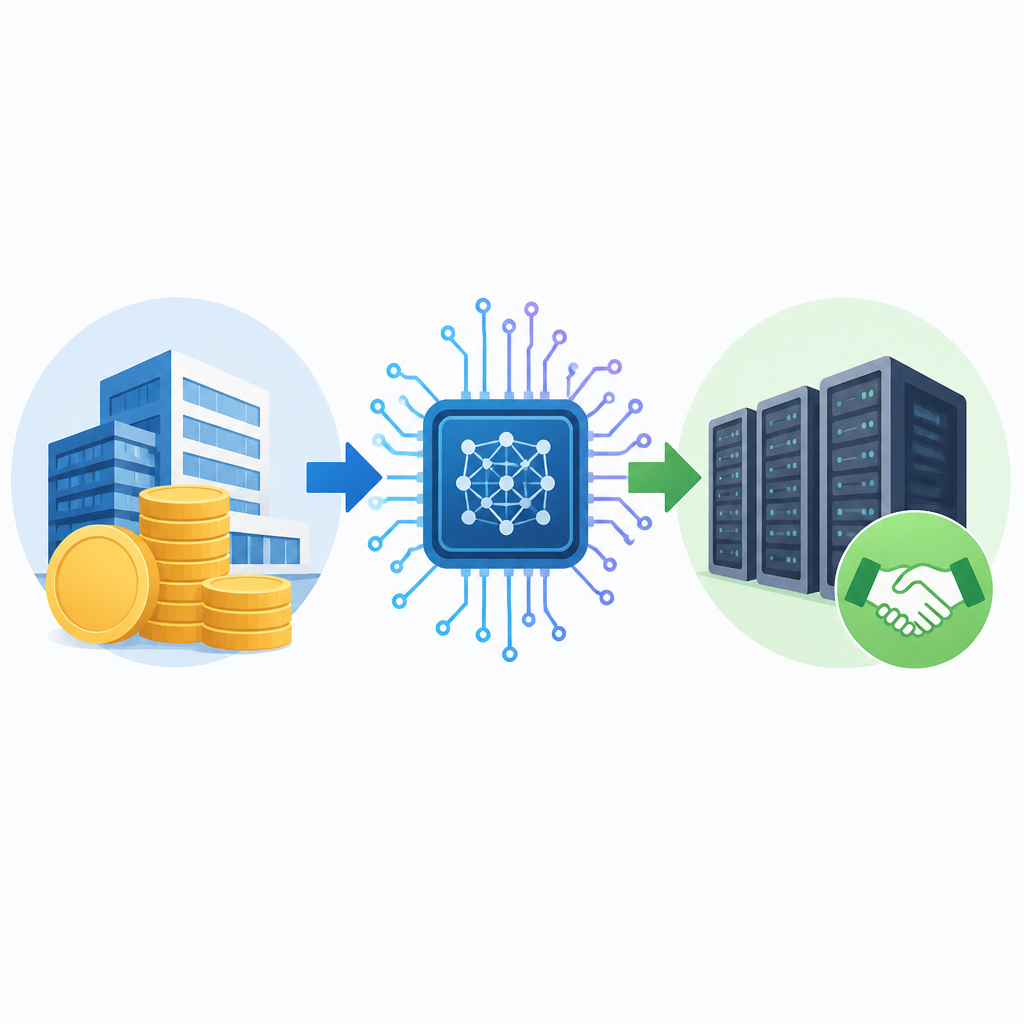
For readers trying to map the market, Anthropic shows why AI companies are splitting into two classes. One class builds and sells intelligence. The other class builds and sells the machinery that makes that intelligence possible.
- Safety and alignment work
- Model performance improvements
- Product experience focus
- Limited infrastructure ownership
4. Meta and SpaceX as compute-rich operators
Meta is not alone in owning massive compute capacity without a killer app at the application layer. Meta and SpaceX both have large infrastructure footprints, but their strategic problem is different from OpenAI’s or Anthropic’s. They already control a lot of hardware, so the pressure shifts to utilization.
That creates a business question that looks a lot like capacity management in cloud computing. If the company has more compute than its own internal teams need, it can either let the asset sit idle or try to commercialize it. The article’s argument is that Meta may be moving toward the second option.
- Heavy internal compute demand
- Potential excess capacity
- Need for monetization paths
- Pressure to keep hardware utilized
5. Why AI is not repeating the old cloud story
The comparison to AWS is useful, but only up to a point. AWS emerged from Amazon’s retail infrastructure, then became a business on its own. AI infrastructure can follow a similar path, but the timing is tighter because compute depreciates much faster than racks and fiber.
That shorter window changes the strategy. In the cloud era, infrastructure could mature into a durable platform. In AI, the window to monetize a chip cluster may be only two or three years before the economics shift again. That is why compute sales, not just internal use, may become part of the playbook.
AI infrastructure economics = fast capex + short useful life + urgent utilizationHow to decide
If you are tracking AI companies, the key question is whether they own the compute layer or rent it. Companies like OpenAI and Anthropic are betting on model quality and product pull. Companies like Meta are betting that infrastructure scale can become a business in its own right.
For investors and operators, the right choice depends on what you want to optimize. If you want speed and product focus, the model-first path is cleaner. If you want asset control and possible compute resale, the infrastructure-first path offers more options, but also more depreciation risk.
// Related Articles
- [IND]
AI Weekly: 2026-06-29 ~ 2026-07-06
- [IND]
Daily HuggingFace AI Papers keeps research moving
- [IND]
AI Companion Rules and App Rollbacks Explained
- [IND]
DSpark vs MTP methods in one clear comparison
- [IND]
What China’s AI unicorns are saying in 2026
- [IND]
Pinecone, Milvus, and 3 rivals that power AI search