Why MiniMax M3 matters more than another long-context model
MiniMax M3 is a real step forward because it pairs long context with multimodal and agentic control.

MiniMax M3 matters because it combines long context, multimodal input, and agentic control in one model.
MiniMax M3 is not just another entry in the long-context arms race; it is a concrete sign that the market now values models that can read, see, act, and keep state across an entire workflow. MiniMax says M3 uses a new MSA architecture, supports up to 1M tokens of context, accepts images and video, and can operate a computer desktop. That combination matters because it moves the product conversation away from benchmark theater and toward systems that can actually finish work.
Long context is only useful when it stays operational
Get the latest AI news in your inbox
Weekly picks of model releases, tools, and deep dives — no spam, unsubscribe anytime.
No spam. Unsubscribe at any time.
A 1M-token window is not impressive because it is large. It matters because it turns a model into something closer to a persistent work surface. For engineering teams, that means a single session can hold a codebase slice, logs, design notes, and prior decisions without constant truncation. When a model can retain that much state, it stops being a chat toy and starts acting like a session-aware assistant.
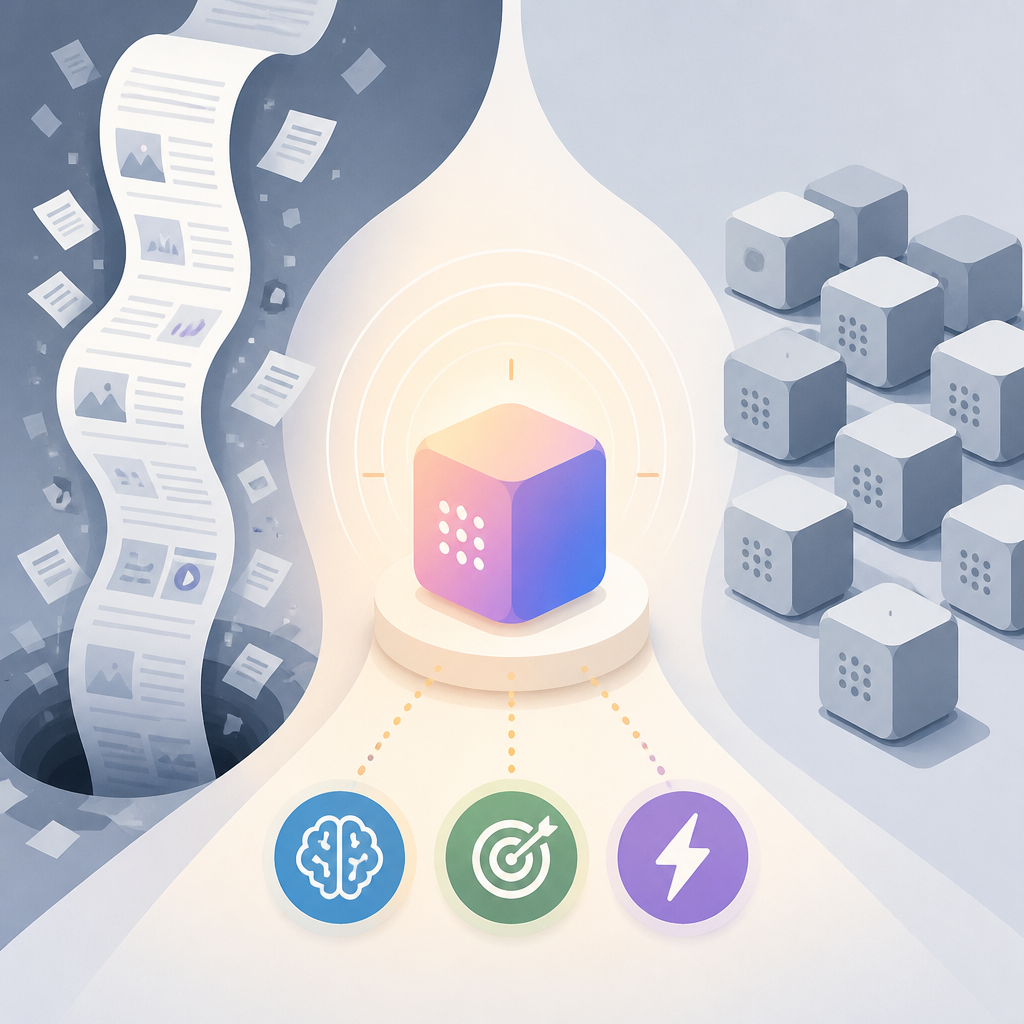
The practical difference shows up in debugging and code review. A model that can ingest a full repo segment, related tickets, and screenshots can trace a failure across layers instead of guessing from a few pasted snippets. That is where long context earns its keep. Without that, the model forgets the very evidence it needs to be useful. With it, the model can maintain continuity across the whole task.
Multimodal input is the bridge from text to work
Text-only systems hit a ceiling the moment the task leaves the terminal. MiniMax M3 accepts images and video, which means it can reason over UI states, walkthroughs, product demos, and visual bugs. That is not a cosmetic upgrade. It is the difference between asking a model to describe work and asking it to participate in work.
The inclusion of desktop operation makes that point sharper. If a model can inspect a screen and take actions in a computer environment, then the model is no longer confined to generating instructions for a human to execute. It can help close the loop. That matters for support, QA, onboarding, and repetitive internal operations, where the bottleneck is often not intelligence but interface handling.
Agent capability is the real product, not the model card
MiniMax also launched MiniMax Code alongside the model, and that pairing reveals the real strategy. The model is the engine, but the agent is the product people will pay attention to. In practice, users do not want raw logits or abstract capability claims. They want a system that can take a task, inspect context, and produce a result with fewer handoffs.
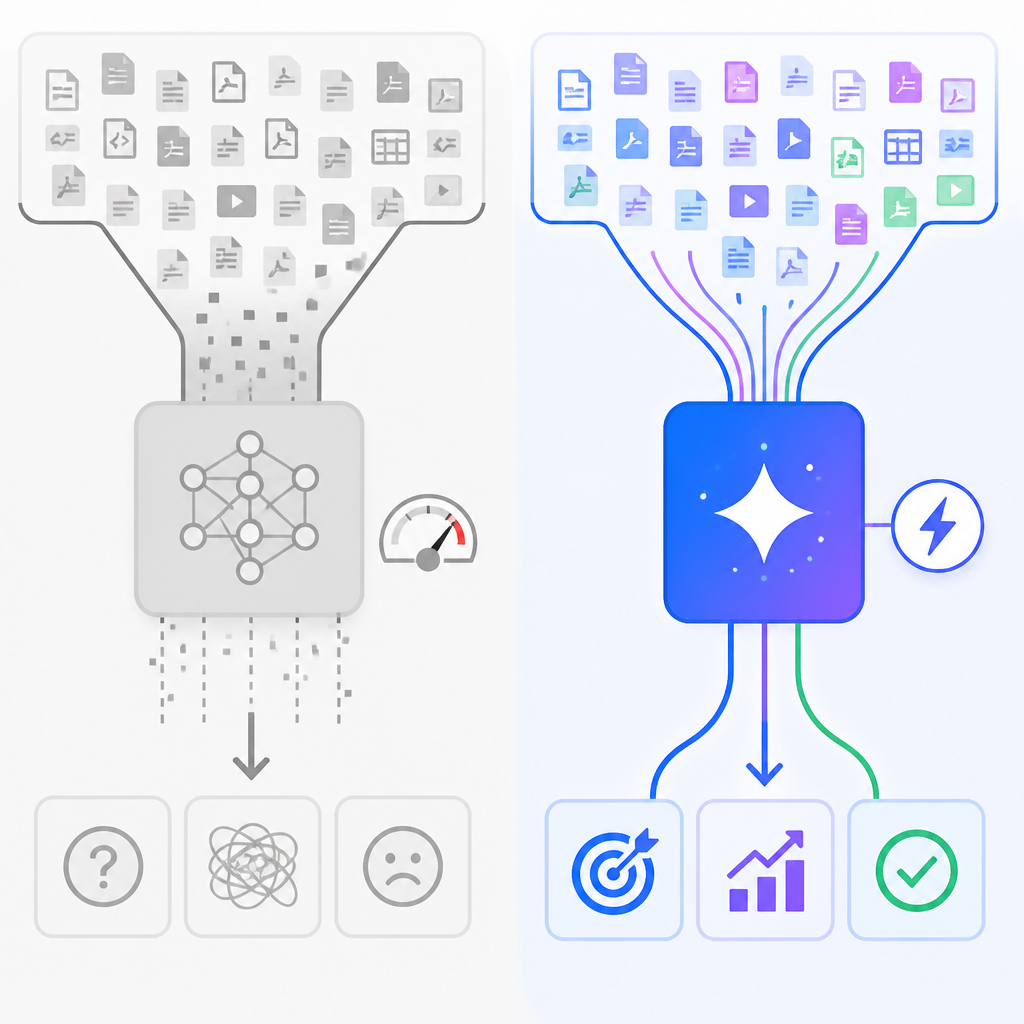
This is why the open API matters more than the announcement post. An API makes the model testable inside real pipelines, where latency, reliability, tool use, and failure recovery decide whether a capability is real. A model that can write code in a demo but cannot survive a production workflow is not a breakthrough. A model that slots into an agent stack and remains useful under load is.
The counter-argument
The skeptical view is straightforward: long context is often wasted, multimodal demos are easy to stage, and agent claims routinely collapse under real-world complexity. There is truth in that. Many models advertise giant windows but still degrade when the prompt gets dense. Many agent products look competent in controlled demos and brittle in messy environments. And an announced open-weight plan is not the same thing as a released model.
That critique is valid as a warning, but it does not erase the significance of M3. The reason is simple: MiniMax is bundling three capabilities that usually arrive separately. Long context alone is not enough. Multimodality alone is not enough. Agent control alone is not enough. Put together, they create a system that is meaningfully closer to a usable digital worker than a standard chatbot. If the model underperforms, that will show up quickly through the API and the agent product. If it performs, the market will feel the difference immediately.
What to do with this
Engineers should test M3 against a real workflow, not a benchmark prompt. Feed it a codebase slice, a screenshot, a bug report, and a task that requires tool use. Measure whether it retains state, follows instructions, and recovers from errors. PMs should map it to one narrow job first, such as support triage or UI debugging, and define success in terms of reduced human handoffs. Founders should treat this release as a signal to build products around agent reliability, not just model access, because the winner will be the team that turns multimodal context into repeatable execution.
// Related Articles
- [MODEL]
Opus 5 lets you ship with fewer refusals
- [MODEL]
Claude Opus 5 undercuts Fable 5 on price
- [MODEL]
OpenAI model catalog adds GPT-5.6 pricing tiers
- [MODEL]
Gemini 3.6 Flash proves Google is betting on efficiency over hype
- [MODEL]
Kimi K3 handles an 820k-line Rust codebase
- [MODEL]
GPT-5.6 arrives in three variants with lower token costs