Why OpenClaw and Lakehouse should meet in chat
OpenClaw-style agents should control data platforms through chat, not dashboards.

OpenClaw-style agents should control data platforms through chat, not dashboards.
I think the move from dashboards to chat is the right direction for data work, and ClickZetta’s OpenClaw skill is a strong example of why. When a user can ask for schema inspection, failed-task diagnosis, or a new sync job in plain language, the friction of moving between BI tools, SQL editors, and ops consoles drops fast. That matters because most data teams spend their time on repetitive coordination, not novel analysis.
First argument: the interface to data work is too fragmented
Get the latest AI news in your inbox
Weekly picks of model releases, tools, and deep dives — no spam, unsubscribe anytime.
No spam. Unsubscribe at any time.
Data developers still bounce across too many surfaces. One tab for SQL, another for pipelines, another for logs, another for documentation, and then a separate approval path when something needs access or a fix. OpenClaw’s skill model attacks that fragmentation by turning platform actions into callable capabilities. The point is not novelty. The point is collapsing a workflow that already exists into a single conversation.
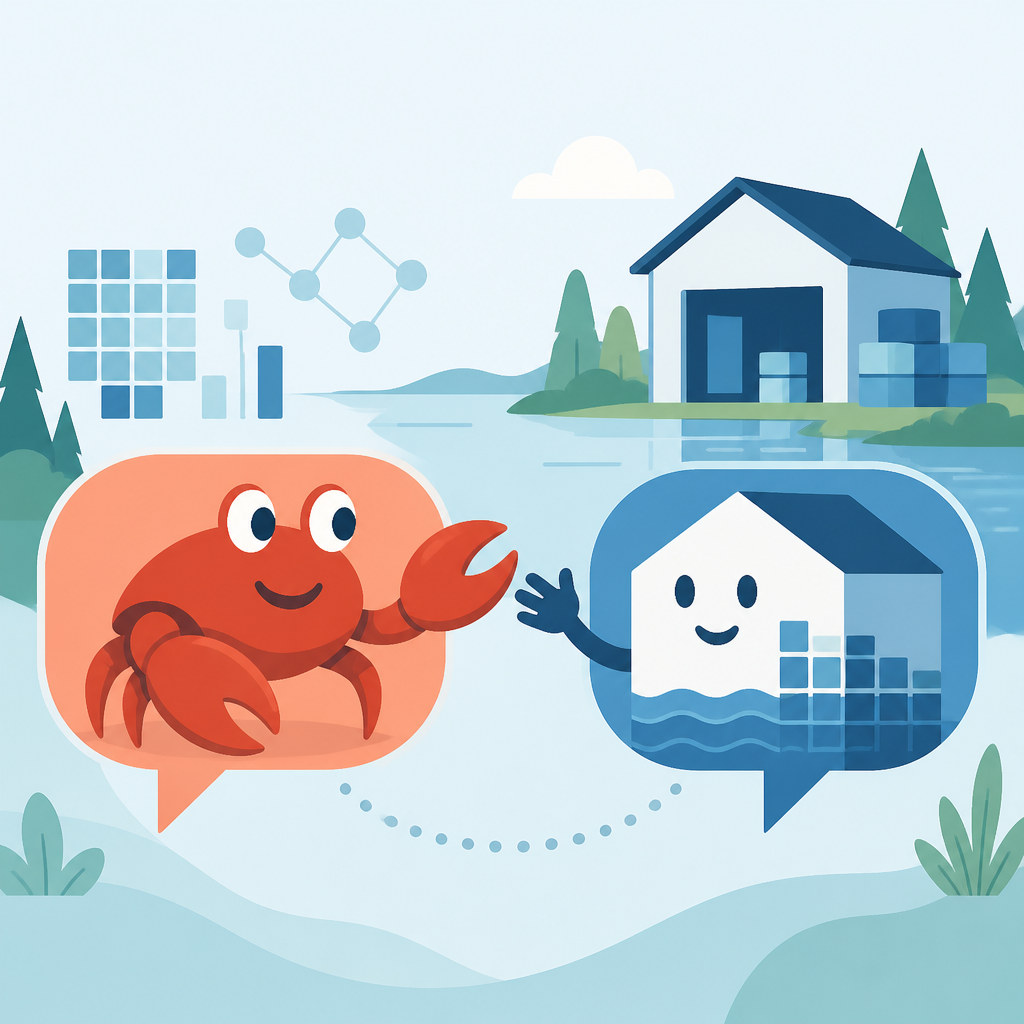
The ClickZetta studio-agent skill shows the practical version of that idea. It exposes lakehouse queries, task monitoring, integration setup, semantic views, and knowledge search through the same agent interface. A user can ask for the tables under a schema, inspect the first rows of a dataset, or diagnose a failed task without switching tools. That is not a cosmetic change. It is a reduction in context switching, and context switching is one of the biggest hidden costs in data engineering.
Second argument: the skill-market model is the real breakthrough
OpenClaw is not just a chatbot wrapper. Its ClawHub marketplace turns capabilities into modular add-ons, which is the part enterprises should care about. The article says ClawHub had more than 3,200 community-built skills by March 2026, spanning search, productivity, coding, automation, and social tools. That scale matters because it means the agent is not locked to one vendor workflow. It can grow into a general operating layer for work.
The MCP standard makes that growth credible. If skills are built on a shared protocol, then the same pattern can connect models to tools across vendors instead of forcing every integration to be custom. That is the difference between a demo and an ecosystem. ClickZetta’s studio-agent fits neatly into this model because it packages enterprise data operations as a skill rather than a one-off integration. Once the data platform becomes a skill, the agent can participate in real work instead of just answering questions about it.
The counter-argument
The strongest objection is security and control. Data platforms are not note apps. They contain credentials, production jobs, and business-critical data, so handing an agent the power to run SQL or create sync tasks sounds reckless. There is also a governance concern: natural language can hide intent, and a vague prompt can lead to an expensive or dangerous action. For many teams, the safer choice is to keep humans in the loop and preserve the old UI boundaries.
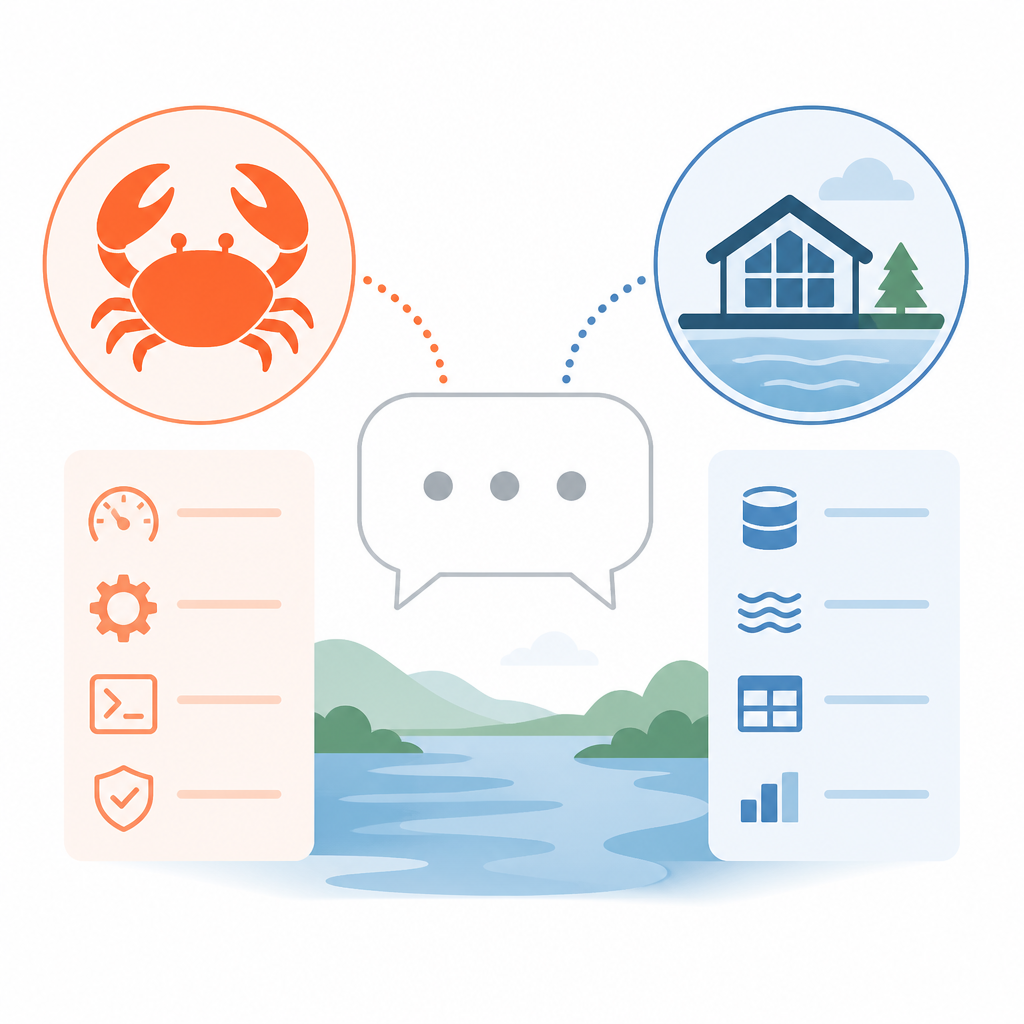
That objection is valid, but it does not defeat the model. The article already points to the right guardrails: token-based permission limits, environment-variable handling for secrets, and audit logs for every agent action. Those are not optional extras. They are the minimum conditions for using agentic control in production. The real mistake is assuming that a dashboard is inherently safer than a governed agent. A dashboard can still let a human click the wrong button. The difference is that an agent can be constrained, logged, and standardized in ways ad hoc manual work often is not.
What to do with this
If you are an engineer or data platform owner, stop treating chat as a demo layer and start treating it as an execution layer with strict permissions. Package your highest-frequency platform actions as skills, expose only the narrowest possible commands, and make audit logging non-negotiable. If your team cannot explain what an agent is allowed to do, your platform is not ready. If it can, then the conversational interface is not a gimmick. It is the fastest path to making data work usable at scale.
// Related Articles
- [IND]
Vector databases will reshape financial search, not replace core syst…
- [IND]
Milvus 3.0 adds lake-native vector search
- [IND]
Google’s Q2 2026 results prove AI spend is now the story
- [IND]
AI regulation in India is now a business risk
- [IND]
Europe should standardise the AI Act through harmonised technical rul…
- [IND]
AMD and Anthropic’s 2GW deal reshapes AI supply