AI in Crypto: agents, tokens, and use cases explained
A guide to AI in crypto, from autonomous agents and token models to DeFi tools, compute networks, and data marketplaces.

AI in crypto combines autonomous software, tokens, and blockchain tools.
Bitcoin Foundation published a guide on 26 June 2026 explaining how AI is being used across crypto trading, DeFi, wallets, and token networks. The piece breaks the category into agents, compute, data, and market tools, while warning that many projects still overstate what their AI actually does.
| 項目 | 數值 |
|---|---|
| Publication date | 26 June 2026 |
| Read time | 13 min |
| AI crypto shapes covered | 5 |
| Core AI crypto project types | 4 |
What changed
Get the latest AI news in your inbox
Weekly picks of model releases, tools, and deep dives — no spam, unsubscribe anytime.
No spam. Unsubscribe at any time.
The guide frames AI in crypto as more than trading bots. It says the category now includes software agents that can use wallets, interact with smart contracts, scan markets, and act on live data with varying levels of human approval.
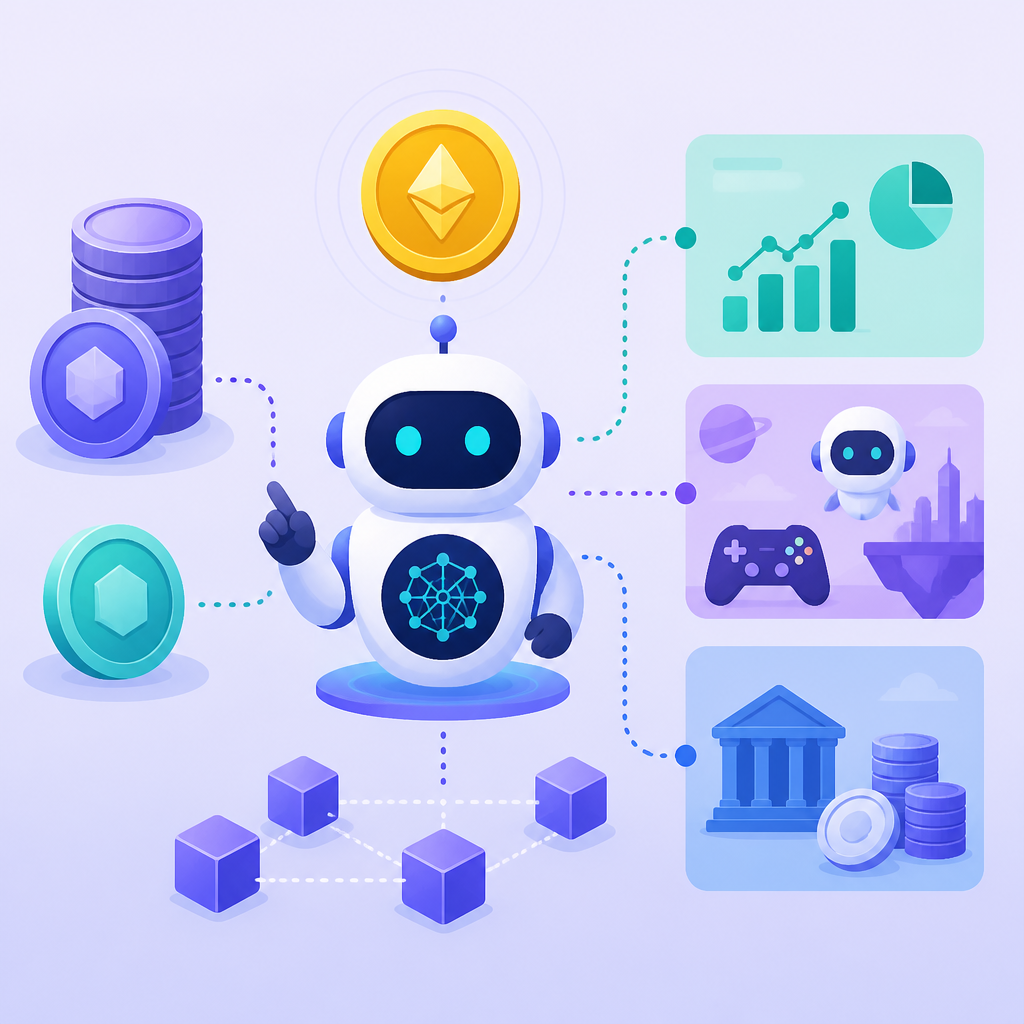
It also sorts the field into a few practical buckets:
- AI agents that write, reply, monitor, or trade
- AI tokens tied to compute, data, models, or networks
- Decentralized compute and GPU markets
- Data and model marketplaces built on token incentives
On the token side, the article says a project needs a clear job for its token, not just AI branding. It lists compute tokens, data tokens, agent tokens, network tokens, marketplace tokens, and governance tokens as the main models in play.
Why it matters
For developers, the useful part is the distinction between rules-based bots and context-aware agents. The article argues that agents can weigh wallet flows, market mood, protocol updates, and risk limits before acting, which makes them more flexible than simple automation scripts.
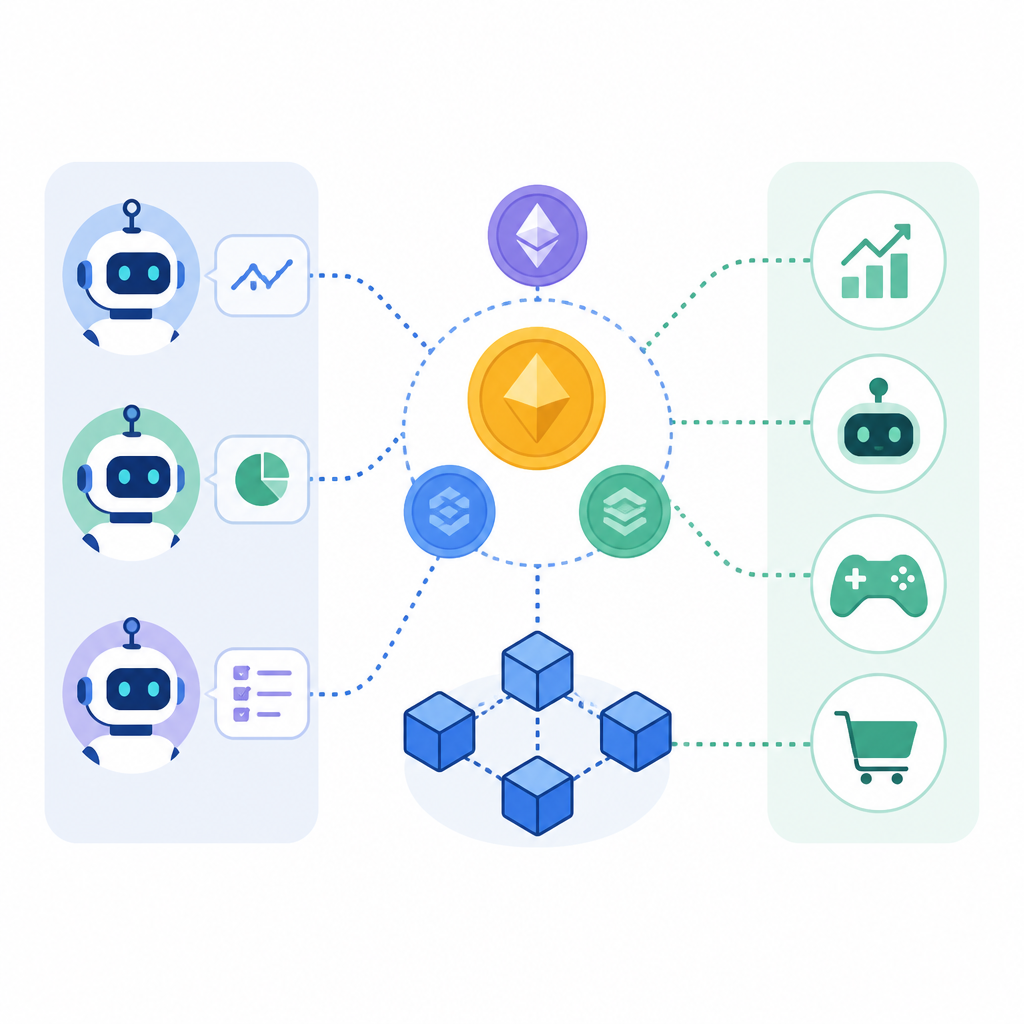
For the market, the big question is whether these systems do real work. The guide says many agent tokens and AI coins get attention first and utility later, so teams now have to prove that their products save time, reduce manual steps, or create a market that actually needs a token.
That matters in DeFi, where AI tools can help with yield routing, liquidation alerts, portfolio moves, staking tracking, and contract-risk checks. It also matters in compute and data markets, where open networks only work if they can reward useful output and protect users at the same time.
The takeaway is simple: AI in crypto is moving from a slogan to a set of specific product types, and the strongest projects will be the ones that can show a job, a workflow, and a reason for the token to exist.
// Related Articles
- [CHAIN]
Anthropic’s Riot deal shows AI compute now costs billions
- [CHAIN]
Bitcoin’s CLARITY Act now faces a 60-vote test
- [CHAIN]
Pepeto's DeFi push is a distraction from Ethereum's real upside
- [CHAIN]
AI agents will not save Web3; they will expose its weakest systems
- [CHAIN]
Panda AI launches Golden Presale for AI blockchain
- [CHAIN]
Layer 2 vs Layer 3: $38B TVL trade-off