Amazon’s AI push is creating internal duplication
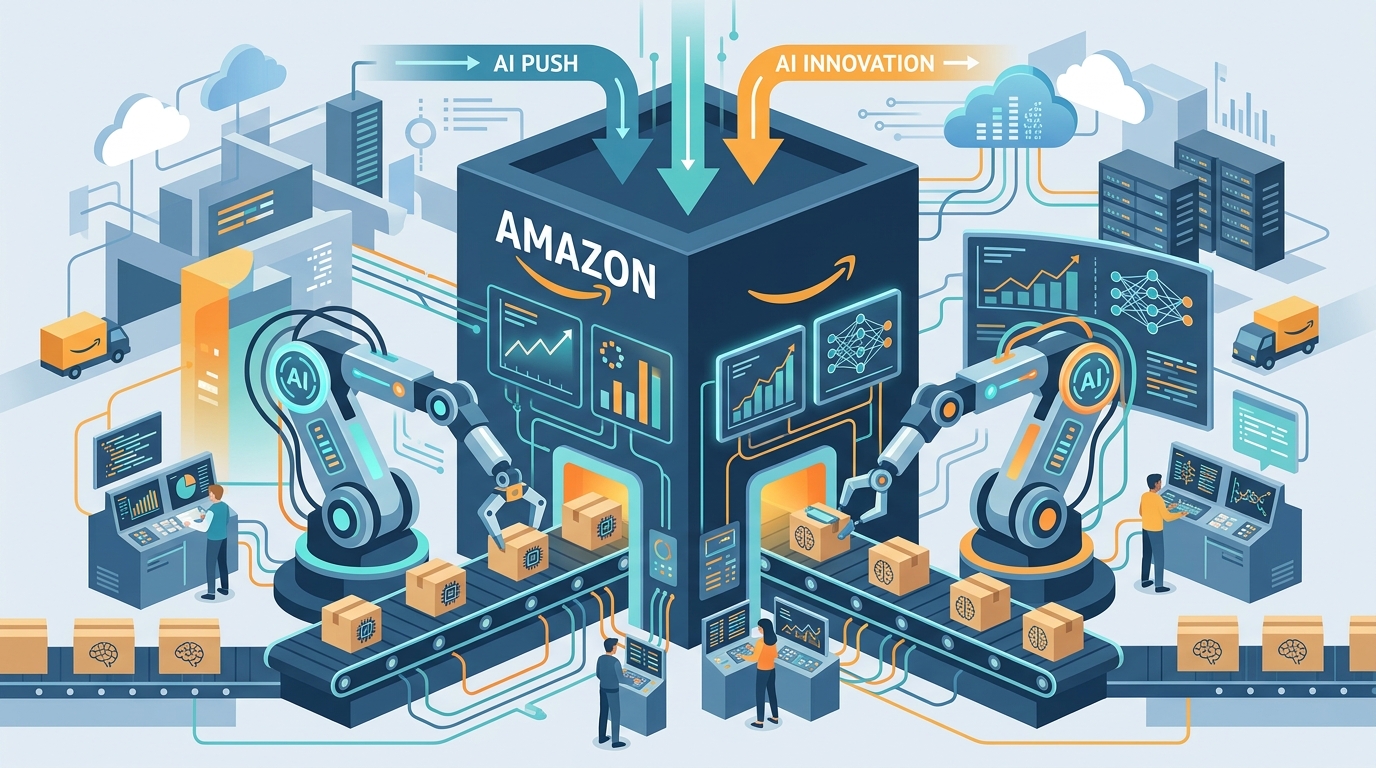
An internal Amazon memo says AI is speeding up duplicate tools, orphaned data, and overlapping systems across retail teams.

Amazon is discovering a very specific kind of AI headache: the faster teams build software, the faster internal duplication piles up. A February memo obtained by Business Insider says the company’s AI tools are creating more duplicate systems, while cleanup is falling behind.
The memo is blunt. “AI is making our tool duplication problem worse,” it says, adding that more duplication is being created faster and less of it is being cleaned up. That is a useful reminder that AI can speed up engineering without automatically improving engineering discipline.
What the memo says is going wrong
Get the latest AI news in your inbox
Weekly picks of model releases, tools, and deep dives — no spam, unsubscribe anytime.
No spam. Unsubscribe at any time.
The document came from a team that oversees AI tools across Amazon’s retail business. Its basic argument is simple: when engineers can spin up a working app in minutes, they are less likely to check whether a similar tool already exists.
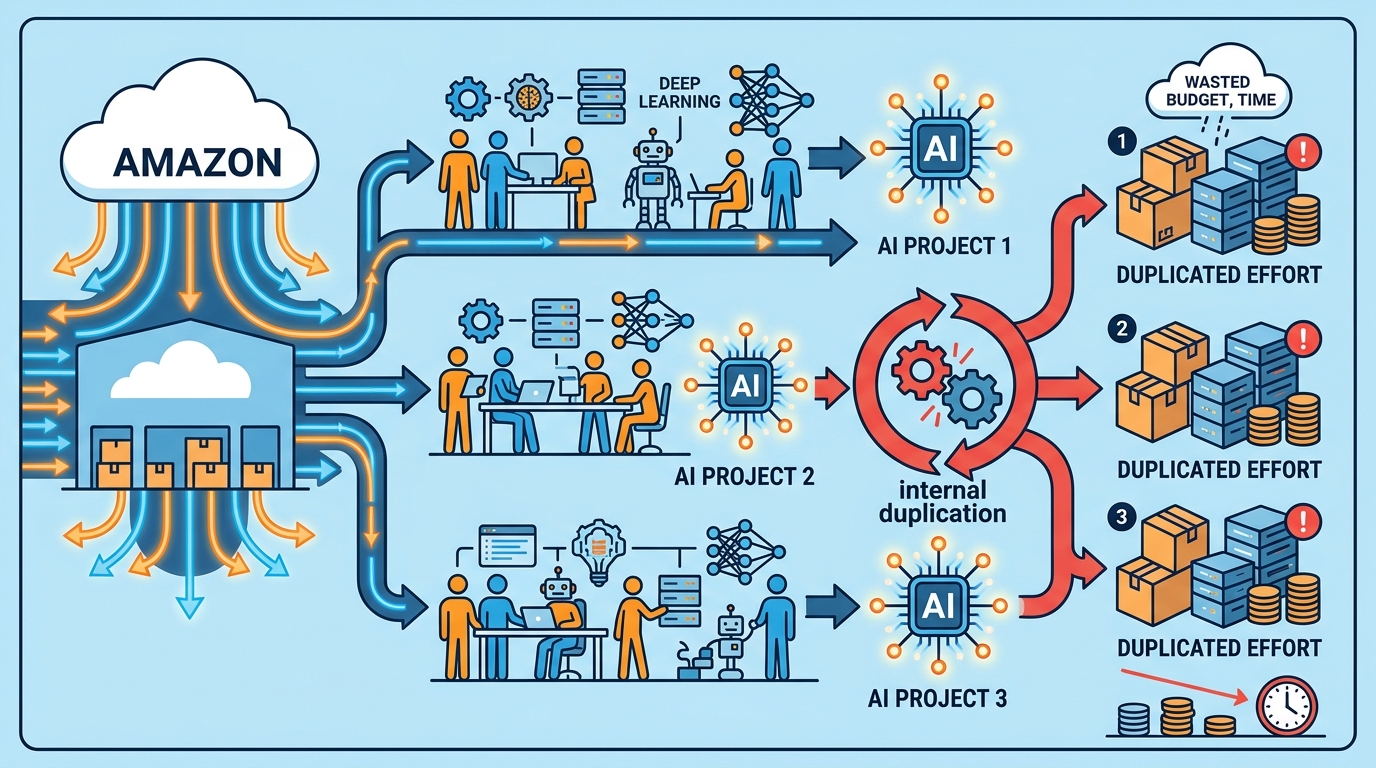
That behavior creates a familiar corporate problem, but AI makes it scale much faster. Instead of one team building one dashboard, several teams may build nearly identical dashboards, each with its own data feeds, permissions, and maintenance burden.
Amazon’s internal structure makes this worse. The company’s small-team model helps people move quickly, but it also makes coordination harder when thousands of engineers are building parallel systems.
- AI lowers the time needed to build internal tools from weeks to minutes
- Duplicate systems are being created faster than old ones are retired
- Decentralized teams make it harder to track overlapping work
- Internal cleanup is lagging behind AI-assisted development
That is a messy tradeoff, and it is not unique to Amazon. Any large company that lets every team build its own AI helper, search layer, or summary tool will eventually end up with a pile of overlapping products that nobody fully owns.
For readers following the broader AI-in-the-enterprise story, this fits a pattern we have covered before on OraCore.dev. See our recent coverage of internal AI tool sprawl in enterprise AI sprawl for a wider view of the same problem.
Data copies are becoming a second problem
The memo is worried about more than duplicate tools. It also flags a data issue that is harder to fix once it spreads: AI systems often create derived artifacts, such as summaries, indexes, and knowledge bases, that live separately from the original source.
That matters because if the source data is later deleted or made private, the copies may remain. In other words, a piece of information can disappear from the original system and still keep showing up in another tool that was built from it.
Business Insider reported one example involving a system called Spec Studio, which kept surfacing software details that had already been made private in Amazon’s internal code repository. The memo says “derived artifacts persist” after source data is restricted or removed.
“AI is making our tool duplication problem worse. More duplication is being created faster, and less of it is being cleaned up.”
That quote matters because it captures the real operational risk. This is not an abstract AI ethics debate. It is a practical issue about where internal data lives, who can see it, and whether old copies disappear when they should.
If you are building AI tools inside a company, this is the part to watch closely. A chatbot or search layer that quietly preserves stale internal data can create policy problems, security problems, and plain old confusion for employees who assume deleted data is actually gone.
How Amazon compares with other big tech shops
Amazon is not the only company dealing with AI-driven duplication, but its scale makes the issue especially visible. The company has more than 1.5 million employees worldwide, and even a small percentage of overlapping internal tools can turn into a large maintenance bill.
By comparison, Microsoft has spent heavily on enterprise AI integration across Microsoft 365 Copilot, while Google has pushed similar capabilities through
// Related Articles
- [IND]
CBDC Governance: Standards and Stakeholder Roles
- [IND]
Invisible AI watermarks are the right move for Claude
- [IND]
pgvector is enough for small datasets, not your default
- [IND]
OpenAI’s Astra pause shows safety now shapes model releases
- [IND]
Anthropic is building custom AI chips for Claude
- [IND]
Moka AI Is a Stronger HRMS Choice for Growing Teams