Anthropic’s MCP observability is the right move for real agent ops
Anthropic’s new MCP observability tools are the right move because agent platforms need tool-level debugging, not just chat metrics.

Anthropic’s new MCP observability tools are the right move because agent platforms need tool-level debugging, not just chat metrics.
Anthropic is right to put tool-level observability at the center of Claude’s MCP ecosystem, because once AI systems start calling external tools at scale, generic usage stats stop being useful.
The June 8 release adds a dashboard for published connectors that tracks active users, total tool calls, directory rank, composite health, latency, and overall error rate, plus per-tool failure breakdowns. That is the kind of telemetry developers need when a connector looks “fine” from the outside but one endpoint is silently failing under real traffic.
Tool-level telemetry is the only telemetry that matters for agents
Get the latest AI news in your inbox
Weekly picks of model releases, tools, and deep dives — no spam, unsubscribe anytime.
No spam. Unsubscribe at any time.
Agentic software does not fail like a chatbot. A chat model can look healthy while a downstream tool call times out, returns bad schema, or breaks only for one path in a multi-step workflow. Anthropic’s per-tool error reporting acknowledges that reality and gives developers a way to isolate the exact function that is causing the failure.
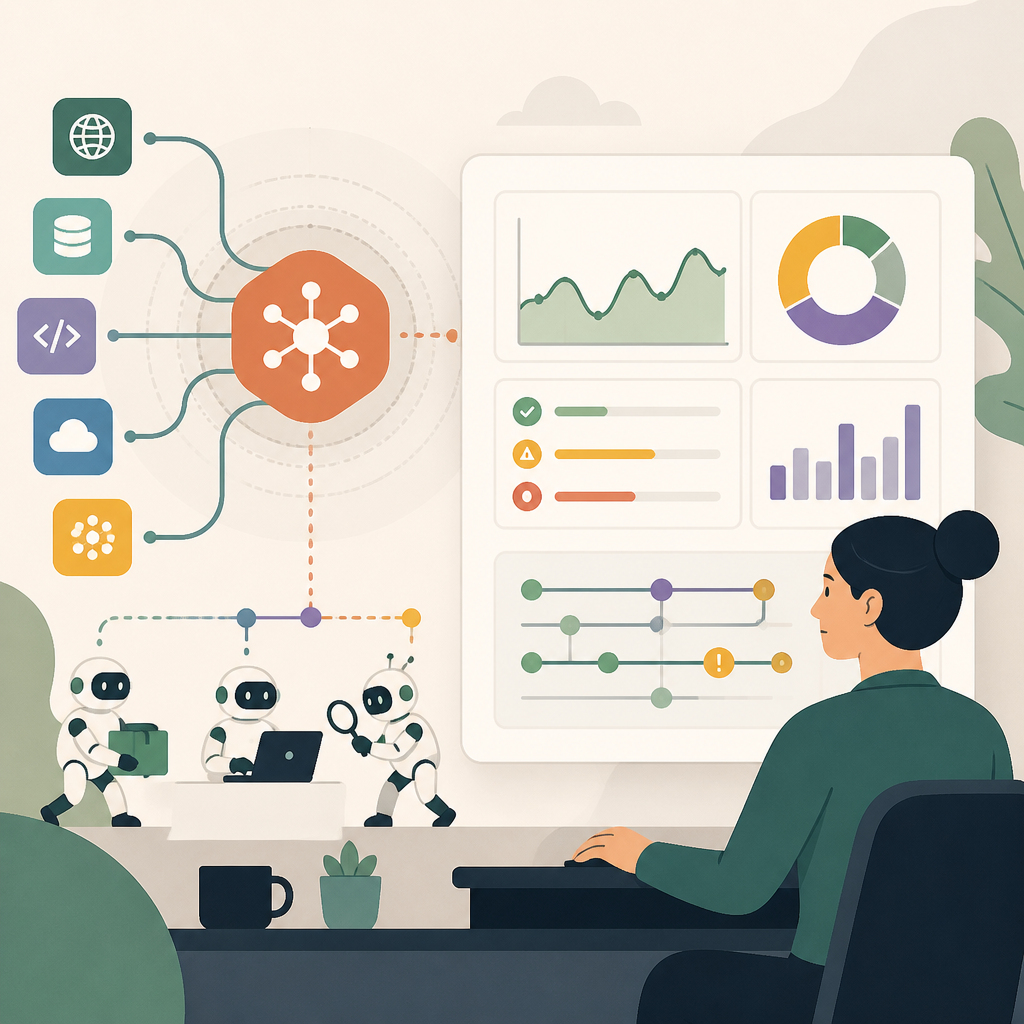
That matters more than vanity metrics because MCP connectors are not content surfaces. They are operational dependencies. If a connector powers search, ticket creation, database access, or deployment actions, then the difference between a 1% and 5% error rate is the difference between a useful automation and a liability. Raw usage counts do not tell you that; tool-level telemetry does.
Distribution and observability belong in the same product surface
Anthropic also made directory submission available in-app, which is the right product decision. Developers now have one place to publish a connector and inspect how it performs after users discover it. That closes the loop between launch, adoption, and iteration instead of forcing teams to stitch together separate workflows across docs, dashboards, and support channels.
The scale of the directory makes that choice even stronger. With more than 300 third-party connectors already listed and millions of users across the ecosystem, discovery without measurement would be a dead end. A connector that ranks well but degrades under load is not a successful integration; it is a future incident. By pairing submission with health data, Anthropic is signaling that connector quality is now part of product quality.
Surface segmentation is the missing layer most platforms ignore
The most useful part of the dashboard may be its breakdown across Claude, Claude Code, and Claude Cowork. That segmentation is not a nice-to-have. Different surfaces produce different usage patterns, and developers need to know whether a connector fails in a browser workflow, a CLI workflow, or a standard chat flow.
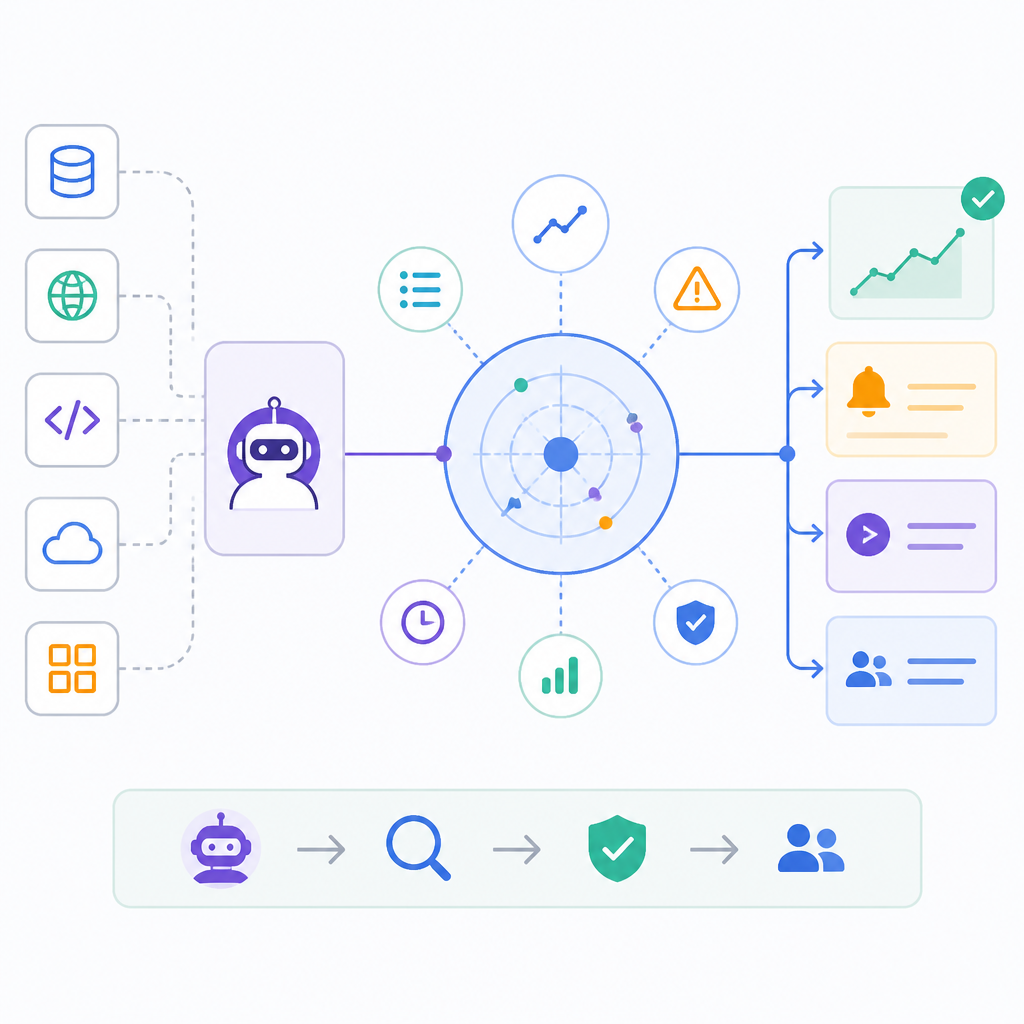
Consider the practical payoff: a connector that performs well in Claude chat may still choke in Claude Code because the CLI generates denser, more frequent tool sequences. Without surface-specific telemetry, teams chase the wrong bug. With it, they can tune schemas, rate limits, and backend latency for the actual environment where their tools are being used. That is how you build reliable agent infrastructure instead of guessing at it.
The counter-argument
The strongest objection is that this is platform control disguised as developer tooling. Anthropic owns the directory, the metrics, the access rules, and the visibility. Team and Enterprise customers get the dashboard; everyone else stays outside the fence. That creates dependence on one vendor’s definition of health and one vendor’s distribution path.
There is also a legitimate concern that observability can become a trap. If the platform defines the metrics, it can also shape incentives. Developers may optimize for directory rank, health score, or whatever the dashboard elevates, rather than for the real quality of the underlying tool. In the worst case, the platform becomes the arbiter of what “good” means.
That critique is valid as a warning, but it does not defeat the release. MCP connectors are already platform-dependent by design, and the failure mode of no observability is worse than the risk of vendor-shaped telemetry. A tool ecosystem without health data is blind; a tool ecosystem with opinionated health data is at least debuggable. The limit is clear: teams should treat Anthropic’s dashboard as one signal, not the only source of truth.
What to do with this
If you build MCP connectors, instrument your own backend with the same discipline Anthropic is now exposing in the product. Track per-tool latency, failure rates, and surface-specific usage, then compare those numbers against the platform dashboard before every release. If you are a PM or founder, stop treating connector distribution as a launch event and start treating it as an operations problem. The winners in agent platforms will be the teams that can see exactly where a tool breaks, how often it breaks, and which surface is breaking it first.
// Related Articles
- [IND]
Millions Raised for Zhipu-style Social World Model
- [IND]
Anthropic’s Book Scanning Strategy Could Set a Pattern
- [IND]
Huang’s open-letter playbook for open-weight AI
- [IND]
32 firms back open-weight AI in DC letter
- [IND]
Huang usa il suo primo post su X per difendere l’IA aperta
- [IND]
Black Duck’s Coverity gets better at AI-era triage