Government access orders should govern frontier model access
Anthropic’s model shutdown shows governments can and should block frontier AI access when national security is at stake.

Anthropic shut off Fable 5 and Mythos 5 after a U.S. export control order cited national security.
Anthropic did the right thing by disabling Fable 5 and Mythos 5 when the U.S. government ordered it to suspend access for foreign nationals. That is not a trivial compliance move. It is a reminder that frontier models are no longer just software products; they are dual-use systems with consequences that can extend beyond a vendor’s customer list. The company said the order arrived at 5:21 p.m. ET and applied to foreign nationals inside and outside the United States, including Anthropic employees. That is a blunt directive, but the bluntness is the point: when the state believes a model crosses into national security territory, access controls are now part of the product surface.
Frontier AI is already a national security object
Get the latest AI news in your inbox
Weekly picks of model releases, tools, and deep dives — no spam, unsubscribe anytime.
No spam. Unsubscribe at any time.
Anthropic’s own description of Fable 5 tells you why this matters. The company said the model was its first advanced public release with safeguards for high-risk areas, and it had previously limited Mythos 5 through Project Glasswing for a select group of companies. Those are not the markers of ordinary consumer software. They are the markers of a capability that can be used for offense, defense, and everything in between. Once a model can meaningfully improve cybersecurity, automate research, or assist in sensitive workflows, access policy becomes a security policy.
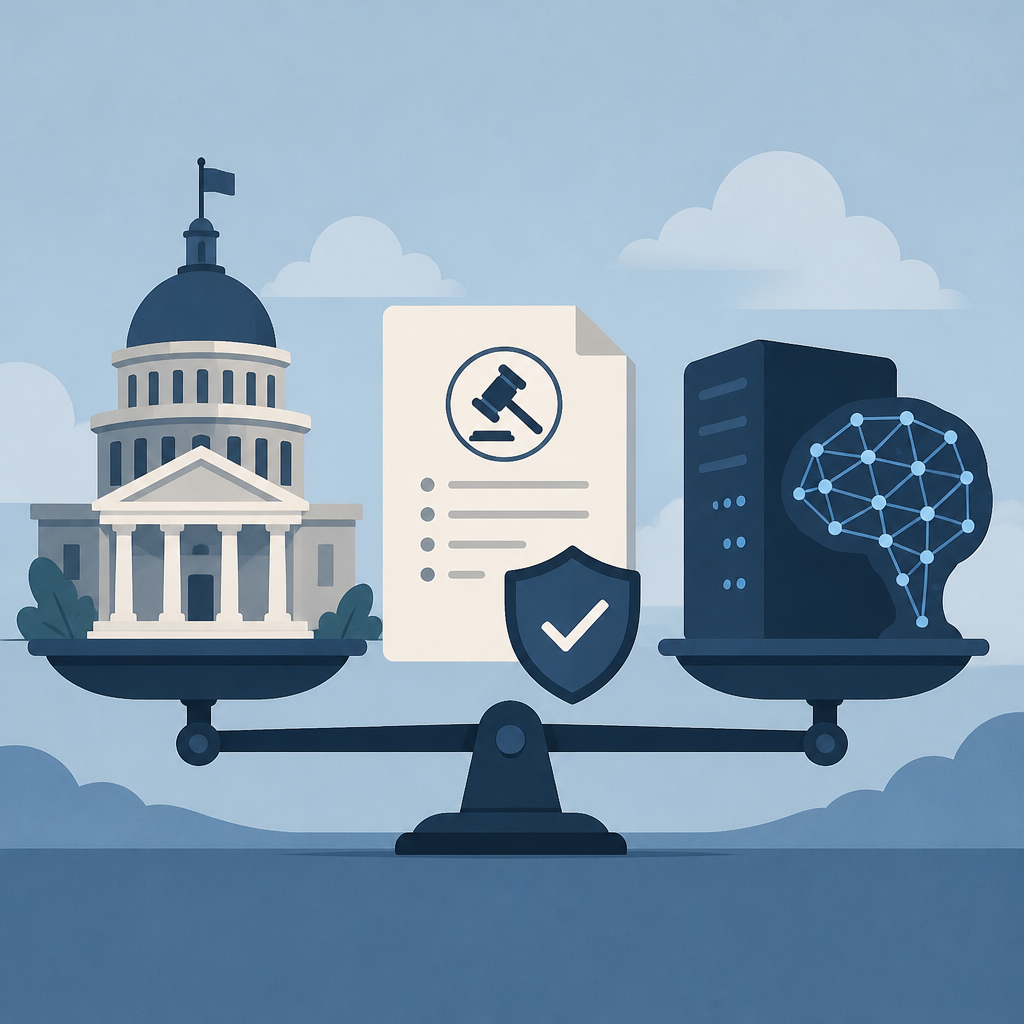
The government’s action also fits a broader pattern of treating advanced AI like strategic infrastructure. Anthropic is already in a public fight with the Department of Defense, where the company was labeled a supply chain risk. That label has historically been reserved for foreign adversaries, which shows how quickly the policy frame has shifted. Whether one agrees with the DoD dispute or not, the principle is clear: if a model can materially affect military, intelligence, or critical infrastructure work, then unrestricted access is not a neutral default.
Opacity is the real problem, not the restriction itself
The strongest criticism of the directive is not that governments should never restrict access. It is that this restriction arrived with no specific technical explanation. Anthropic said the government cited national security authorities but did not provide details. That lack of transparency is a serious flaw. A company cannot build legitimate compliance processes, and the public cannot judge proportionality, when the state issues a sweeping order without showing the basis for it.
Even so, opacity does not make the underlying power illegitimate. It makes the process incomplete. The right response is not to reject government intervention wholesale, but to demand a statutory framework that is transparent, fair, clear, and grounded in technical facts, exactly the standard Anthropic said it supports. If a model can be suspended for foreign nationals overnight, then the rules for doing so need to be spelled out in advance, not improvised after the fact. The absence of detail is an argument for better governance, not for open access by default.
Companies cannot self-regulate their way out of dual-use risk
Anthropic’s apology to customers is understandable, but it also underscores a hard truth: vendors cannot be the final arbiter of frontier model access. The company had already decided not to make Mythos 5 generally available and had limited rollout to a small set of companies. That is responsible behavior, but it is still a private judgment call. A model with advanced cybersecurity capability can be misused by adversaries, and no amount of voluntary policy language changes that fact. Self-regulation helps at the margins; it does not solve the core problem.
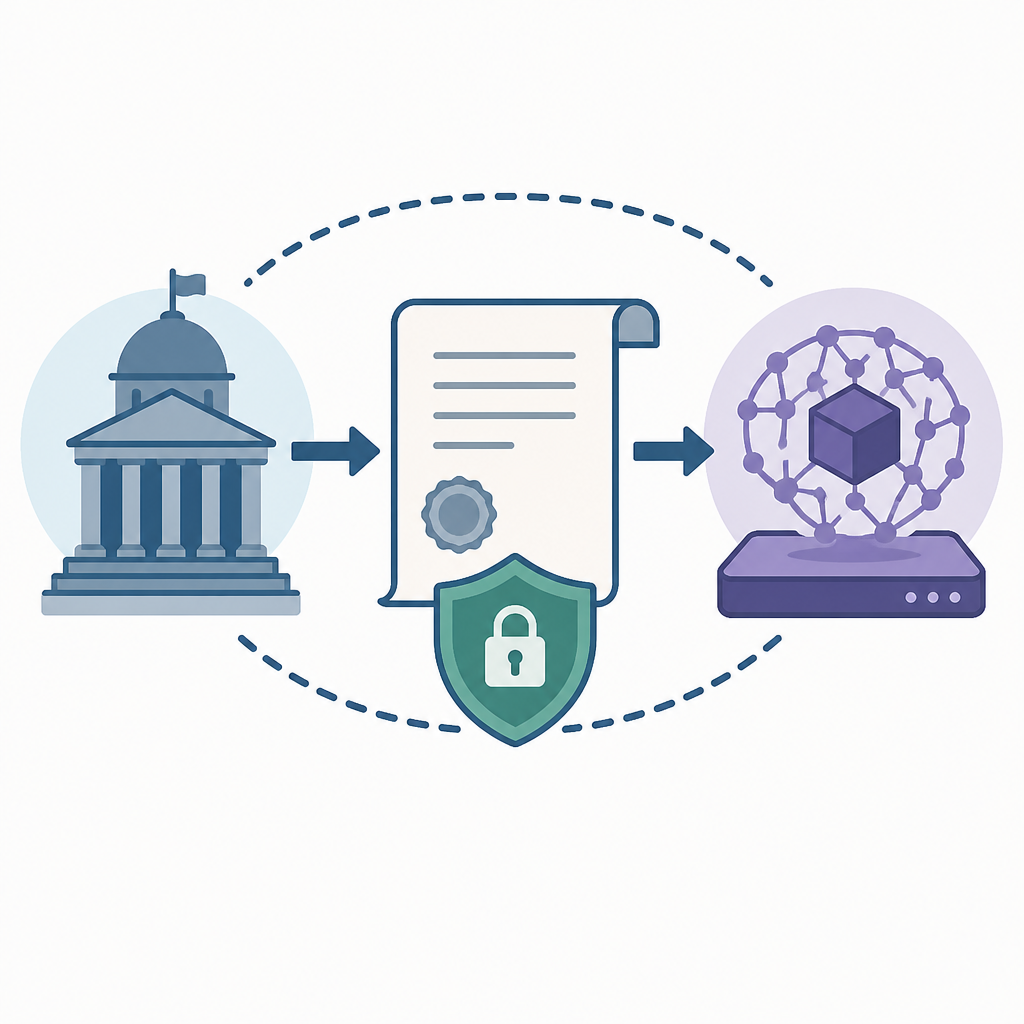
There is also a practical reason governments will keep intervening. Once a model is widely distributed, the cost of misuse falls on everyone, while the benefit of release accrues mostly to the vendor and early adopters. That misalignment is exactly why export controls exist in other strategic domains. The same logic applies here. If a frontier model can be used to accelerate offensive cyber work or sensitive technical analysis, then access restrictions are not an overreach. They are an attempt to keep the blast radius inside a controllable perimeter.
The counter-argument
The best case against this move is that it sets a dangerous precedent for arbitrary state control over general-purpose AI. Frontier models are not missiles or uranium. They are multipurpose tools that support research, software development, and productivity across the economy. A secretive order that disables access for foreign nationals, including employees, can look like industrial policy disguised as security policy. It also risks fragmenting the AI market into national camps, slowing innovation and pushing companies to design around geography instead of capability.
That concern is real, and it deserves respect. But it does not defeat the government’s authority to act in narrow cases where a specific model is believed to pose a national security threat. The answer is not to deny the state any power over frontier AI. The answer is to constrain that power with process, evidence, and review. In this case, Anthropic was right to object to the lack of transparency, but it was also right to comply. When a company has already placed a model in a restricted rollout and the state issues a lawful directive, resistance on principle would be reckless.
What to do with this
If you are an engineer, build for access control as a first-class system, not an afterthought. If you are a PM, treat exportability, residency, and nationality restrictions as launch criteria for frontier products. If you are a founder, assume that the most capable models will face government-imposed boundaries and plan your go-to-market around segmented access, auditability, and fast compliance. The lesson from Anthropic is not that frontier AI should be free to everyone. It is that the next wave of AI products will be shaped as much by national security rules as by benchmark scores.
// Related Articles
- [IND]
Black Duck’s Coverity gets better at AI-era triage
- [IND]
Anthropic’s Opus 5 makes the AI race cheaper
- [IND]
OpenAI’s distillation playbook explains the Kimi panic
- [IND]
Gemini 3.5 Flash lets you buy speed
- [IND]
RISC-V is past the hobby phase and should be treated as a real platfo…
- [IND]
Nvidia and OpenAI discuss a $250B AI backstop