OpenAI’s new cyber tool reaches Five Eyes
OpenAI has been briefing U.S. agencies and Five Eyes allies on a new cyber product as demand for AI security tools accelerates.
OpenAI has spent the past week briefing federal agencies, state governments, and Five Eyes allies on a new cyber product, according to Axios. The timing matters because the same AI systems that can help defenders spot threats faster can also lower the skill bar for attackers.
That tension is now moving from theory to procurement. Governments want to know whether AI can cut through alert overload, while security teams want proof that the model can help with triage, investigation, and response without opening fresh attack paths.
OpenAI held an event in Washington, D.C. to walk through the product’s capabilities. The company has not disclosed a public launch date, but the outreach itself says a lot: cyber is no longer a side use case for frontier model vendors, it is one of the first places they are trying to sell real operational value.
Why governments are paying attention
Public-sector buyers have a simple problem: they are drowning in logs, alerts, and incident reports. AI tools promise to sort through that noise faster than a human analyst can, especially when teams are understaffed and under pressure. The pitch is easy to understand, even if the implementation is messy.
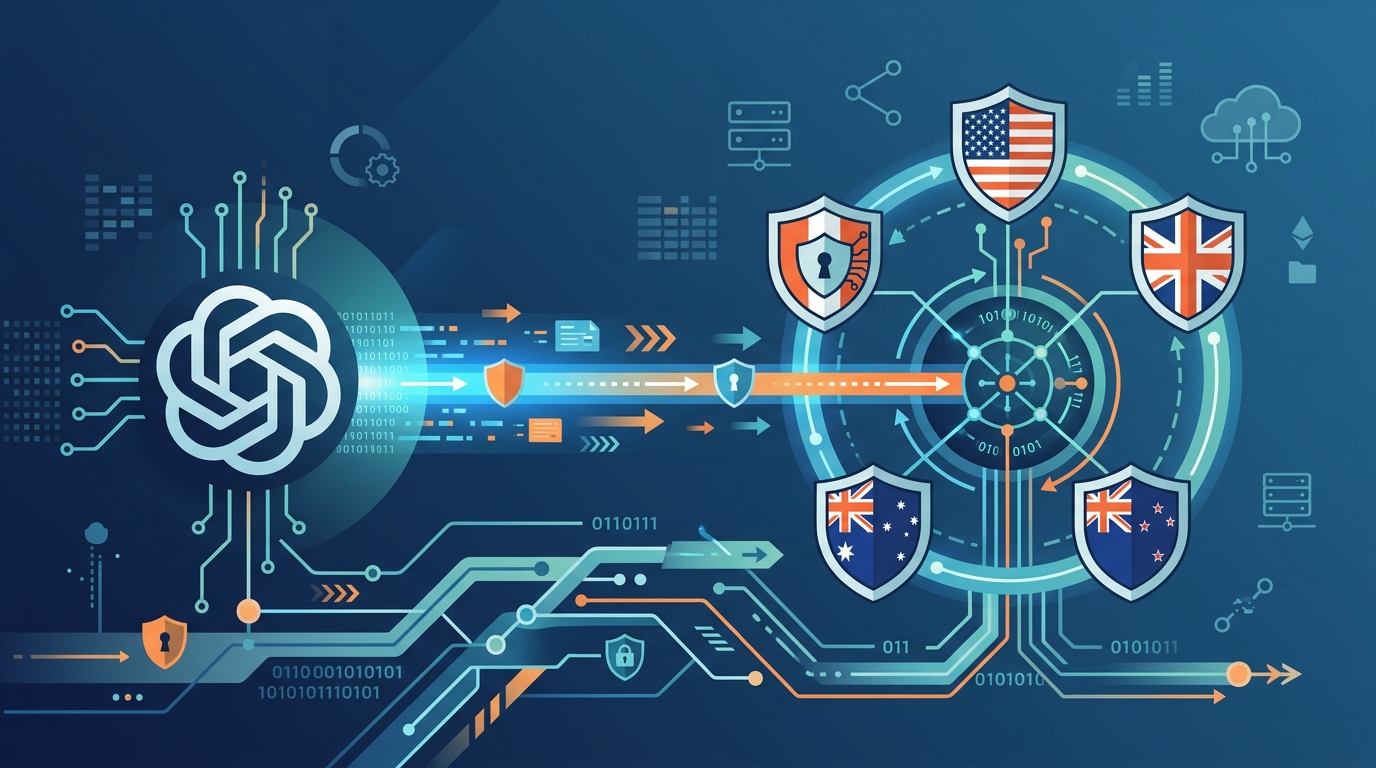
What makes this announcement notable is the audience. Briefings went beyond a single U.S. agency and reached Five Eyes partners, the intelligence-sharing group made up of the United States, the United Kingdom, Canada, Australia, and New Zealand. That means the product is being framed as something that could matter for national security, not just enterprise IT.
It also signals how quickly AI security tooling is becoming a strategic category. If a model can help defenders write better detections, summarize suspicious activity, and speed up incident response, the buyer pool expands from SOC teams to procurement offices and policy staff.
- Five Eyes includes 5 countries: the U.S., U.K., Canada, Australia, and New Zealand.
- OpenAI’s briefing tour included federal agencies and state governments, not just private-sector security teams.
- The company held a Washington, D.C. event to show the product’s capabilities.
- The news broke through Axios on April 22, 2026.
The cyber upside comes with obvious risk
AI-assisted security tools can be useful because they compress time. A model can summarize a phishing campaign, cluster related alerts, or turn a pile of endpoint telemetry into a cleaner story for analysts. That matters when response windows are measured in minutes, not days.
But the same model family can also help attackers draft better lures, automate reconnaissance, and polish malicious code. OpenAI has already spent years tightening its safety systems for general-purpose models, and cyber products raise the bar again because they sit closer to real operational workflows.
That is why the government briefing tour is important. Buyers in defense and intelligence want to know where the guardrails are, what the model can and cannot do, and how misuse is blocked. In cyber, a useful tool can become a dangerous one very quickly if controls are weak.
“AI is going to be a very important tool in the cybersecurity arsenal,” said CISA director Jen Easterly in a 2023 interview with WIRED.
That line still fits the moment. The argument is no longer whether AI belongs in security operations. The real question is which vendors can prove their systems help defenders more than they help attackers.
How OpenAI compares with the rest of the market
OpenAI is entering a field that already has serious competition. Security vendors have been adding generative AI features to products for over a year, and cloud providers have been pushing their own assistant-style tools into security workflows. The difference now is that OpenAI appears to be packaging cyber as a dedicated product, not a feature hidden inside a broader platform.
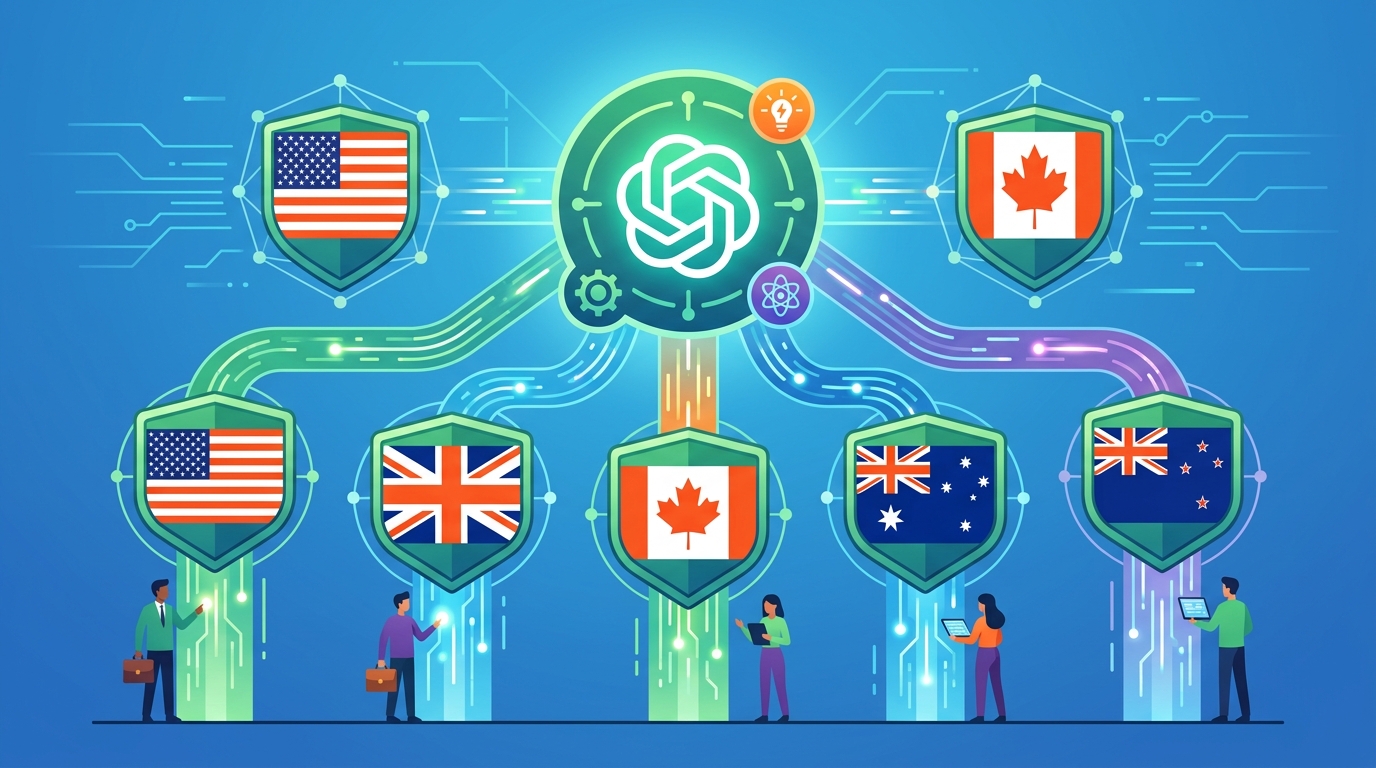
That distinction matters for buyers. Dedicated products usually come with clearer workflows, better policy controls, and a stronger story for compliance teams. They also create a sharper test for the vendor: if the tool is too general, security teams will ignore it; if it is too narrow, it will not earn budget.
Here is the practical comparison buyers are likely making:
- OpenAI: frontier models with a growing product layer for enterprise and government use.
- Microsoft Security: deeply integrated across identity, endpoint, and cloud controls, with AI features baked into existing admin tools.
- Google and Google Cloud Security: strong data and cloud telemetry plus AI-assisted analysis.
- CrowdStrike: endpoint-first security with AI-driven detection and response workflows.
The competition is not just about model quality. It is about trust, deployment options, auditability, and whether a security team can actually use the tool during an incident without creating more work.
What this means for the next buying cycle
If OpenAI keeps pushing into cyber, the next phase will be less about flashy demos and more about measurable outcomes. Buyers will want to know whether the product reduces alert fatigue, shortens triage time, or improves incident summaries enough to justify the cost and the policy review.
That is especially true for government agencies, where procurement moves slowly and scrutiny is high. A cyber product that can pass those reviews may also become a template for regulated industries such as finance, healthcare, and critical infrastructure.
My read: this is OpenAI testing whether it can turn model capability into a security product line that governments will actually buy. If the company can show clear gains without giving attackers new shortcuts, expect more vendors to split their AI offerings into defense-specific and general-purpose tracks. If it cannot, the market will keep treating AI cyber tools as useful add-ons rather than must-have infrastructure.
The next question is simple: will agencies adopt this as an analyst assistant, or will they demand so many controls that the product loses the speed advantage that made it attractive in the first place?
For more on how AI is moving into security operations, see our coverage of AI security ops tools and model safety controls for enterprise deployments.