Tether's Bitnet fine-tuning brings AI to edge devices
Tether says its Bitnet LoRA framework can fine-tune a 13B model on consumer devices, pushing AI training closer to phones and PCs.
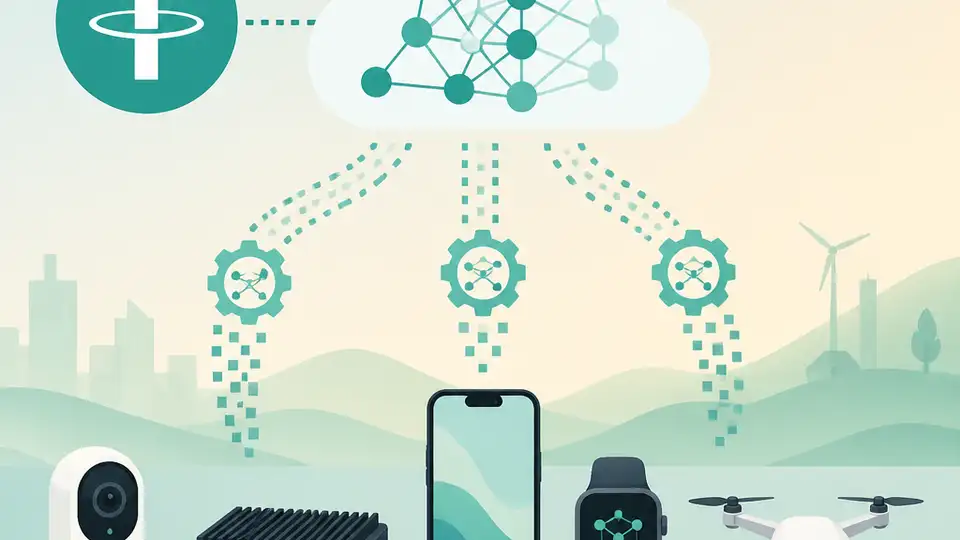
Tether says its Bitnet LoRA framework can fine-tune a 13B model on consumer devices.
Tether published a Bitnet LLM fine-tuning framework on 29 May 2026 that it says can run on consumer hardware, including phones, laptops, and desktops. The company frames the work as a way to move AI training and inference away from cloud-only systems and onto user-owned devices.
| 項目 | 數值 |
|---|---|
| Publication date | 29 May 2026 |
| Model size | 13 billion parameters |
| Weekly gen-AI users cited | About 700 million |
| Large-company AI scaling rate | Nearly 50% |
| Small-company AI scaling rate | 29% |
What changed
Get the latest AI news in your inbox
Weekly picks of model releases, tools, and deep dives — no spam, unsubscribe anytime.
No spam. Unsubscribe at any time.
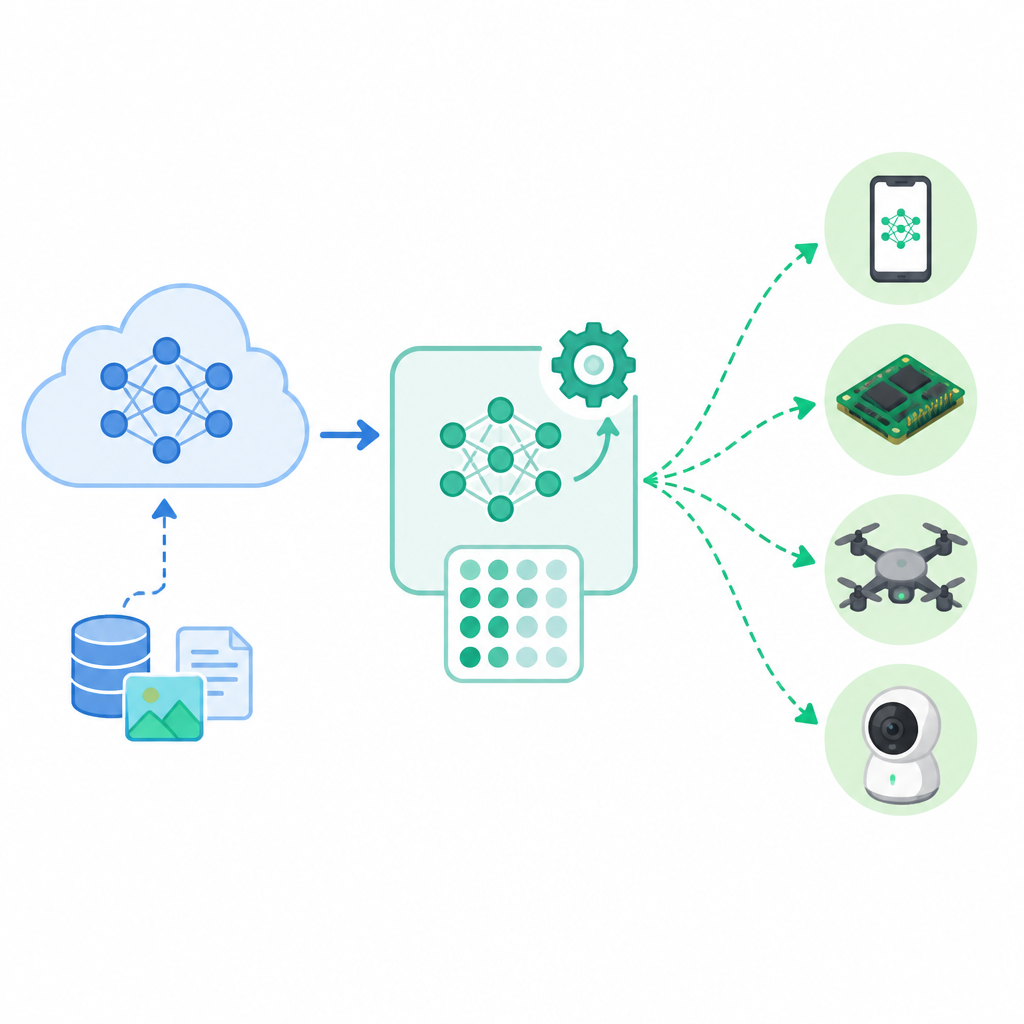
The framework extends Microsoft’s Bitnet LLM with LoRA fine-tuning on heterogeneous consumer GPUs, including mobile GPUs. Tether says the update adds Vulkan and Metal backends, which lets Bitnet run beyond its original Bitnet.cpp inference engine and reach more devices.
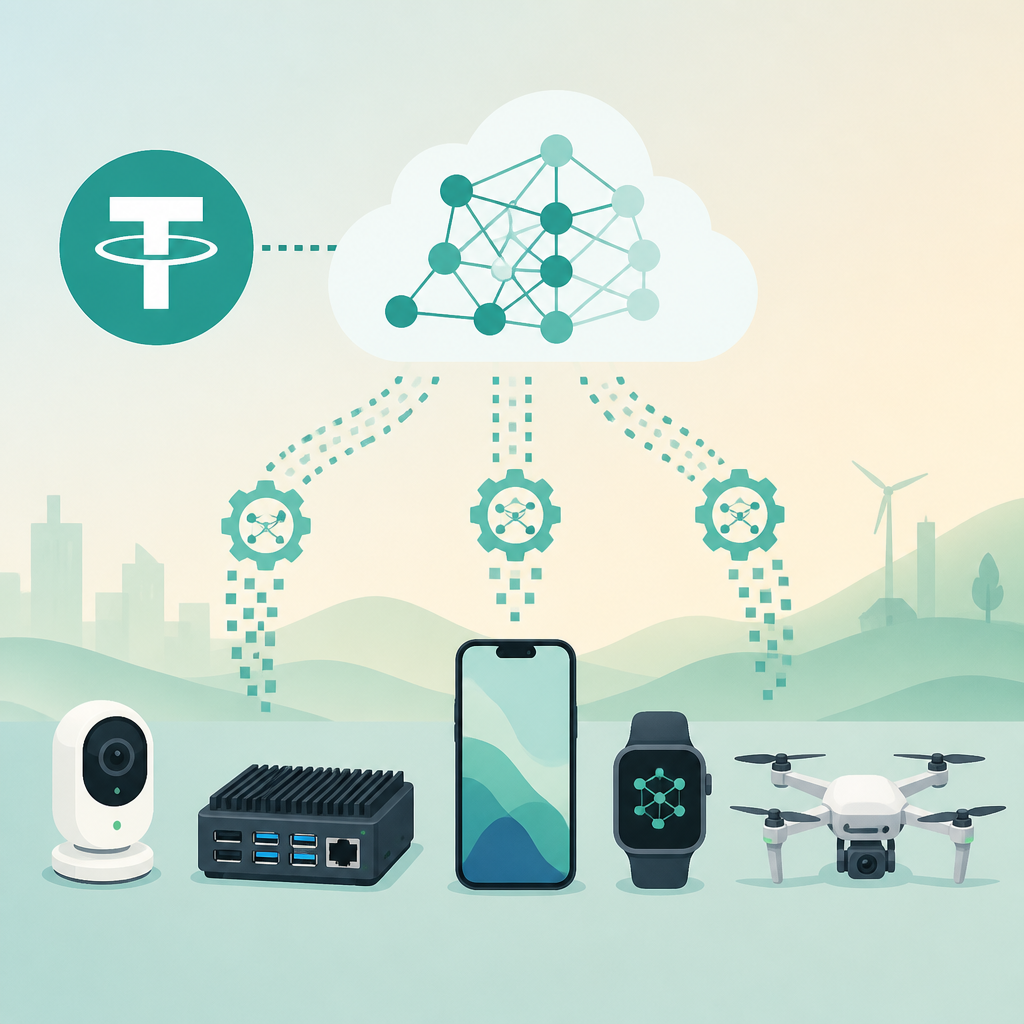
Tether says the system uses dynamic tiling to work around Vulkan driver buffer limits on mobile hardware. The same tiling approach was first used in the company’s QVAC Fabric LLM fine-tuning framework, which powers QVAC Workbench.
- Runs Bitnet inference and LoRA fine-tuning on Vulkan and Metal GPUs
- Targets phones, PCs, and laptops instead of only data-center hardware
- Uses ternary-quantized Bitnet efficiency to cut compute needs
- Packages the work as modules in the QVAC SDK for developers
The article says the goal is to make fine-tuning possible on devices such as Samsung S25 and iPhone 16-class handsets, plus regular personal computers. Tether also says the framework is open-sourced to help developers build edge-first AI apps without cloud infrastructure.
Why it matters
For developers, the main shift is practical: if fine-tuning can happen on local devices, smaller teams may be able to build and adapt AI tools without paying for large GPU clusters. That lowers the barrier for retail, small-business, and consumer apps that need more than basic inference.
The market angle is broader access. The article cites McKinsey’s 2025 State of AI survey, which found nearly half of companies with more than $5 billion in revenue had reached the AI scaling phase, versus 29% of firms under $100 million. Tether is betting edge-first AI can narrow that gap by moving compute to user-owned hardware.
Tether also links the framework to its wider stack: Pear for peer-to-peer apps, Holepunch for direct device communication, and delegated inference that can move work between mobile and desktop systems. The pitch is less about one model and more about a distributed app model built around local compute.
The key question is whether consumer GPUs, mobile drivers, and open tooling can make edge fine-tuning reliable enough for real production use, not just demos.
// Related Articles
- [MODEL]
Opus 5 lets you ship with fewer refusals
- [MODEL]
Claude Opus 5 undercuts Fable 5 on price
- [MODEL]
OpenAI model catalog adds GPT-5.6 pricing tiers
- [MODEL]
Gemini 3.6 Flash proves Google is betting on efficiency over hype
- [MODEL]
Kimi K3 handles an 820k-line Rust codebase
- [MODEL]
GPT-5.6 arrives in three variants with lower token costs