Why Backrooms Proves Horror Still Owns the Box Office
Backrooms proves original horror is the most reliable engine in modern theatrical business.
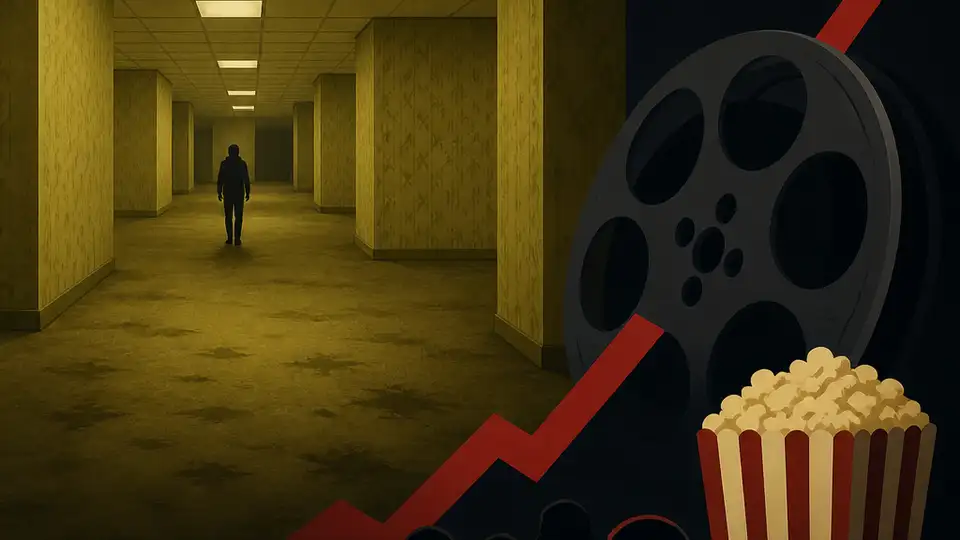
Backrooms proves original horror is the most reliable engine in modern theatrical business.
Original horror is the best business in movies right now, and Backrooms is the clearest proof. A24 says the film opened to more than $81 million domestically on a $10 million budget, making it the largest original horror debut in history and turning a 20-year-old first-time feature director, Kane Parsons, into the youngest filmmaker to helm a No. 1 box office film globally. That is not a fluke. It is the market telling studios that audiences still show up for a sharp premise, a low budget, and a theatrical event that feels distinct from the endless churn of franchise content.
Horror wins because the economics are ruthless
Get the latest AI news in your inbox
Weekly picks of model releases, tools, and deep dives — no spam, unsubscribe anytime.
No spam. Unsubscribe at any time.
The first argument is simple: horror does not need superhero-scale spending to create superhero-scale returns. Backrooms cost $10 million and opened with more than eight times that amount in domestic ticket sales in one weekend. That kind of ratio is the dream for any studio, but in horror it is not a dream, it is a repeatable model. A modest budget lowers the risk floor, and a strong opening weekend turns the movie into a profit machine before the second week even begins.
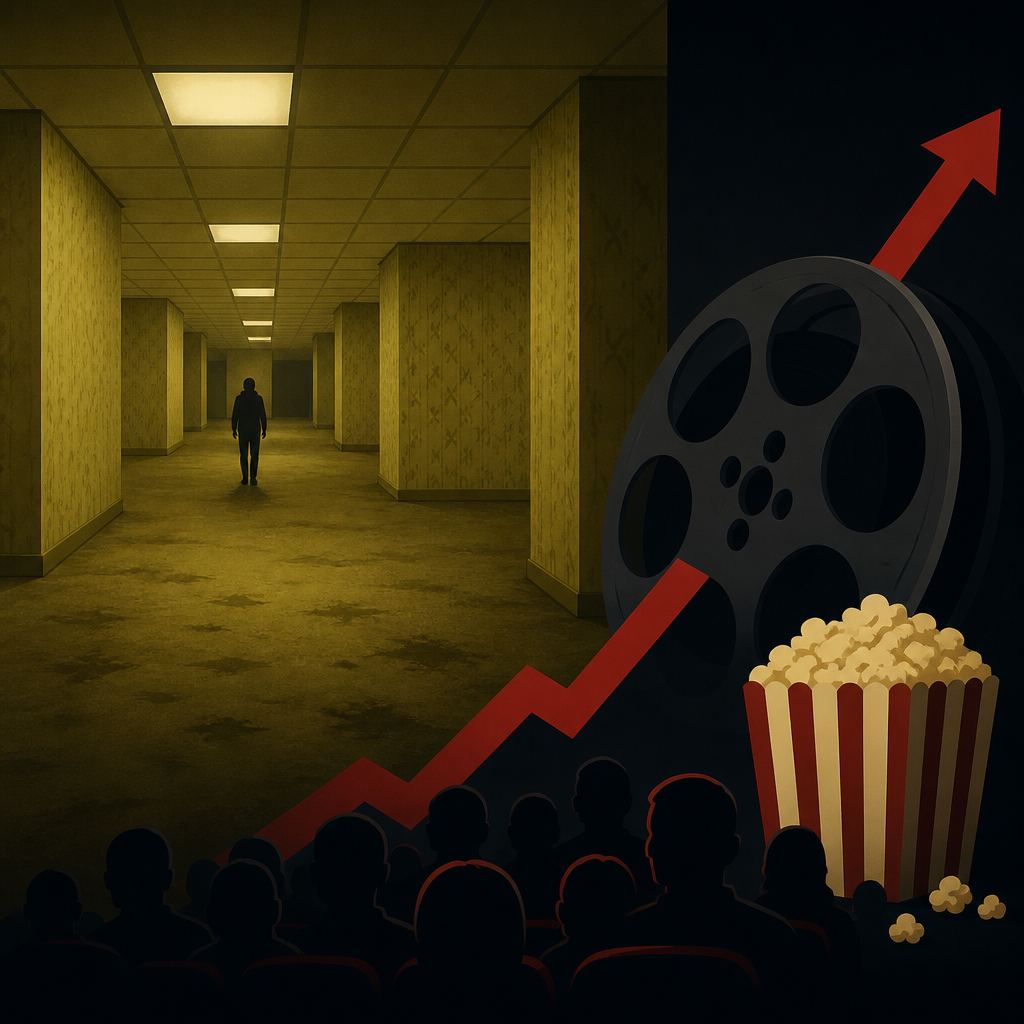
This is why horror keeps outperforming so many prestige and mid-budget genres. The article points to recent examples like Sinners, Weapons, and Obsession, all of which turned into major box office stories. The point is not that every horror film becomes a hit. The point is that the genre gives studios a better shot at upside without exposing them to the same level of financial punishment that comes with tentpoles. When a film can be made cheaply enough and marketed well enough, the theatrical run becomes a leverage play, not a gamble.
Horror travels because the premise does the work
Backrooms also shows why horror travels better than most original films. The setup is brutally simple: a strange doorway appears in a furniture showroom basement, and a character steps into a vast, dimly lit space full of furniture and disembodied voices. That is all the audience needs to understand the threat. The concept is visual, immediate, and easy to explain in one sentence, which means it spreads fast online and across borders without needing a dense mythology or a sequel stack to hold attention.
That simplicity matters because the modern audience is overloaded with content and short on patience. Parsons himself described the appeal as coming from the anxiety of industrialization and atomization, and that is exactly why the idea lands. The film does not ask viewers to memorize lore. It asks them to feel disorientation, loneliness, and dread. Horror works when it taps a universal nerve, and Backrooms does that with a premise built for sharing, imitation, and instant recognition.
The internet-to-theater pipeline is now a real studio strategy
Parsons is not just a director who made a lucky leap into features. He arrived with a built-in audience from YouTube, where his Backrooms videos pulled millions of views, including one that has surpassed 81 million views. That matters because it changes the marketing math. A studio is not starting from zero when it backs a creator like this. It is buying into an existing fandom, a pretested visual language, and a concept that already proved it can hold attention outside the cinema.
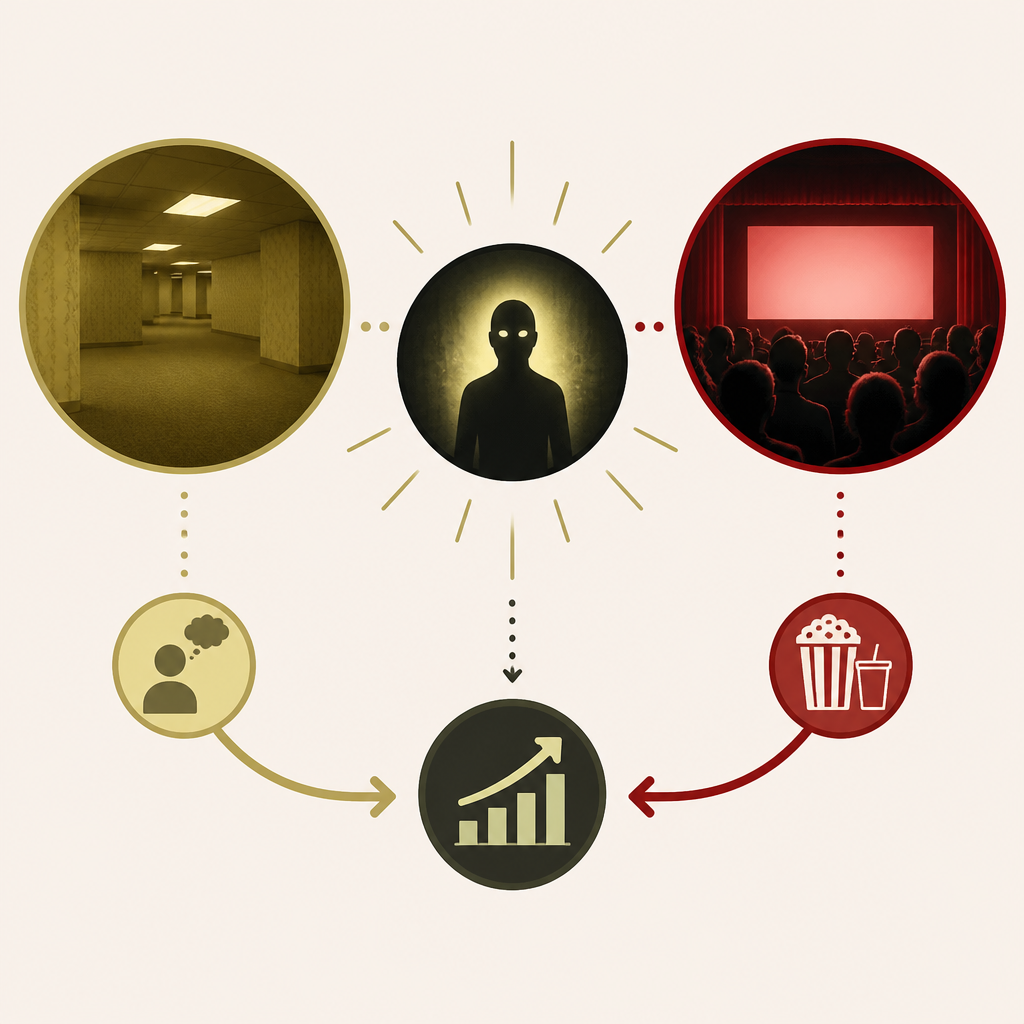
This is the part of the story studios should care about most. Backrooms is not evidence that every viral idea should become a movie. It is evidence that the pipeline from internet-native horror to theatrical release is now mature enough to produce real box office results. A24 did not just distribute a movie. It converted online cultural memory into a premium theatrical event. That is a strategic advantage, and it will keep paying off for studios willing to treat creators as IP origins instead of just social media personalities.
The counter-argument
The skeptical view is not weak. One opening weekend does not prove a lasting trend, and a film with a massive preexisting online footprint is not the same thing as a totally unknown original. Backrooms benefited from curiosity, novelty, and a built-in fan base that most movies do not have. There is also a danger in studios overreading the result and flooding the market with thin, copycat horror concepts that chase virality instead of quality.
That critique is fair, but it misses the core lesson. Backrooms is not a proof that every internet-born horror property will work. It is proof that when the concept is strong, the budget is disciplined, and the audience already understands the world, theatrical horror can still outperform nearly every other original category. The limit is real: not every viral property is worth a film. But the business case is stronger than the cautionary one, because the downside is capped and the upside is enormous.
What to do with this
If you are an engineer, PM, or founder building in media, treat Backrooms as a reminder that distribution follows clarity. The winning product is not the one with the most features, but the one with the cleanest hook and the lowest friction to understand. If you are a studio or creator, invest in ideas that can be summarized instantly, tested cheaply, and expanded only after they prove demand. Horror is not just surviving. It is showing the rest of entertainment how to build for attention, conversion, and scale.
// Related Articles
- [IND]
Why SMCI’s Rally Is About Supply, Not Just Agentic AI
- [IND]
Nvidia's Huang links AI boom to agent demand
- [IND]
Arm’s Windows-on-Arm pitch turns into a playbook
- [IND]
Anthropic's partner network gets enterprise-ready
- [IND]
7 Build 2026 announcements for Microsoft watchers
- [IND]
Why Microsoft’s new AI models are the right way to break OpenAI depen…