Why GPT Image 2 Matters More Than Another AI Image Launch
GPT Image 2 is not just a better image model; it is the point where AI image generation becomes a commercial workflow, not a novelty.
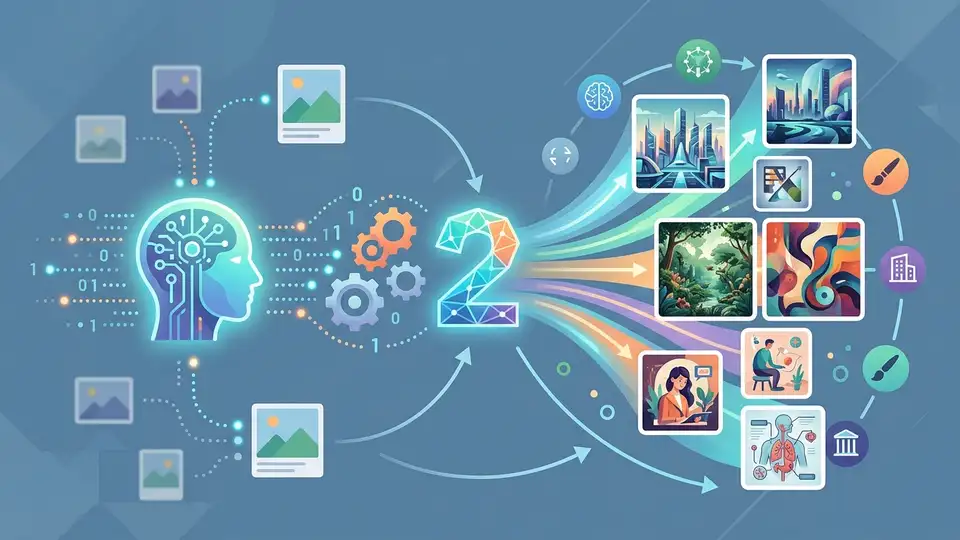
GPT Image 2 matters because it marks the moment AI image generation stops being a clever demo and starts behaving like infrastructure.
OpenAI’s path from DALL-E to GPT Image 1 and now GPT Image 2 is not a series of cosmetic upgrades. It is a product arc that tracks a real shift in value: from images that impress, to images that help, to images that can sit inside production pipelines. For creators, marketers, and product teams, that shift changes the job. The question is no longer whether AI can make a decent picture. The question is whether the tool can support repeatable work at commercial speed, with fewer handoffs, fewer revisions, and less dependence on specialist production labor. That is the standard GPT Image 2 is aiming at, and it is the standard that matters.
AI image generation is now a workflow tool, not a novelty
The first reason GPT Image 2 matters is simple: the market has moved past “look what it can do.” A model only becomes operationally useful when it reduces cycle time. If a designer can generate three usable directions in the time it used to take to brief one concept round, that is not a party trick. That is throughput.
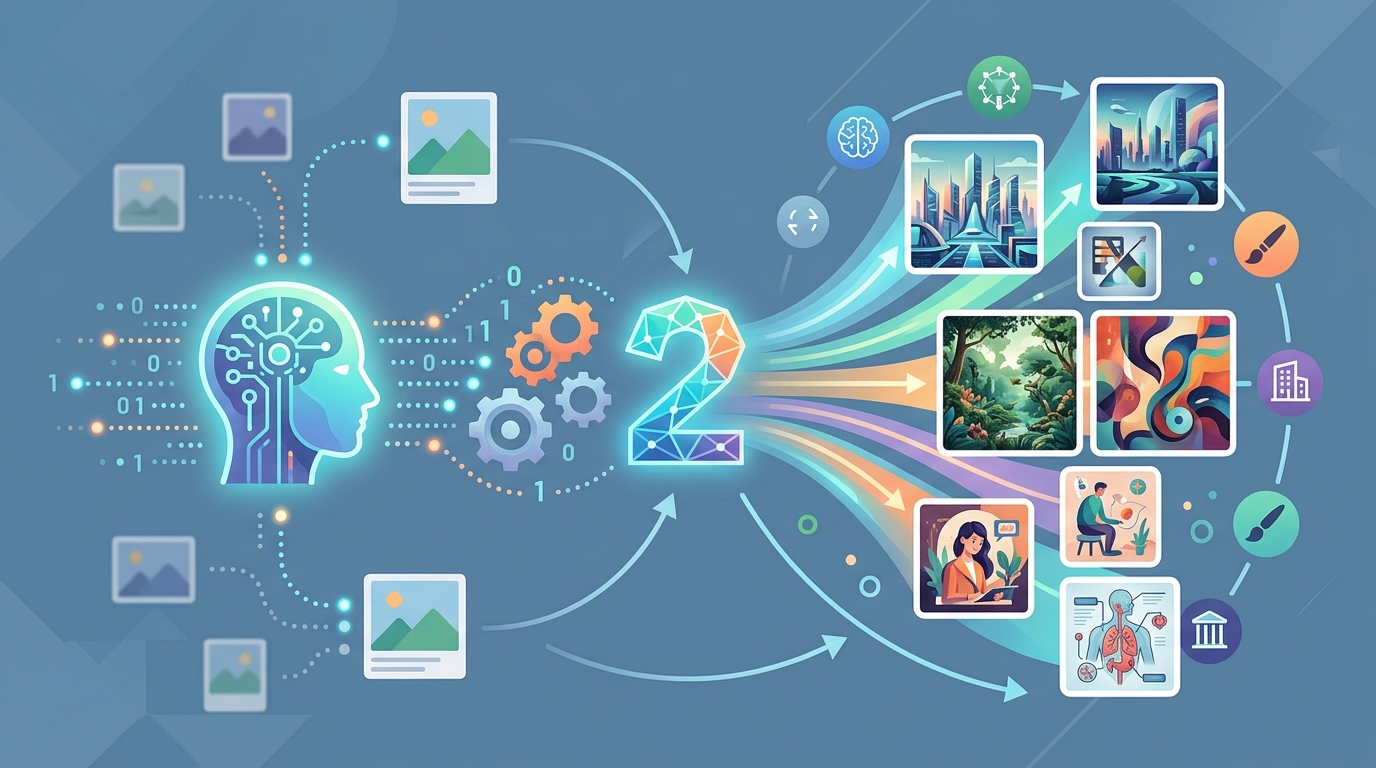
We have seen this pattern before. Early generative tools were judged on spectacle, but adoption only followed when they fit into existing work. Spreadsheets did not win because they were impressive; they won because they became the default interface for analysis. GPT Image 2 is following the same route. Its real value is not that it can make a striking poster. Its value is that it can shorten the path from idea to asset, which is what teams actually pay for.
The real shift is commercial reliability
The second reason is commercial readiness. The phrase “能商用” is the key claim here, and it is more important than image quality alone. Businesses do not adopt a model because it occasionally produces a great output. They adopt it when it can be used repeatedly, with enough consistency to support campaigns, product mockups, social assets, and internal communication without constant rework.
That is where GPT Image 2 changes the conversation. A marketing team does not need one perfect image. It needs fifty acceptable ones, aligned to brand rules, generated quickly enough to keep pace with launches. A founder does not need a cinematic masterpiece. They need pitch visuals, landing-page illustrations, and ad variants without waiting on a full creative production cycle. The leap from “can generate” to “can commercialize” is the leap from isolated output to operational value, and that is the real milestone.
AI image skills are becoming baseline literacy
The third reason is more strategic: once the tool becomes dependable, the skill becomes ordinary. The summary is blunt about this, and it is correct. “会用 AI 生图” is no longer a differentiator if the tool is easy enough for non-specialists to use and good enough for production-adjacent work. That is what happens when a capability becomes embedded in everyday software behavior.
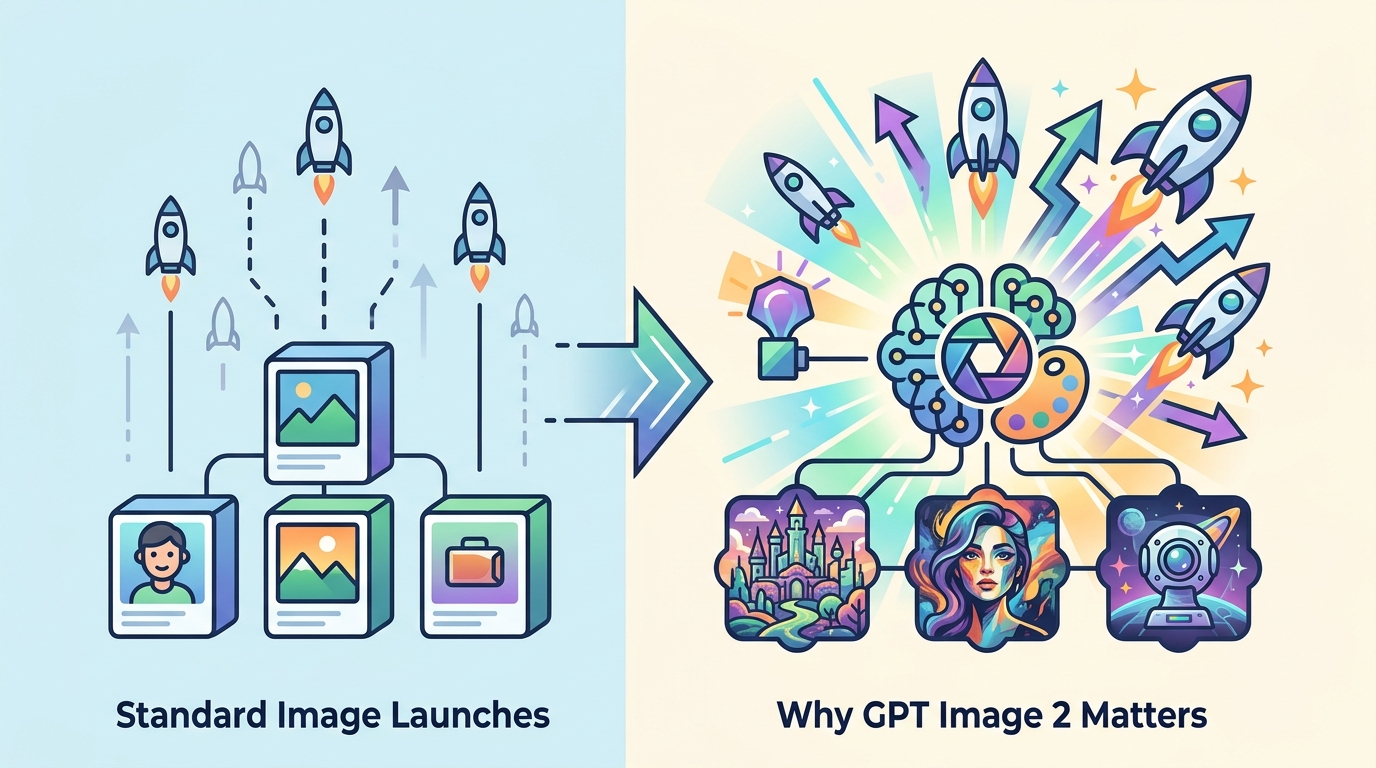
In practical terms, this compresses the advantage curve. Early adopters once had a moat simply because they knew how to coax usable images out of weak systems. That moat is shrinking fast. The advantage now shifts to people who know what to ask for, how to define constraints, and how to integrate generated assets into a broader content system. In other words, the tool is becoming common, but the judgment around the tool still matters. GPT Image 2 accelerates that transition by making the baseline higher and the floor easier to reach.
The counter-argument
The strongest objection is that image generation has been overhyped before. Critics are right to point out that many AI visuals still fail at consistency, brand fidelity, and edge-case control. A model can produce a good-looking image and still be a poor production tool if it cannot preserve character identity, typography, layout discipline, or legal clarity. In that view, calling GPT Image 2 a commercial breakthrough is premature because the hard problems are not aesthetic, they are operational.
That criticism is fair, but it does not overturn the larger point. Commercial usefulness does not require perfection; it requires a lower total cost of production. If GPT Image 2 cuts iteration time, reduces dependency on specialists, and gets teams to workable assets faster, then it has already crossed the threshold that matters for adoption. The limit is real: high-stakes brand systems, regulated industries, and tightly art-directed campaigns still need human review and traditional production controls. But that is not a reason to dismiss the model. It is a reason to place it where it belongs, as a force multiplier inside a managed workflow rather than a replacement for creative judgment.
What to do with this
If you are an engineer, stop treating image generation as a side feature and start treating it as an input/output system with quality gates, prompt templates, review loops, and asset governance. If you are a PM, define the workflows where speed matters more than perfection, then measure the time saved and the revision rate, not just the visual wow factor. If you are a founder, build around the fact that AI image creation is becoming table stakes: the opportunity is no longer “we use AI,” but “we turn AI output into a repeatable business process.”
Related Articles
Anthropic and Amazon lock in 5GW for Claude
Apr 24
Why enterprises should stop treating Codex like a pilot project
Apr 24

Why the Mythos rollout is a mistake
Apr 24

OpenAI’s new cyber tool reaches Five Eyes
Apr 23

Why Mythos AI Is a Real Cybersecurity Threat
Apr 23

Florida Opens Criminal Probe Into OpenAI
Apr 23