Zilliz Vector Lakebase turns vector search into one platform
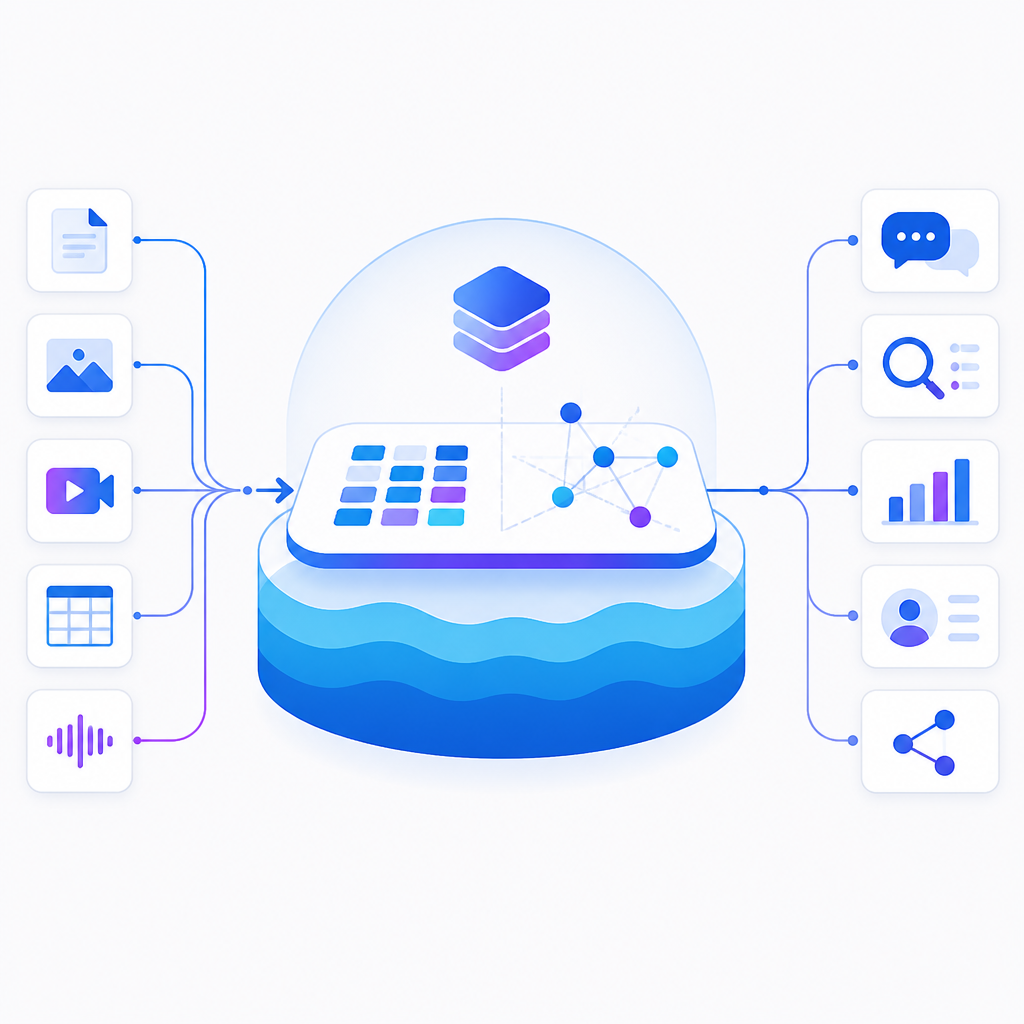
Vector Lakebase adds a unified AI data layer to Zilliz, combining vector search, object storage, and analytics in one platform.

Vector Lakebase combines vector search, storage, and analytics in one AI data platform.
Zilliz says its new Vector Lakebase extends the company’s vector database into a broader AI data platform, giving teams one place to store, search, and analyze data across retrieval and agent workflows. The launch builds on a market where vector databases are already core infrastructure for AI, and Zilliz points to its roots in the VLDB 2022 paper “Manu: A Cloud Native Vector Database.”
| Item | What it adds | Best fit |
|---|---|---|
| Zilliz Vector Lakebase | Vector search + storage + analytics | Teams building AI apps with mixed data needs |
| Zilliz Cloud | Managed vector database service | Teams that want hosted Milvus infrastructure |
| Milvus | Open source vector database | Teams that need self-managed control |
| Zilliz | Vendor platform and services | Organizations standardizing on one AI data stack |
1. Vector Lakebase
Get the latest AI news in your inbox
Weekly picks of model releases, tools, and deep dives — no spam, unsubscribe anytime.
No spam. Unsubscribe at any time.
Vector Lakebase is the headline move: Zilliz is packaging vector retrieval, data storage, and analytics into a single platform instead of treating them as separate systems. That matters for AI teams that want fewer handoffs between ingestion, retrieval, and downstream analysis.

The practical angle is simpler architecture. Rather than stitching together a vector store, a lake, and an analytics layer, teams can keep more of the workflow inside one vendor stack.
- Vector search for semantic retrieval
- Data storage for AI-ready content
- Analytics for inspection and reporting
2. Zilliz Cloud
Zilliz Cloud is the managed path for teams that want vector infrastructure without running it themselves. It is the most direct way to adopt Zilliz’s database technology if your team values hosted operations over self-management.
For product teams, the appeal is speed to production. You can focus on embedding pipelines, retrieval logic, and app behavior while the service handles the database layer.
- Managed deployment model
- Operational overhead shifted to the vendor
- Useful for production AI search and RAG apps
3. Milvus
Milvus remains the open source core most people associate with Zilliz. If your organization wants more control over deployment, tuning, and infrastructure choices, Milvus is the option that keeps the stack in-house.
That makes it a better fit for teams with platform engineering resources or strict governance rules. It also gives developers a familiar vector database foundation if they want to build around open source instead of a fully managed service.
- Open source vector database
- Self-managed deployment options
- Suitable for custom infrastructure policies
4. The VLDB paper lineage
Zilliz is also anchoring the announcement in research credibility, citing its VLDB 2022 paper, “Manu: A Cloud Native Vector Database.” That matters because it shows the product line did not appear overnight; it evolved from a published systems design with academic review behind it.
For buyers, this is a signal about engineering depth. It suggests the company is trying to connect the new platform story to the database architecture work that made its earlier products credible in the first place.
- Paper title: “Manu: A Cloud Native Vector Database”
- Conference: VLDB 2022
- Useful signal for technical buyers evaluating vendor maturity
5. Unified AI data platform
The bigger claim is not just that Zilliz added another product, but that it wants to be the place where AI data lives and moves. A unified platform can reduce duplication across teams that currently split embeddings, object storage, and analytics across separate tools.
That is especially relevant for retrieval-augmented generation, agent systems, and search products, where the same data often needs to be indexed, queried, and inspected in multiple ways. Zilliz is betting that one platform is easier to operate than a patchwork of specialized services.
- One platform for ingestion and retrieval
- Cleaner path for RAG and agent workflows
- Less tool sprawl across data and AI teams
How to decide
If you want the least operational work, start with Zilliz Cloud and see whether the managed path fits your app and compliance needs. If you want full control, Milvus is the better choice. If your team is trying to simplify a stack that already mixes vector search, storage, and analytics, Vector Lakebase is the product to watch.
For technical buyers, the decision comes down to control versus consolidation. Zilliz is offering both, but Vector Lakebase is clearly aimed at teams that want one AI data layer instead of several separate systems.
// Related Articles