AI Benchmarks 2026: Top Evaluations and Limits
MMLU, HLE, SWE-Bench and agent tests are hitting limits in 2026, while production gaps and contamination keep human review necessary.

2026 AI benchmarks are saturating at the top while production gaps keep widening.
AI benchmarks now shape model rankings, funding, and deployment decisions, but the biggest tests are running into hard limits. Kili Technology’s April 13, 2026 guide says frontier models are pushing past old leaderboards while real-world failures, contamination, and cost swings keep growing.
| 項目 | 數值 |
|---|---|
| MMLU frontier ceiling | 88%+ |
| Humanity’s Last Exam top score | 37.5% |
| Human domain expert average on HLE | ~90% |
| Lab-to-deployment gap for enterprise agents | 37% |
| Organizations with AI agents in production | 57% |
What changed
Get the latest AI news in your inbox
Weekly picks of model releases, tools, and deep dives — no spam, unsubscribe anytime.
No spam. Unsubscribe at any time.
The guide breaks 2026 evaluation into five buckets: general knowledge, frontier reasoning, coding, agent tasks, professional work, and safety. It argues that no single benchmark can cover all of them, because model behavior shifts once tools, users, and long-running workflows enter the picture.
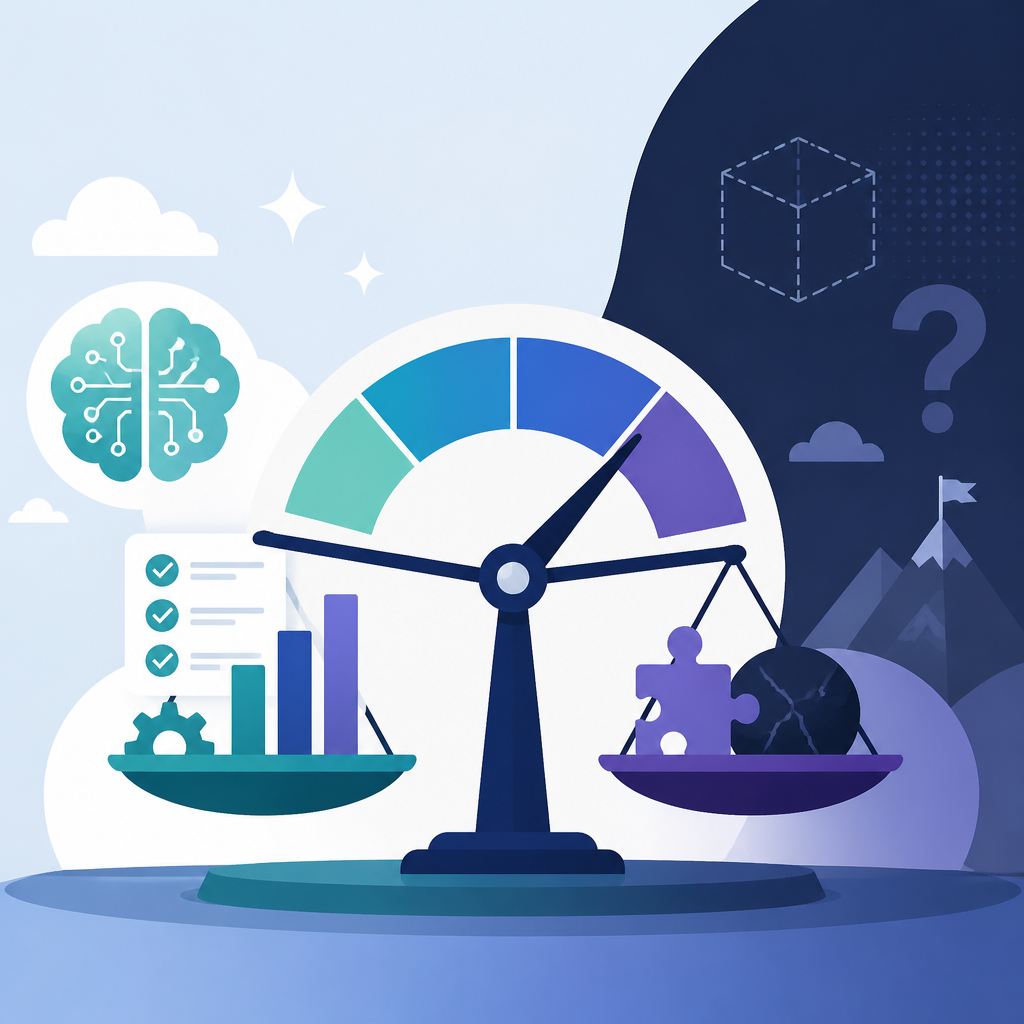
Some of the biggest names are now partially saturated. MMLU and MMLU-Pro both fail to separate the strongest models cleanly, while GPQA Diamond still differentiates systems in the middle range. Humanity’s Last Exam, designed by domain experts across dozens of fields, pushes the best models down to the mid-30s, but human experts still score far higher.
- MMLU is above 88% for frontier models.
- GPT-5.3 Codex reaches 93% on MMLU.
- HLE has 2,500 expert-written questions.
- OpenAI’s GDPval uses 1,320 professional tasks and human expert grading.
- Agent-safety tests such as Agent-SafetyBench, CUAHarm, and OS-HARM all expose gaps that single scores miss.
Coding benchmarks show another problem: the test setup can change the score as much as the model does. SWE-Bench Verified has contamination issues, so OpenAI stopped reporting it. SEAL, LiveCodeBench, and Terminal-Bench try to reduce that by using fresh tasks, stricter tooling, and more realistic workflows.
Agent benchmarks make the gap even clearer. GAIA, τ2-Bench, WebArena, and ARC-AGI-3 measure planning, tool use, and environment changes, but the same model can score very differently depending on the orchestration layer. In one example from the guide, Claude Opus 4 scores 64.9% in one agent framework and 57.6% in another.
Why it matters
For teams shipping AI, benchmark scores are no longer enough to predict production quality. The guide cites a 37% gap between lab results and real deployments, plus 50x cost variation for similar accuracy on agentic tasks. That means leaderboard wins can hide expensive, brittle systems.
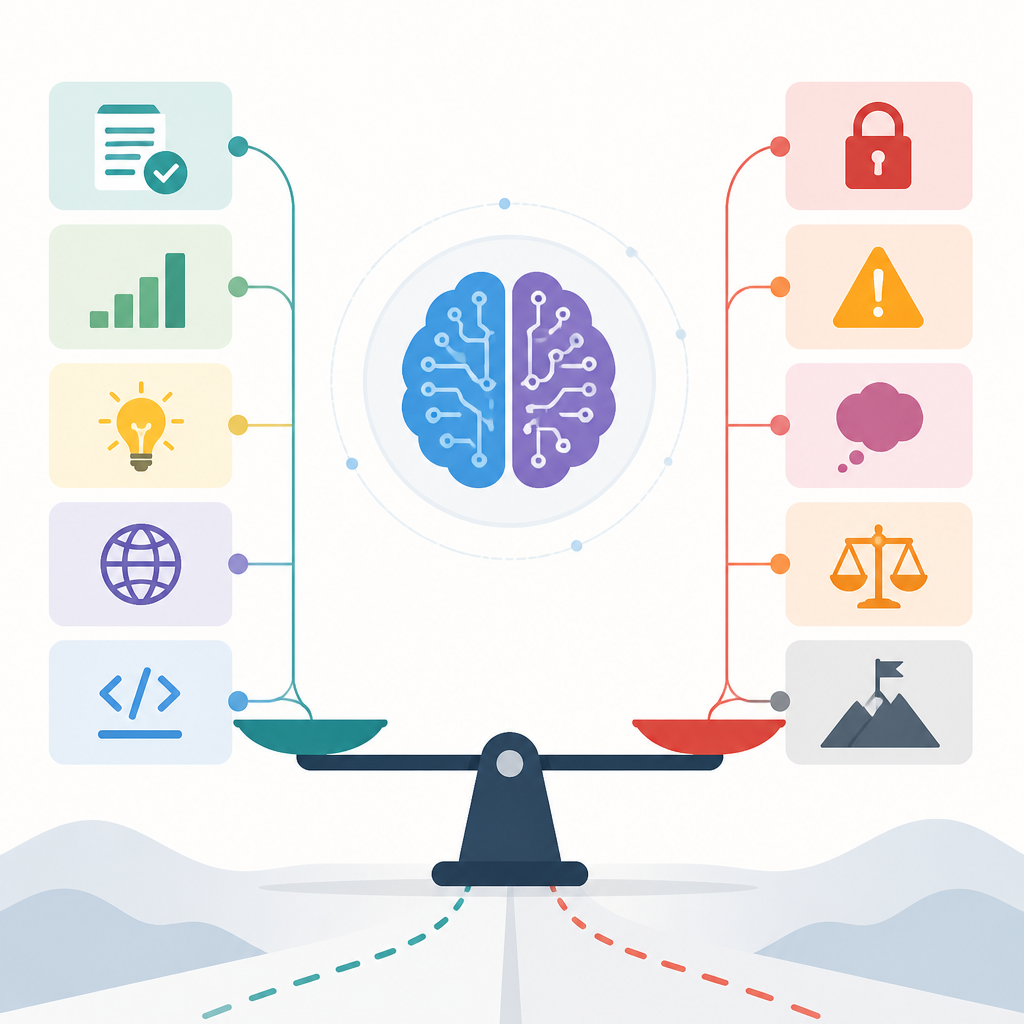
The practical takeaway is a layered evaluation stack: automated metrics for coverage, LLM-as-a-judge for screening, and human expert review for domain-specific correctness. Kili Technology positions its own review layer around 2,000+ verified specialists and audit-ready traceability, which the guide frames as necessary when benchmark data is noisy or incomplete.
The question now is not which benchmark is highest, but which evaluation mix can survive contact with customers, compliance checks, and edge cases.
// Related Articles
- [RSCH]
OpenAI’s agent hack forces tighter eval controls
- [RSCH]
CARE routes LoRA experts by confidence
- [RSCH]
πR² makes flow policies react in real time
- [RSCH]
Relay-OPD fixes prefix failure in distillation
- [RSCH]
Learning from Multiple Data Providers
- [RSCH]
Certified parallel Sinkhorn speeds up dynamic OT