Android June 2026 Google System Updates: What Changed
June 2026 Google System updates add Play Store dialog refreshes, Ask Play tweaks, Wallet fixes, and new security checks.

June 2026 Google System updates add Play Store, Wallet, and security changes across Android devices.
Google’s June 2026 system update cycle is packed with small but meaningful changes, and the biggest visible one is a refreshed dialog design in the Google Play Store for app installs and purchases. The month also brings new Google Play services and Play Store features for phones, TVs, Auto, Wear OS, and even PCs.
That matters because Google System updates do not land in one big splashy release. They arrive through the Play Store and Google services, often in pieces, and some features take weeks or months to reach everyone.
| Release | Date | Notable changes | Devices |
|---|---|---|---|
| Play services v26.25 | 2026-06-29 | Wallet payment methods, flight check-in, JPEG ID portraits | Phone, Wear |
| Play Store v52.1 | 2026-06-29 | In-game videos, AI image labels, installer performance work | Auto, PC, Phone, TV, Wear |
| Play Store v51.7 | 2026-06-01 | Refreshed dialogs, clearer sale pricing, single pre-registration flow | Auto, Phone, TV |
The Play Store gets the most visible polish
Get the latest AI news in your inbox
Weekly picks of model releases, tools, and deep dives — no spam, unsubscribe anytime.
No spam. Unsubscribe at any time.
The most user-facing change in June is the new dialog design in Google Play Store v51.7. If you install or buy an app on Android Auto, a phone, or a TV, the confirmation screens now use a refreshed layout.
That is a small UI tweak on paper, but it matters because dialog boxes are where users decide whether to continue. Google also says sales prices and discount details are now clearer across the Play Store, which should reduce the kind of squinting that happens when a promo badge and a deadline compete for attention.
Other Play Store changes in the June notes include a single flow for pre-registration and auto-install, plus pop-up banner notifications for monthly challenges and Loyalty MAX challenges. The store also adds a way to find app content on installed app listing pages and jump into Play Collections for similar content.
- Play Store v51.7: refreshed install and purchase dialogs
- Clearer sale prices and discount dates
- One flow for pre-registration and auto-install
- New challenge banners and content discovery links
Ask Play keeps growing inside Search
Google is also pushing more AI features into the Play Store itself. In Play Store v51.8, Android users get an Ask Play button in the search suggestion bar that opens a full-screen conversational search experience.
The same release adds Ask Play Highlights, which Google says can deliver faster, real-time streaming and more flexible response formats on search results. That sounds like Google is trying to make Play Store search feel less like a catalog lookup and more like a guided product question.
“The future of search is conversational,” Google CEO Sundar Pichai said in 2019 at the company’s I/O conference.
Google has spent years moving toward that idea across Search, Gemini, and Play. The June 2026 updates show the company is still threading that experience into places where users already have buying intent, which is a smarter move than dropping an AI chat box into a random corner of the app.
There is also a new AI mark for AI-generated images in Play Store v52.1. That is a useful bit of labeling, especially as more app listings and marketing assets get generated or edited with model-based tools.
Wallet and identity features keep filling in
Google Wallet gets a few practical updates this month. In Play services v26.25, users can now view account-based payment methods in Wallet, and flight check-in gets an improved experience. Google also says support for JPEG formats in ID portraits is now included.
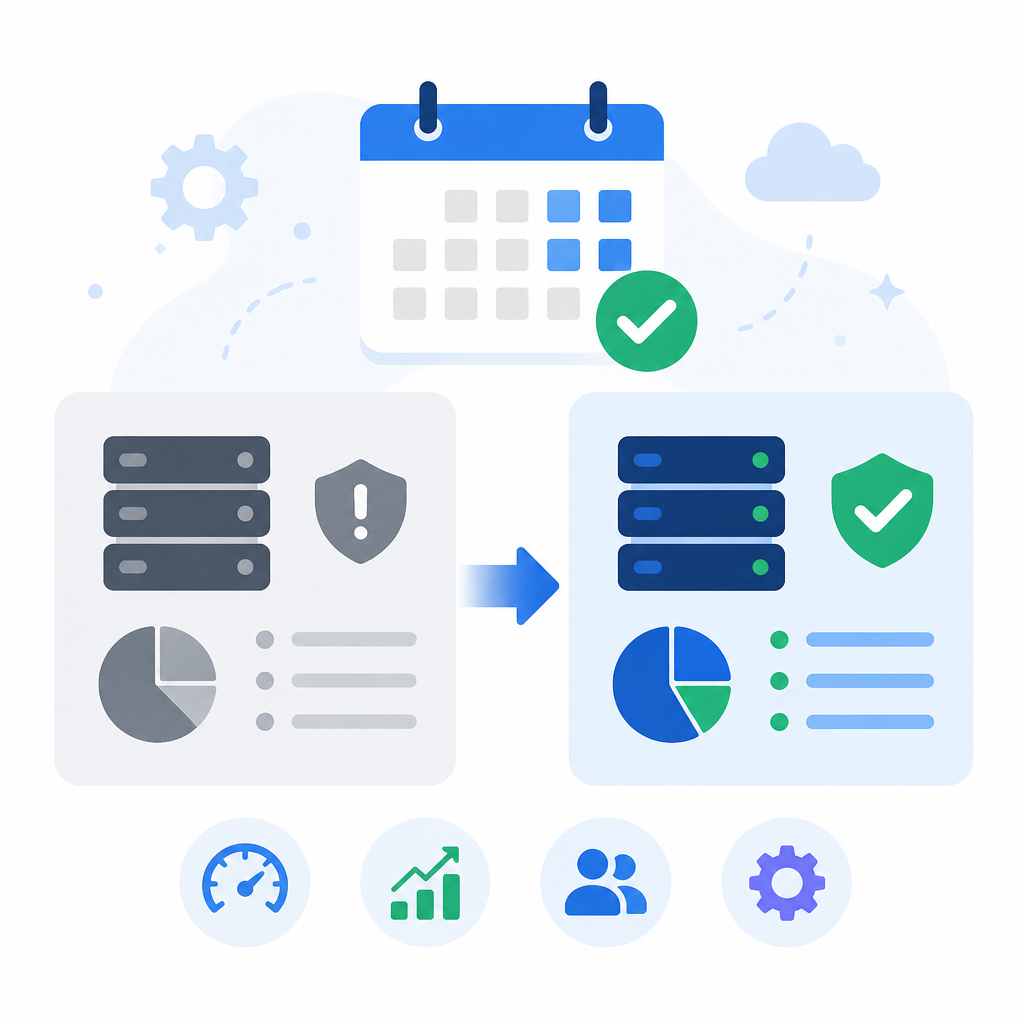
Earlier in the month, Play services v26.23 added a better way to manage WhatsApp backups through device settings, while v26.24 improved app blocking for supervised accounts and added a notice explaining how the current device screen lock is used for user data encryption.
Those changes do not sound flashy, but they tell you where Google is spending effort: payment handling, account controls, and device security. That is the kind of work users notice only when something breaks, which is exactly why it matters when it gets better.
- Wallet now shows account-based payment methods
- Flight check-in gets a smoother flow
- JPEG support arrives for ID portraits
- Screen-lock encryption notice appears in system settings
Security and developer plumbing get steady upgrades
The June notes also include quiet improvements for developers and device integrity. Play services v26.21 adds support for importing and exporting passwords and passkeys between Google Password Manager and third-party password managers using the Credential Exchange standard.
That is a real interoperability story, and it matters more than a lot of UI polish. Passkeys are easier to sell when people know they are not trapped inside one password app forever. Google is also adding new developer features for Maps-related and Device Connectivity processes, plus security enhancements for device connectivity services.
On the protection side, Play Store v51.8 adds extra security verifications for unverified apps through Google Play Protect. That is the kind of guardrail that can slow down sketchy sideloading without getting in the way of ordinary users who stay inside the store.
Here is the shorter version of what changed across the month:
- Play Protect adds more checks for unverified apps
- Credential Exchange now works with Google Password Manager
- Maps and Device Connectivity developer tools get new support
- System management updates improve performance and stability
One important caveat from Google’s own release notes: a feature appearing in the changelog does not mean it is already available everywhere. Some changes land quickly, while others show up slowly across regions, account types, and device classes.
That is why June 2026 feels less like a single release and more like a bundle of targeted adjustments. The visible stuff is the Play Store dialog refresh and the new Ask Play entry point. The more important long-term work is in payments, passkeys, supervised accounts, and Play Protect.
If you use Android daily, the practical question is simple: do you want the store to feel prettier, or do you want it to get better at handling identity, payments, and app safety? Google is clearly betting on both, and the next few monthly updates will show whether those changes become normal enough that nobody notices them anymore.
// Related Articles
- [IND]
GLM-5.3’s coding gains came from post-training
- [IND]
Anthropic’s data center push now has big capital backing
- [IND]
DailyArxiv turns arXiv keywords into a daily paper feed
- [IND]
Claude vs ChatGPT (2026): Is Claude Better?
- [IND]
CBDC Governance: Standards and Stakeholder Roles
- [IND]
Invisible AI watermarks are the right move for Claude