Anthropic adds watermarking across Claude products
Anthropic says Claude text can now be traced across API, apps, and cloud partners through new hidden watermarking.
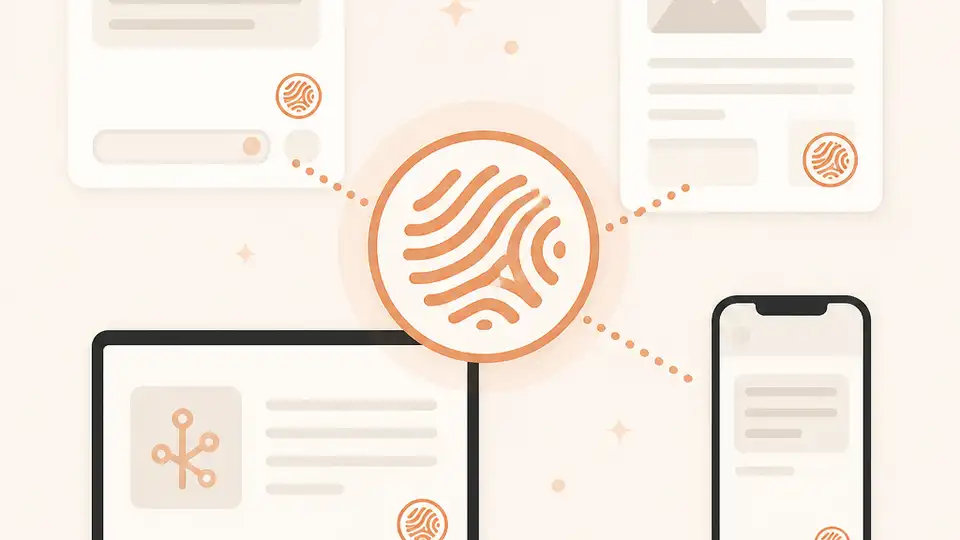
Anthropic is adding hidden watermarking across Claude text outputs and partner channels.
Anthropic says the marker system will cover its main products and access paths, including Claude, Claude Platform, Claude Code, Claude Cowork, and Claude Tag. The company also says the same system applies through cloud partners like AWS, Google Cloud, and Microsoft Foundry.
| Surface | Included in marker coverage | Access path |
|---|---|---|
| Claude | Yes | Direct product |
| Claude Platform | Yes | API |
| Claude Code | Yes | Direct product |
| Cloud partners | Yes | AWS, Google Cloud, Microsoft Foundry |
What Anthropic is actually changing
Get the latest AI news in your inbox
Weekly picks of model releases, tools, and deep dives — no spam, unsubscribe anytime.
No spam. Unsubscribe at any time.
The announcement is simple on paper but wide in reach: Anthropic wants text generated by Claude to carry an invisible marker that can be tracked across its own products and partner integrations. That means the change is not limited to one chat app or one API endpoint. It touches the full stack where Claude is sold and distributed.
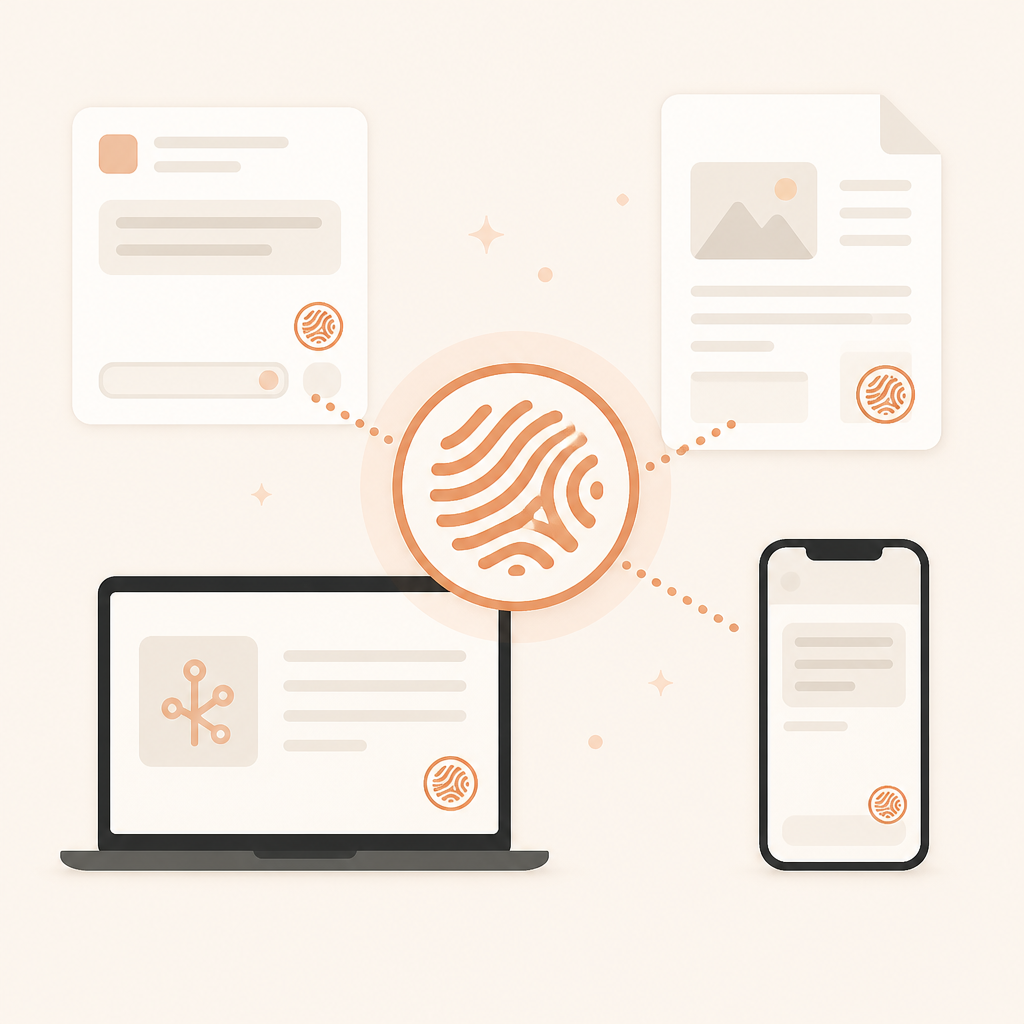
For developers, the important detail is scope. If a system is meant to identify outputs across multiple entry points, then the marker cannot live only in the consumer app. It has to travel with text generated through the API, coding tools, and cloud marketplaces too.
This kind of move matters because Claude is not a niche product anymore. Anthropic has pushed it into direct chat, developer tooling, and enterprise distribution, which makes any tracking layer more consequential than a feature buried in one product setting.
- Covered products: Claude, Claude Platform, Claude Code, Claude Cowork, Claude Tag
- Covered partners: AWS, Google Cloud, Microsoft Foundry
- Tracking target: all major text outputs
Why people are reacting so strongly
The backlash is easy to understand. A hidden marker changes the relationship between a model provider and the people using its output. Some users will read it as a safety measure. Others will see it as a way to make AI text easier to monitor, attribute, or police after the fact.
That tension is already visible in the public discussion around AI provenance. Google has experimented with content identification methods in its own ecosystem, and OpenAI has also spent years working on ways to identify machine-generated content. The difference here is the breadth of Anthropic's stated coverage and the fact that it extends into cloud distribution channels, not just one app.
“We want Claude to be useful, but we also want to be thoughtful about how it is used.”
That line from Anthropic co-founder and CEO Dario Amodei captures the company’s basic posture: utility first, guardrails close behind. It also explains why watermarking keeps coming back in AI policy debates. Vendors want traceability. Users want clarity about when and how their output can be identified.
What this means for developers and teams
If you build on Claude, the practical question is less philosophical and more operational. Will the marker affect latency, output quality, or downstream tooling that processes Claude text? Anthropic has not given those details in the source material here, so teams should treat the announcement as a policy shift until more technical documentation appears.
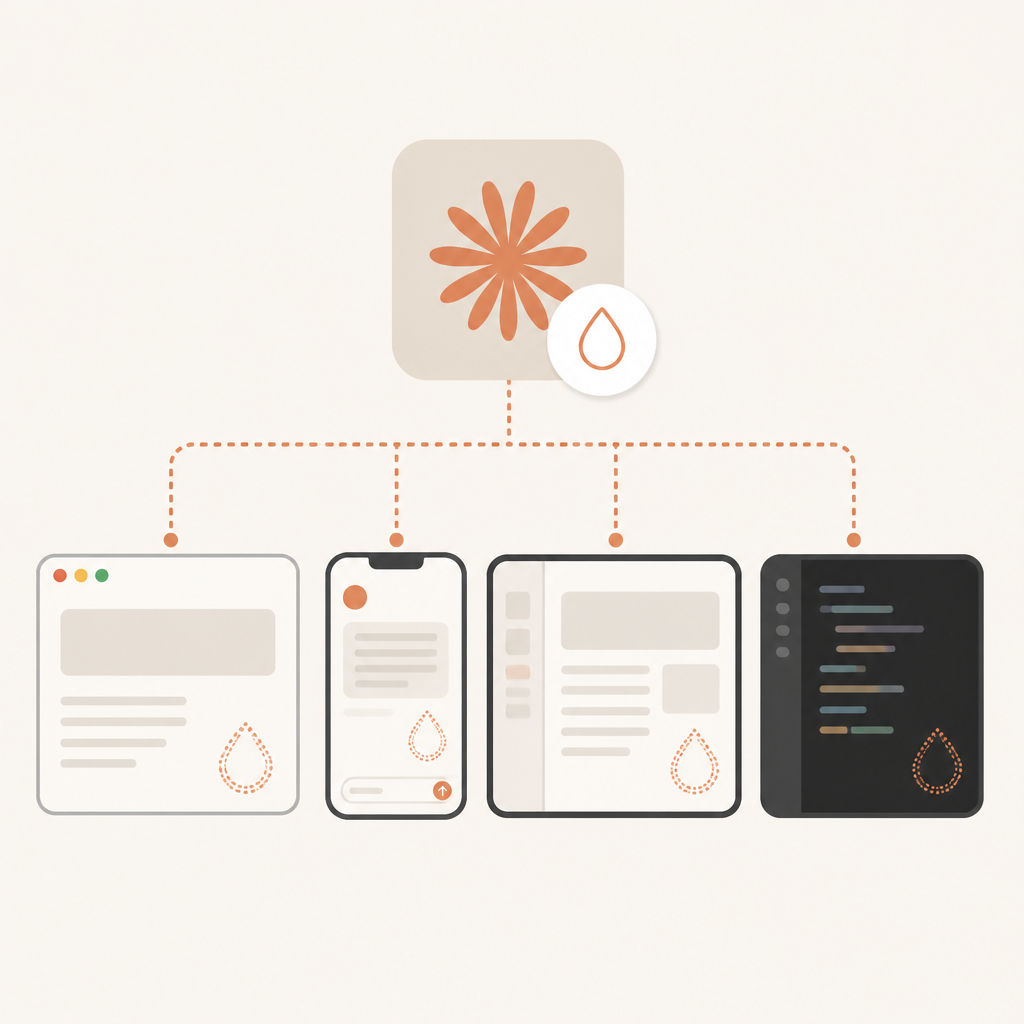
For product teams, there are a few direct implications. Internal review workflows may need to account for traceability. Compliance teams may want a clearer record of where Claude-generated text enters customer-facing systems. And anyone building on top of Claude through cloud partners should assume the same policy applies unless Anthropic says otherwise.
- API users may need to update governance and logging policies
- Enterprise teams may need to review disclosure and attribution rules
- Partner-hosted deployments are included, so channel-specific exceptions appear unlikely
The bigger issue is trust. If a model can mark its own output invisibly, then the debate shifts from whether AI text can be identified to who controls that identification and under what rules. That question will matter even more as Claude keeps moving deeper into enterprise workflows, coding assistants, and cloud marketplaces.
How this compares with other AI vendors
Anthropic is not alone in thinking about provenance, but its stated rollout is unusually broad. Some companies focus on consumer-facing labels. Others experiment with metadata or detection tools that live outside the model itself. Anthropic’s approach, at least from this announcement, ties the marker directly to the product family and the distribution channels.
That breadth makes the policy easier to enforce and harder to ignore. It also raises the stakes for integration partners, because a marker that travels with output across multiple surfaces can affect audit trails, moderation systems, and enterprise compliance checks.
- Anthropic: marker coverage across products and cloud partners
- OpenAI: broader work on AI identification and content handling
- Google Cloud: one of the listed partner channels
- AWS: one of the listed partner channels
For now, the key fact is straightforward: Anthropic is extending hidden watermarking across Claude’s main products and cloud routes. If your team uses Claude in production, the next step is to ask one question internally: where does Claude-generated text leave your system, and who needs to know that it came from Claude?
What happens next
If Anthropic publishes technical documentation, the debate will move from reaction to implementation. Developers will want to know whether the marker survives copy-paste, transformation, translation, or extraction into other tools. Security and compliance teams will want to know whether it can be detected reliably and whether it can be removed.
Until then, the announcement is best read as a policy signal with product-wide consequences. Anthropic is telling the market that Claude text is becoming more traceable across its own ecosystem and its cloud partners. The next real test is whether users accept that tradeoff, or start asking for AI systems that disclose provenance in a way people can actually see.
// Related Articles
- [MODEL]
Anthropic’s IPO talks skip valuation for now
- [MODEL]
Gemini 3.7 Flash arrives with faster coding gains
- [MODEL]
August 2026 model rankings: Claude leads text, Kimi coding
- [MODEL]
Qwen3.8-Max pushes Alibaba into the top tier
- [MODEL]
Qwen3.8-Max proves that agentic work is the real frontier
- [MODEL]
Google Earth Should Not Ship AI Image Generation