August 2026 model rankings: Claude leads text, Kimi coding
August 2026 rankings show Anthropic leading text, Kimi leading coding, and multimodal models moving toward full-modal systems.

August 2026 rankings put Claude on top for text and Kimi ahead in coding.
August 2026 model charts show a clear split: Anthropic keeps the text crown, while Kimi leads coding. The gap among the top closed models is shrinking, but the top tier is still tightly controlled by a small group of vendors.
| Model family | Area mentioned in the source | Ranking signal | Trend |
|---|---|---|---|
| Opus 4.6 / 4.7 | Text | Held the top spot during June | Anthropic internal rotation |
| Fable 5 / Opus 5 | Text | Held the top spot during July | Anthropic internal rotation |
| GPT-5.5 Pro | Text | Stayed near the 1500 line | Close behind the leader |
| Gemini 3.1 Pro | Text | Stayed near the 1500 line | Close behind the leader |
Anthropic keeps rotating the text lead
Get the latest AI news in your inbox
Weekly picks of model releases, tools, and deep dives — no spam, unsubscribe anytime.
No spam. Unsubscribe at any time.
The most striking detail in the source is how often the text leaderboard changes hands inside Anthropic itself. In June, Opus 4.6 and 4.7 sat at the top. In July, Fable 5 and Opus 5 took over. That is a sign of steady internal iteration, but it also tells us the market leader is no longer a single model name. It is a moving target inside one company.
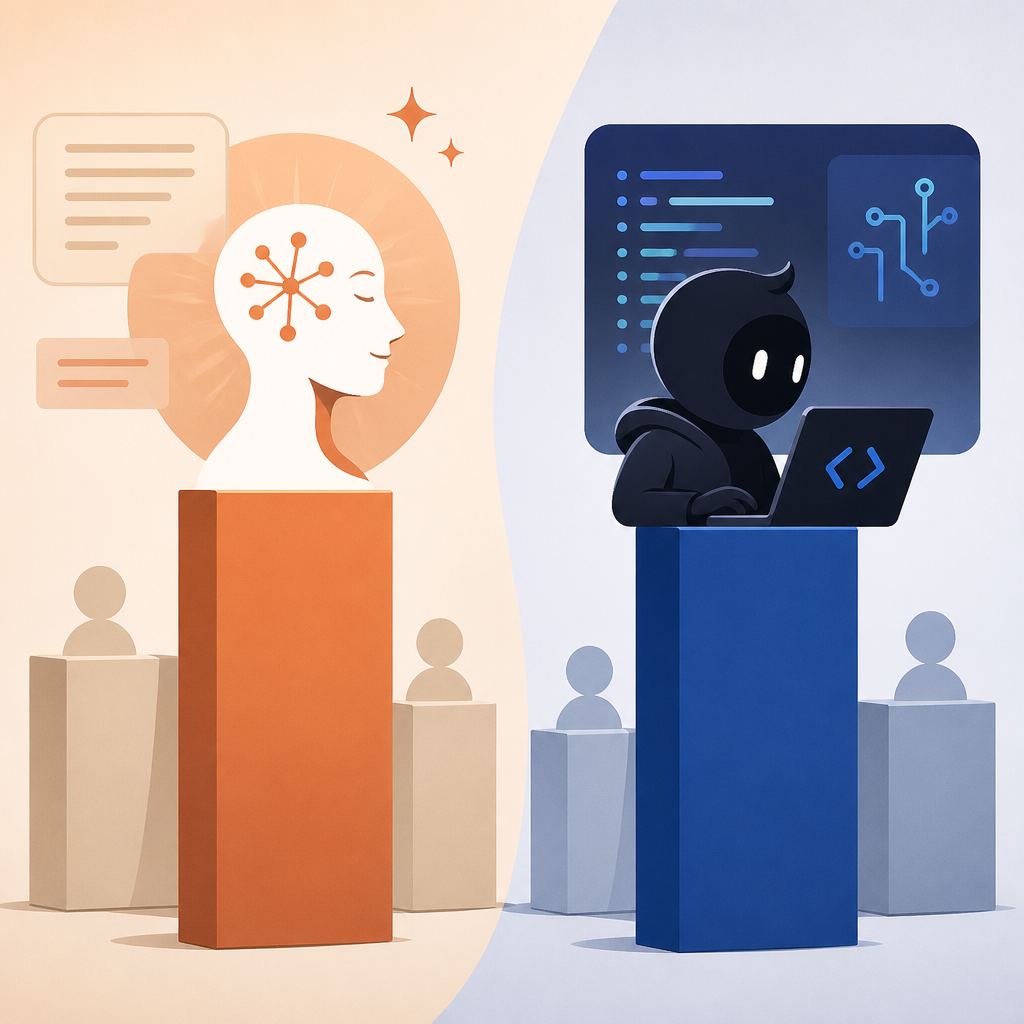
That matters because the competitors are not far away. OpenAI's GPT-5.5 Pro and Google Gemini 3.1 Pro both remain around the 1500 line, which means the gap is real but manageable. For teams choosing a model for production text work, that kind of spread often matters less than latency, price, and tool support.
- June text leader: Opus 4.6 / 4.7
- July text leader: Fable 5 / Opus 5
- Close challengers: GPT-5.5 Pro and Gemini 3.1 Pro
- Competitive pattern: top-tier models are converging
Kimi takes the coding crown
The coding picture is different. The source says Kimi dominates coding, which makes it one of the few clear category leaders in an otherwise crowded field. That is important because coding benchmarks often reward different traits than text benchmarks: longer context handling, instruction following, and the ability to keep state across multi-step tasks.
For developers, this split is useful. A model that writes polished prose may still lose to a different one when the job is code completion, debugging, or repo-wide reasoning. If your workflow mixes product copy, code review, and agentic editing, you may end up using two models rather than betting on one general winner.
"The best models are not always the best at everything." — Andrew Ng
That quote fits this market well. The source is basically describing specialization at the top end: one vendor leads text, another leads coding, and the rest sit close enough to keep pressure on both.
Multimodal models are moving toward full-modal systems
The source also points to a broader shift in multimodal AI. The wording about entering a "full-modal" era suggests that image, audio, video, and text are becoming less like separate features and more like one combined interface. That is a meaningful change for product teams, because the model choice is no longer just about chat quality.
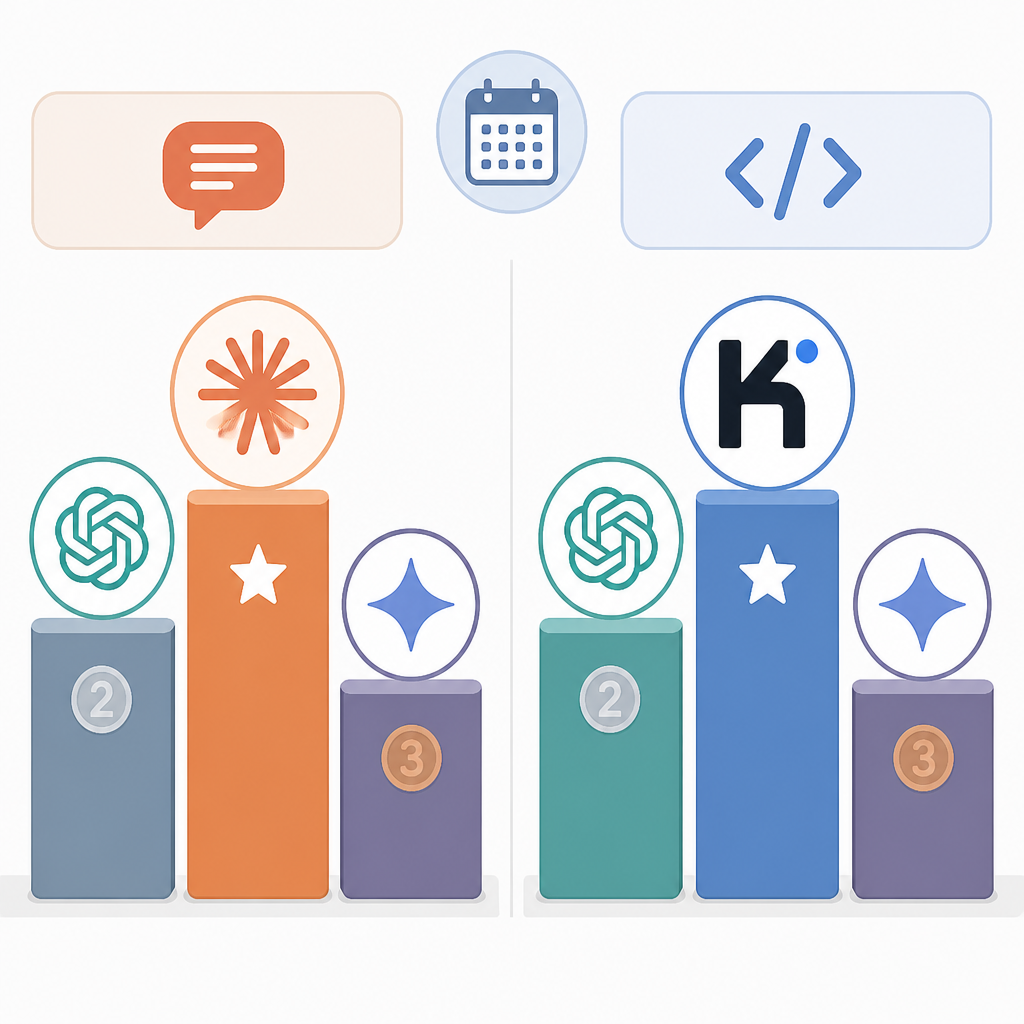
Once a model can handle more input types in one pass, the product design changes too. A support agent can read screenshots, summarize voice notes, and answer with structured text. A coding assistant can inspect diagrams and documentation together. The practical question becomes which model keeps its reasoning stable when the input mix gets messy.
- Text models are converging near the top
- Coding leadership is more clearly separated
- Multimodal systems are becoming a single workflow layer
- Model choice now depends on task mix, not raw benchmark rank alone
The top tier is still concentrated, but the spread is narrowing
The source makes one thing plain: closed models still dominate the top of the chart. The names change, but the companies do not. Anthropic, OpenAI, Google, and Moonshot keep showing up where the highest scores live, which means access to frontier performance is still concentrated in a small club.
What is changing is the distance between them. When several models cluster around the same score band, product teams get more room to optimize for cost, tool use, safety behavior, and deployment constraints. That is a healthier market than a single runaway leader, even if it is still far from open competition.
For builders, the takeaway is simple: stop asking which model is universally best. Ask which model is best for text, which one is best for coding, and which one can handle multimodal input without falling apart. The next model update is likely to shift the leaderboard again, but the bigger story is already visible now: specialization is winning at the top.
If August’s pattern holds, the next round of releases will matter less for who gets first place overall and more for which vendor can hold two categories at once.
// Related Articles
- [MODEL]
Qwen3.8-Max pushes Alibaba into the top tier
- [MODEL]
Qwen3.8-Max proves that agentic work is the real frontier
- [MODEL]
Google Earth Should Not Ship AI Image Generation
- [MODEL]
Try Claude Opus 4.7 and read its benchmarks
- [MODEL]
Opus 5 lets you cut cost without losing quality
- [MODEL]
OpenAI Cuts GPT-5.6 Prices as AI Bills Climb