Anthropic’s Mythos deal shows how AI access gets restored
1 deal brought Anthropic’s Mythos model back online after tense talks with the Trump administration.

Anthropic’s Mythos model went back online after a deal with the Trump administration.
One Friday agreement restored access to Anthropic’s Mythos model after days of negotiation, showing how government pressure can quickly reshape AI availability.
1. Anthropic
Get the latest AI news in your inbox
Weekly picks of model releases, tools, and deep dives — no spam, unsubscribe anytime.
No spam. Unsubscribe at any time.
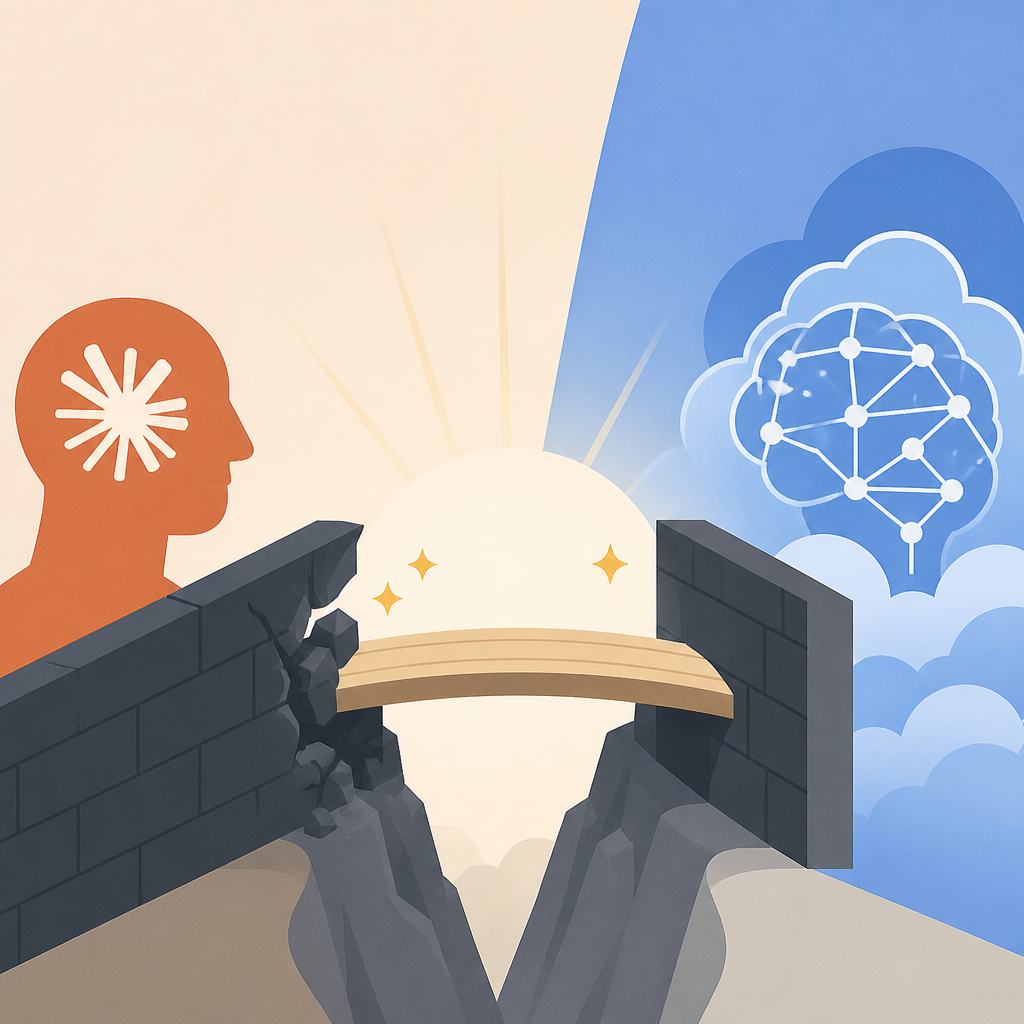
Anthropic is the company at the center of the deal, and Mythos is one of its most powerful models. The key point is not just that the model came back online, but that access depended on a direct resolution with federal officials.
- Company: Anthropic
- Model: Mythos
- Outcome: back online after negotiations
For readers tracking AI policy, this is a reminder that model availability is not only a technical issue. It can also become a political one when a system is considered sensitive enough to draw government attention.
2. The Trump administration
The Trump administration was the other side of the negotiation, and its role shows how much control regulators can exert over advanced AI deployments. Even without a public technical change to the model itself, policy pressure can still force a pause or a restart.
- Role: negotiated restrictions and restoration
- Effect: influenced whether the model stayed offline
- Signal: AI oversight is becoming a live policy tool
This matters because companies building frontier models now have to plan for more than product launches. They also need a strategy for fast-moving government review, especially when a model is seen as unusually capable or risky.
3. The Friday deal
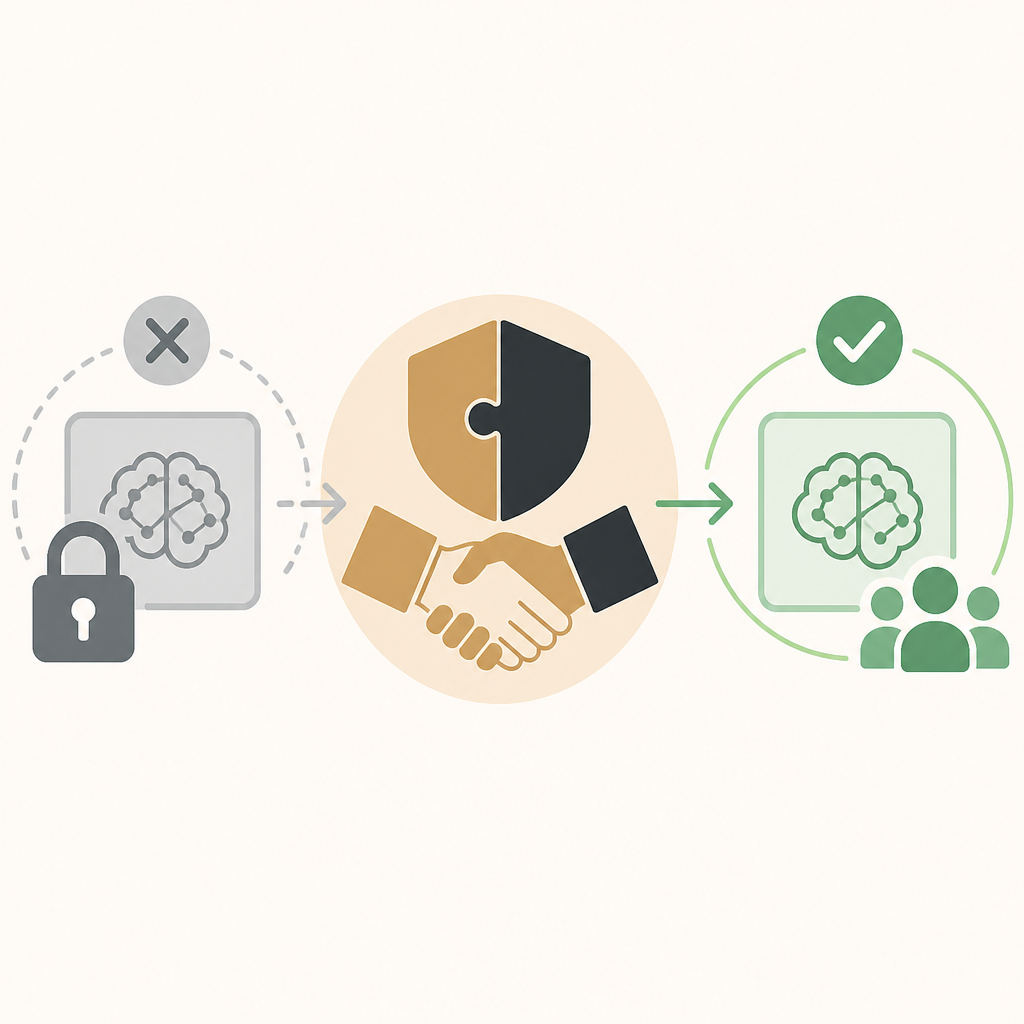
The deal itself is the turning point in the story. After days of tense talks, both sides reached an agreement that allowed Mythos to return, which suggests the restriction was temporary rather than a permanent ban.
Timeline
Days of negotiation → deal on Friday → Mythos back online
That sequence is important for anyone watching AI governance. It shows that access decisions can change quickly, and that a company may regain distribution after satisfying concerns raised by officials.
4. Model access and downtime
Mythos being taken offline, then restored, highlights a practical issue for users: access to AI tools can be interrupted even when the model itself has not changed. For teams that depend on a specific model, downtime can affect product testing, workflows, and customer commitments.
- Risk for users: interrupted service
- Risk for companies: lost trust during outages
- Risk for developers: sudden need to switch models
That makes model choice more than a performance decision. Buyers may also need to ask who can pull the plug, under what conditions, and how quickly service can return after a dispute.
5. AI regulation pressure
The episode fits a broader pattern in which powerful AI systems are drawing closer scrutiny from governments. The more capable the model, the more likely it is to face questions about safety, access, and oversight before it can operate normally.
- Focus area: safety and control
- Business impact: slower launches, more compliance work
- Policy impact: stronger precedent for intervention
For the AI industry, this kind of deal can become a template. It suggests that future disputes may be settled through negotiation rather than long public fights, especially when both sides want a model back in use.
How to decide
If you follow AI policy, the Anthropic case is the one to watch because it shows how quickly access to a major model can be restricted and restored. If you are a builder or buyer, the lesson is simpler: model capability matters, but so does the political and regulatory path that keeps it available.
For enterprise teams, the best takeaway is to treat model access as a dependency with risk, not a permanent guarantee. For policymakers and analysts, the deal is evidence that government pressure can shape the release cycle of frontier AI systems in real time.
// Related Articles
- [IND]
Moka AI Is a Stronger HRMS Choice for Growing Teams
- [IND]
August 2026 Market Review: AI Stocks Flipped Fast
- [IND]
Pixel 11 launch live: every Google reveal
- [IND]
Anthropic’s invisible watermark is the right move
- [IND]
Docker’s latest releases now center security and Compose
- [IND]
Bitcoin’s busy week was a security wake-up call