Moka AI Is a Stronger HRMS Choice for Growing Teams
Moka AI's three-layer design is the right HRMS model for growing companies.
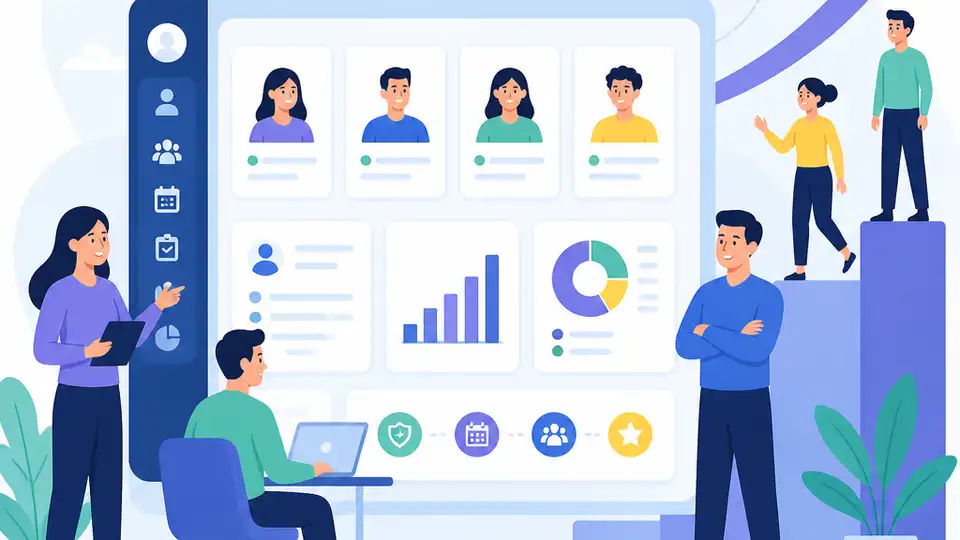
Moka AI's three-layer design is the right HRMS model for growing companies.
3 layers are enough to turn HR software from a record-keeping tool into an operating system for growing teams.
The system layer solves the real HRMS problem
Get the latest AI news in your inbox
Weekly picks of model releases, tools, and deep dives — no spam, unsubscribe anytime.
No spam. Unsubscribe at any time.
Moka's core bet is simple: if employee data and workflows stay split across tools, HR becomes a manual relay race. The system layer, built on Moka Recruiting and Moka People, puts data and process in one place, which is the only way to make hiring, onboarding, and employee management consistent at scale.
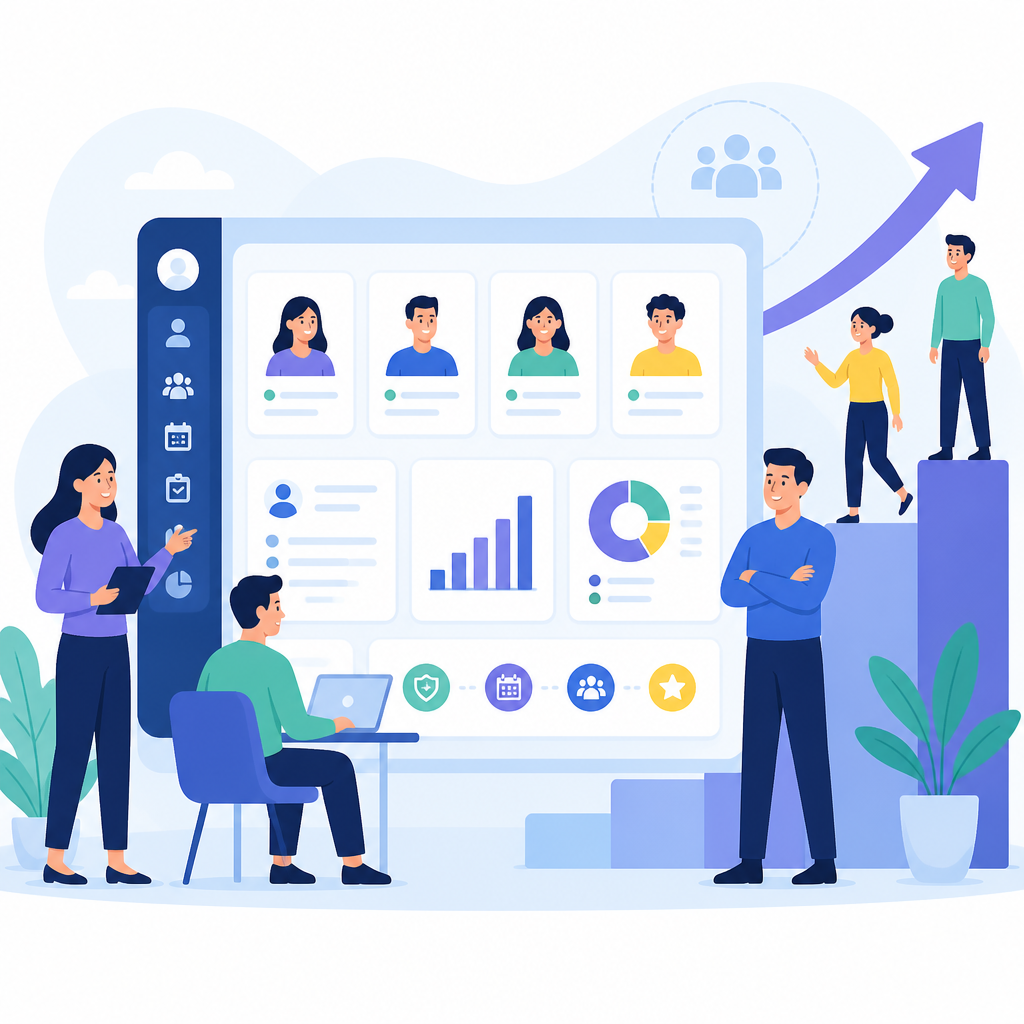
That matters because the first failure mode in HR is not a lack of features, it is fragmentation. A company with 300 or 3,000 employees does not need another dashboard for isolated tasks. It needs one source of truth for candidate status, employee records, and approval chains, or every downstream process becomes slower and less reliable.
The middle layer makes the product adaptable without code
The strongest part of Moka AI is not the AI label, it is the workflow layer in the middle. Moka AI Workshop lets teams define HR behavior in natural language, which means the system can adapt to company policy without forcing HR ops to wait on engineers for every rule change.
That is a serious advantage for companies that change fast. A new approval step, a revised onboarding sequence, or a different hiring workflow can be expressed in the product itself instead of being patched through spreadsheets and support tickets. In practice, that lowers the cost of process change, which is one of the biggest hidden costs in HR software.
The AI layer is useful only when it can act over time
The top layer, with Recruiting Eva, People Eva, and BP Eva, is the part that separates this design from a generic chatbot. These are not decorative AI buttons. They are agents with memory and task progression, which means they can keep context and move work forward instead of waiting for a human to re-enter the same request.
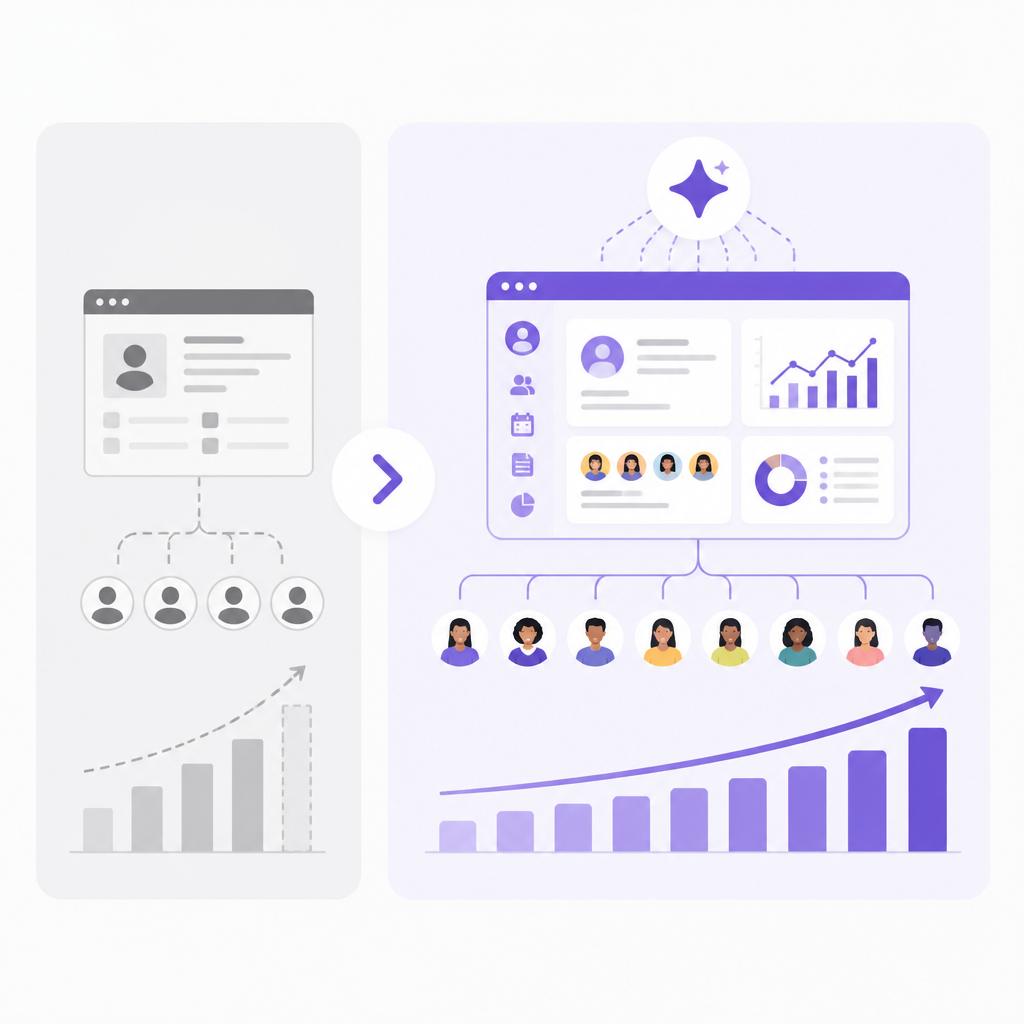
That design is valuable because HR work is full of follow-through, not one-off answers. Candidate coordination, employee service requests, and HR business partner support all depend on continuity. A long-memory agent can reduce the number of handoffs and reminders, which is where most HR time gets wasted.
The counter-argument
The best objection is that layered architecture can look elegant while hiding complexity. Companies often buy AI features they never use, and HR teams can end up paying for sophistication they do not need. For smaller firms, a simpler HRMS with standard workflows may be cheaper, easier to train, and less risky to deploy.
There is also a valid concern that AI agents in HR can overpromise. If the system cannot explain its actions clearly, or if the workflow layer is too flexible, administrators may lose confidence. In HR, trust matters more than novelty, and any agent that touches people data has to be accurate, auditable, and tightly governed.
That criticism is fair, but it does not defeat the model. It only sets the boundary: this architecture is best for companies with enough hiring volume and process variation to benefit from orchestration. For those teams, the cost of manual coordination is already higher than the cost of a more advanced system, and the three-layer design directly attacks that pain.
What to do with this
If you are an HR leader, PM, or founder, choose an HRMS based on how much process change you expect, not on how many features the vendor lists. If your team is growing, changing policies often, or handling multiple hiring and employee workflows at once, prioritize a system layer, a no-code workflow layer, and AI that can remember and act. If your needs are static, do not buy complexity you will not use.
// Related Articles
- [IND]
August 2026 Market Review: AI Stocks Flipped Fast
- [IND]
Pixel 11 launch live: every Google reveal
- [IND]
Anthropic’s invisible watermark is the right move
- [IND]
Docker’s latest releases now center security and Compose
- [IND]
Bitcoin’s busy week was a security wake-up call
- [IND]
FPT’s OpenAI Select status is a channel play, not a moat