Bitcoin’s busy week was a security wake-up call
8 Bitcoin ecosystem updates showed how swaps, audits, wallets, and policy can move fast when security breaks.
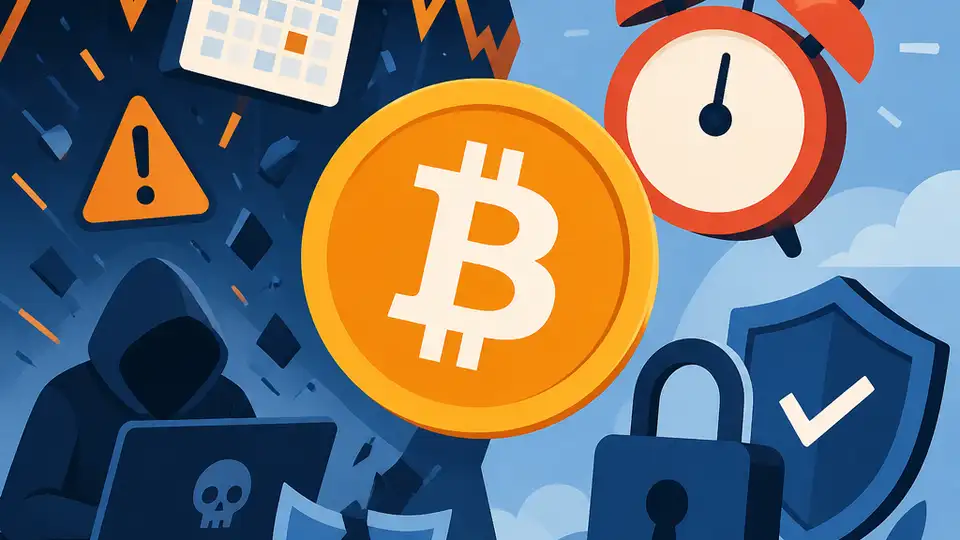
This recap covers eight Bitcoin updates, from swap outages and wallet flaws to policy moves and audits.
| Item | What happened | Why it matters |
|---|---|---|
| Boltz | Swap service paused | Shows how quickly L2 bridge risk can spill into users |
| Bitcoin Red Team | 4,962 findings across 390 projects | Signals wide security exposure across the stack |
| Coldcard | RNG flaw and theft reports | Highlights seed generation risk in hardware wallets |
| Strategy | Sold 1,638 BTC for $104.7M | Tracks treasury behavior under market pressure |
1. Boltz paused swaps, and Blockstream moved fast
Get the latest AI news in your inbox
Weekly picks of model releases, tools, and deep dives — no spam, unsubscribe anytime.
No spam. Unsubscribe at any time.
Boltz stopped its swap service after an attack pattern it said was iterating faster than the team could fix it. That matters because Boltz sits at a busy intersection for Bitcoin users moving between Lightning and Liquid, where outages can affect routing, liquidity, and trust in non-custodial bridges.
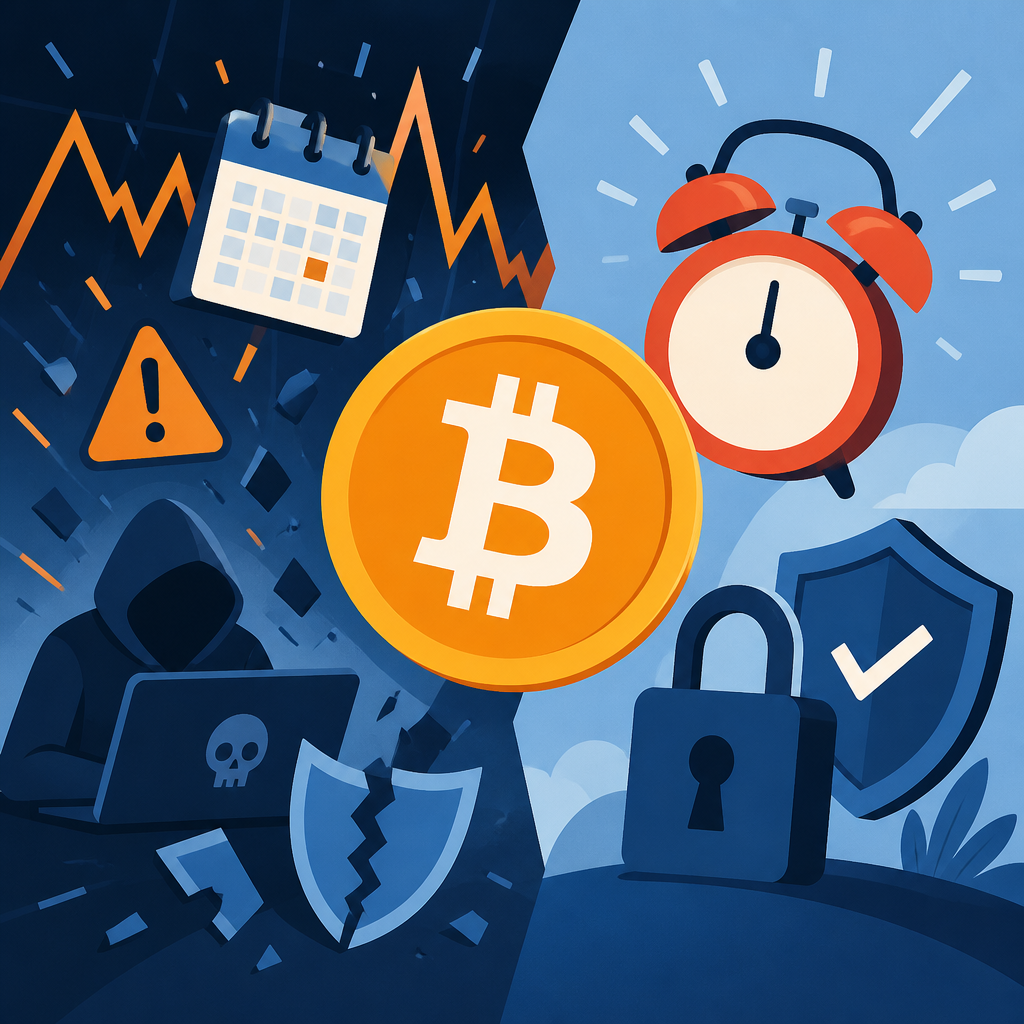
Boltz said refunds would still work cooperatively, and unilateral refunds would not depend on its infrastructure. Soon after, Blockstream announced a new swap feature, framing the moment as a reminder that ecosystem partners need backup paths when one service is under stress.
- Service status: swaps disabled until further notice
- Fallback: cooperative and unilateral refunds still available
- Scope: Lightning and Liquid users were the main audience
2. Bitcoin Red Team exposed how wide the audit surface is
The most striking number of the week came from Bitcoin Red Team: 4,962 findings across 390 projects in just 27.5 hours. The team said 16 people were working around the clock, which turns this into more than a bug hunt. It is a map of how much Bitcoin infrastructure depends on code that rarely gets this level of scrutiny.
For builders, the lesson is simple: security work is not limited to core protocol code. Wallets, libraries, bridges, and tooling all sit inside the same risk chain, and the audit results suggest that chain is larger than many users assume.
- People involved: 16 globally distributed researchers
- Findings: 4,962 total
- Severity: 85 critical, 635 high
3. Coldcard’s RNG failure became the week’s most serious wallet story
The Coldcard incident dominated security discussion because the flaw was not theoretical. Reports said seed generation on affected devices could fall back to predictable software randomness, which means the wallet’s most sensitive output may have been weak from the start. Updating firmware does not fix seeds that were already created.
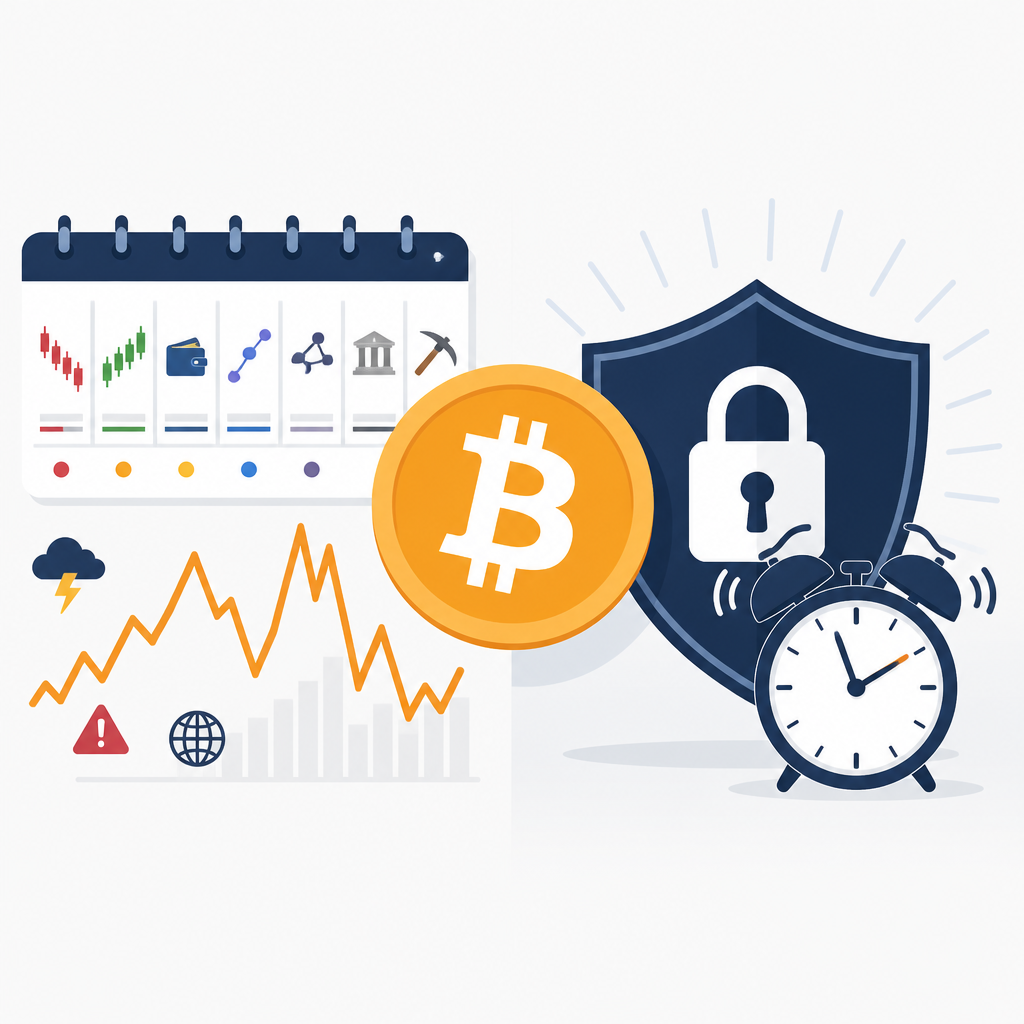
That is why the recommended response was immediate fund migration, often into a fresh wallet built with a different entropy source. The broader takeaway is that hardware wallet safety is not just about device reputation. It is about how randomness is produced, verified, and diversified.
- Affected range: Coldcard MK2 to MK5 and Q, depending on firmware path
- Risk: low-entropy seed generation
- Best practice: move funds to a newly created wallet
4. The Coldcard postmortem showed why one vendor is not enough
Several writeups went beyond the exploit itself and focused on process failures. The common thread was that a small code change, a weak review process, and too much trust in one implementation can create long-lived damage. One article argued that the real fix is not only better firmware, but a wallet setup that does not depend on a single vendor’s entropy path.
That is why multisig kept coming up. A setup that mixes devices from different makers reduces the chance that one flawed codebase can expose the whole stack. It also fits the Bitcoin habit of verifying claims with independent checks rather than relying on brand confidence.
- Mitigation: multisig with different vendors
- Risk pattern: predictable seeds can persist for years
- Operational lesson: audit the randomness path, not just the UI
5. Policy pressure kept rising in Russia and Taiwan
On the policy side, Russia issued new rules that restrict mining activity in Moscow and nearby regions through the end of 2032, while also publishing a law on digital currency and digital rights. Taiwan’s Financial Supervisory Commission also signaled new customer-information transfer requirements for crypto platforms starting in October.
These moves matter because they show two different regulatory styles: one aimed at controlling mining activity, the other at tightening platform reporting. For exchanges, miners, and service providers, compliance work is becoming part of the product roadmap, not a side task.
- Russia: mining and mining pool participation restrictions
- Taiwan: customer info transmission for domestic platform transfers
- Japan: the FSA also announced stronger anti-fraud measures
6. BitMEX Research’s shutdown closed a long-running source of Bitcoin data
BitMEX said it will end operations in September 2026, and that means BitMEX Research is also winding down after nearly a decade. The research account has already shifted to Farside, while tool sponsorships moved to Localhost Research.
This is not just a branding change. BitMEX Research helped shape how many people track Bitcoin market structure, on-chain behavior, and exchange flows. When a familiar data source changes hands, readers need to check whether methodology, coverage, or incentives have changed too.
7. Cloudflare Wallets and x402 pointed to a new payment layer for agents
Cloudflare announced Wallets for AI agents that need to pay for APIs and prove identity while spending. At the same time, Glassnode said it is integrating the x402 protocol into its on-chain data catalog. Together, those moves suggest a growing market for machine-to-machine payments that can be authenticated and billed without a human clicking through every step.
For Bitcoin observers, this is worth watching even when the tooling is not Bitcoin-native. Payment rails that support agents, billing, and identity could later connect back into Bitcoin infrastructure, especially where settlement, APIs, and data access overlap.
8. Strategy sold more Bitcoin, while the market watched treasury behavior
Strategy said it sold 1,638 BTC for about $104.7 million. That is a reminder that even the most watched corporate Bitcoin holder can change course when balance sheet needs or market conditions shift.
For readers tracking treasury strategy, the important question is not only how much BTC a company holds. It is when it buys, when it trims, and how those moves fit into broader financing decisions. In a week full of security stories, this one added a capital-allocation angle to the recap.
How to decide what matters most
If you care about user safety, start with the Coldcard coverage and the Bitcoin Red Team audit. Those stories speak to the real failure modes that can cost money fast. If you run infrastructure, Boltz and the Cloudflare Wallets items are the best signals for where payments and swap services are heading.
If your focus is policy or market structure, keep an eye on Russia, Taiwan, BitMEX Research, and Strategy. They show that Bitcoin is being shaped at the same time by regulators, data providers, and corporate treasury decisions.
// Related Articles
- [IND]
FPT’s OpenAI Select status is a channel play, not a moat
- [IND]
Anthropic’s watermarking move is the right default for AI text
- [IND]
5 banking workflow patterns SAS Viya keeps governed
- [IND]
Wall Street backs Nvidia’s AI financing push
- [IND]
Claude Code Is No Longer the Clear Front-Runner
- [IND]
Anthropic Builds Its Own Chip Team for Claude