Anthropic’s open-model fight reveals its lonely AI stance
Anthropic’s stance on open models shows 4 ways AI policy, safety, and market power are colliding around Claude.
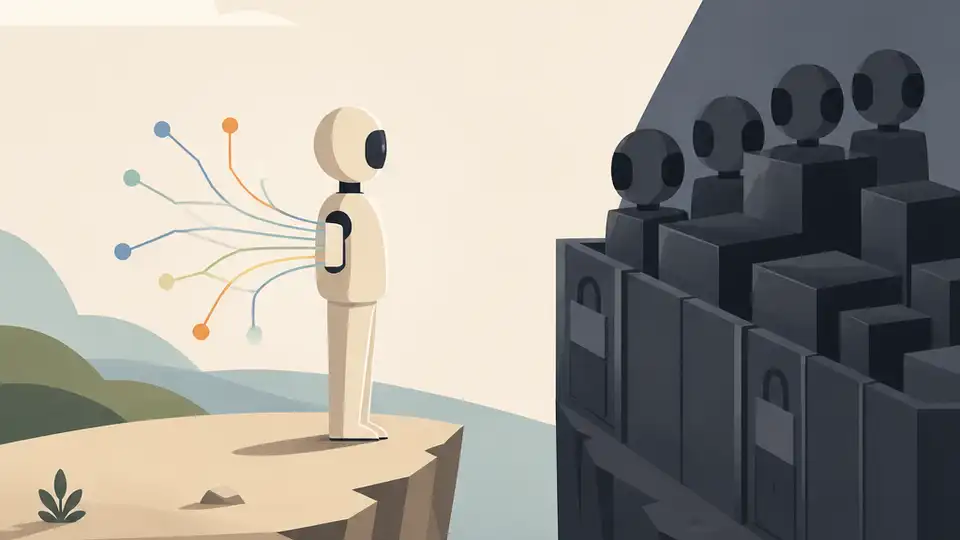
Why is Anthropic fighting open-model critics while staying out of a major AI letter?
Anthropic is defending its AI safety stance while avoiding a public split over open models.
1. The policy dispute
Get the latest AI news in your inbox
Weekly picks of model releases, tools, and deep dives — no spam, unsubscribe anytime.
No spam. Unsubscribe at any time.
Anthropic CEO Dario Amodei tried to cool the backlash by saying the company has never asked for a ban on open models. But the timing still matters: the debate is about whether model access should be broad by default or shaped by tighter safeguards.
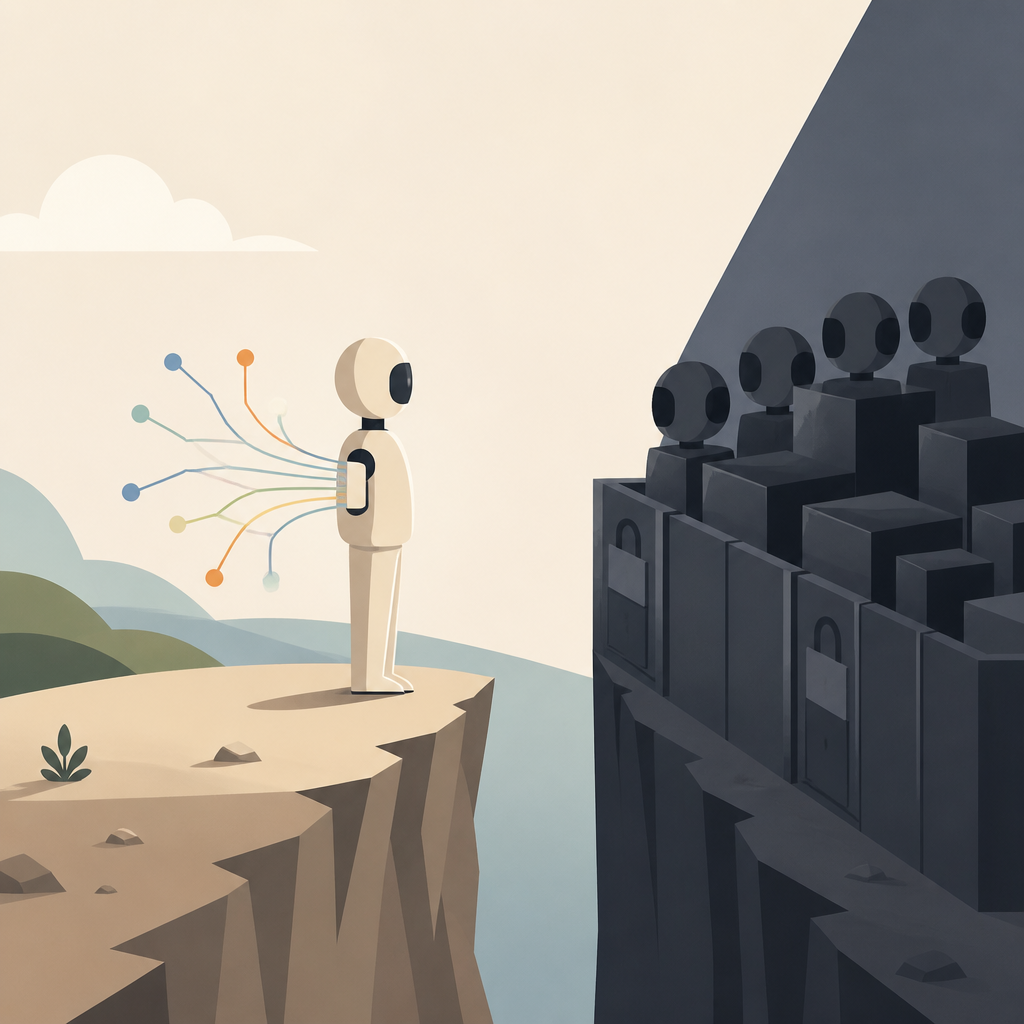
The dispute matters because open models are now part of the AI policy test, not just a technical preference. When companies disagree in public, they are also signaling where they think the next rules should land.
- Anthropic says it is not pushing for an open-model ban.
- Amodei published a blog post to make that point directly.
- The company still did not sign the letter that sparked the fight.
2. Claude’s market position
Anthropic is no small player in this argument. It is the maker of Claude, one of the best-known frontier chatbots, and the company has become a major voice in AI safety discussions even as it competes with much larger platforms.
That combination makes every policy statement feel bigger than a normal corporate comment. When a company with Claude’s profile speaks about model access, others hear a signal about what a powerful AI lab thinks the industry should tolerate.
- Anthropic is the company behind Claude.
- Claude is positioned as a frontier model family.
- The company’s size gives its policy views extra weight.
3. Why open models keep coming up
Open models are attractive because they let developers inspect, modify, and deploy AI systems with fewer gatekeepers. Supporters say that helps competition and research; critics say it can also make misuse easier and weaken control over risky capabilities.
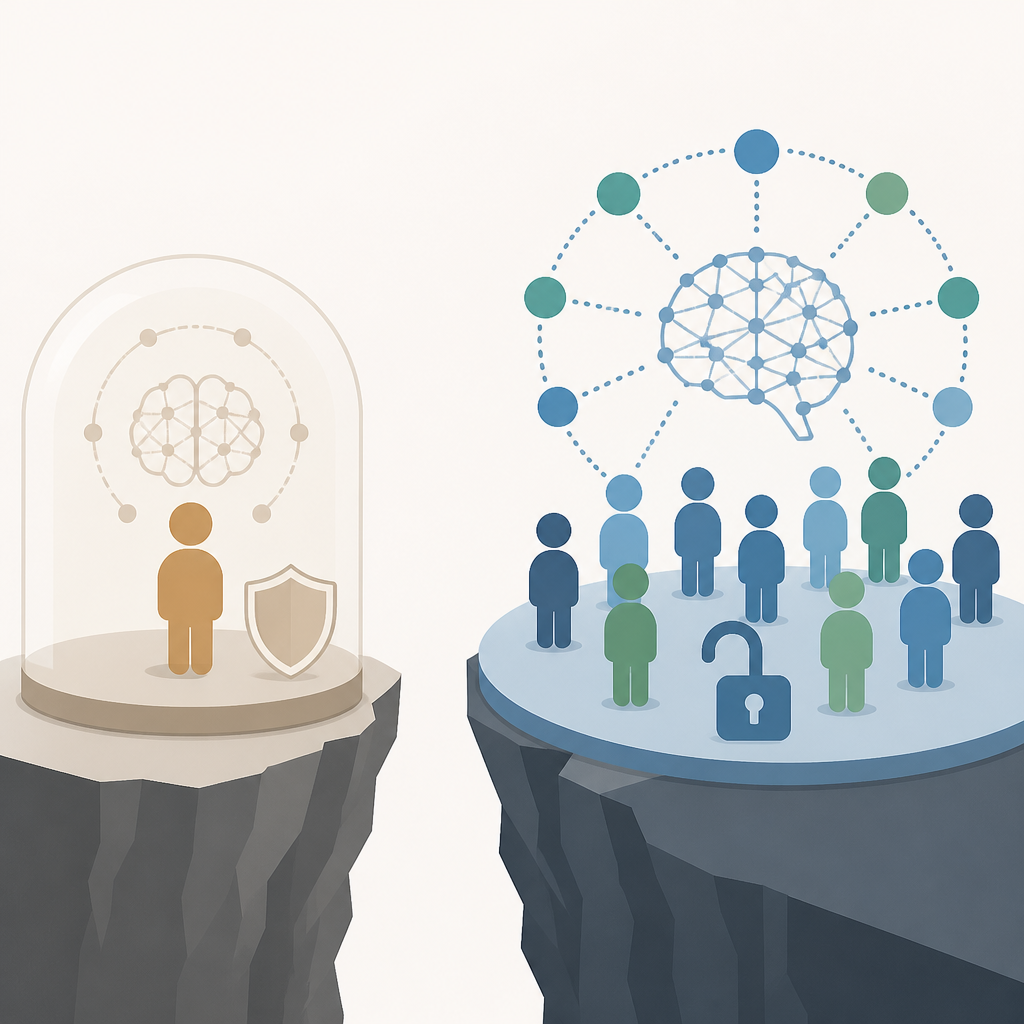
This is why the current argument is not only about code access. It is about who gets to set the default rules for powerful AI systems: vendors, governments, researchers, or the broader developer community.
- Open models can be downloaded and adapted more freely.
- They can speed up research and product development.
- They can also lower barriers for harmful use.
4. Anthropic’s safety-first brand
Anthropic has built its public identity around safety, alignment, and careful deployment. That brand gives the company credibility with policymakers, but it also creates tension when the market wants faster releases and more open access.
So even if Anthropic says it is not anti-open-model, its reputation makes people read between the lines. In AI, the gap between stated intent and perceived stance can become the story itself.
- Safety messaging is central to Anthropic’s public image.
- That image helps in policy conversations.
- It can also make the company look more restrictive than it claims to be.
5. The isolation problem
Amodei’s move shows a company trying to avoid being boxed into one side of a fast-moving industry fight. Anthropic wants to argue for safety without appearing to endorse a blanket clampdown on open models, and that is a hard line to hold in public.
The result is a familiar startup problem at a much larger scale: the more valuable the company becomes, the more every statement is treated like a strategic position. For Anthropic, that means staying clear in principle while staying careful in alliances.
- Anthropic is trying to separate safety advocacy from anti-open-model politics.
- It declined to join the letter at the center of the dispute.
- Its public silence on some alliances is now part of the story.
How to decide
If you care most about AI policy, Anthropic is worth watching as a signal of how frontier labs want regulation to evolve. If you care about product choice, Claude remains a strong option, but the company’s public posture suggests it will keep emphasizing controlled deployment over maximal openness.
For readers tracking the industry, the key question is not whether Anthropic likes open models. It is how a top-tier AI company balances safety claims, market pressure, and political risk while trying not to pick a side too loudly.
// Related Articles
- [IND]
Kimi K3 pushes open-weight AI toward default
- [IND]
Immich Docker Compose setup that avoids common errors
- [IND]
Millions Raised for Zhipu-style Social World Model
- [IND]
Anthropic’s Book Scanning Strategy Could Set a Pattern
- [IND]
Huang’s open-letter playbook for open-weight AI
- [IND]
32 firms back open-weight AI in DC letter