Backrooms ending explained: What happens to Mary?
IGN breaks down Backrooms’ ending, where Clark’s memory loops, Mary reaches Async, and her fate remains unclear.
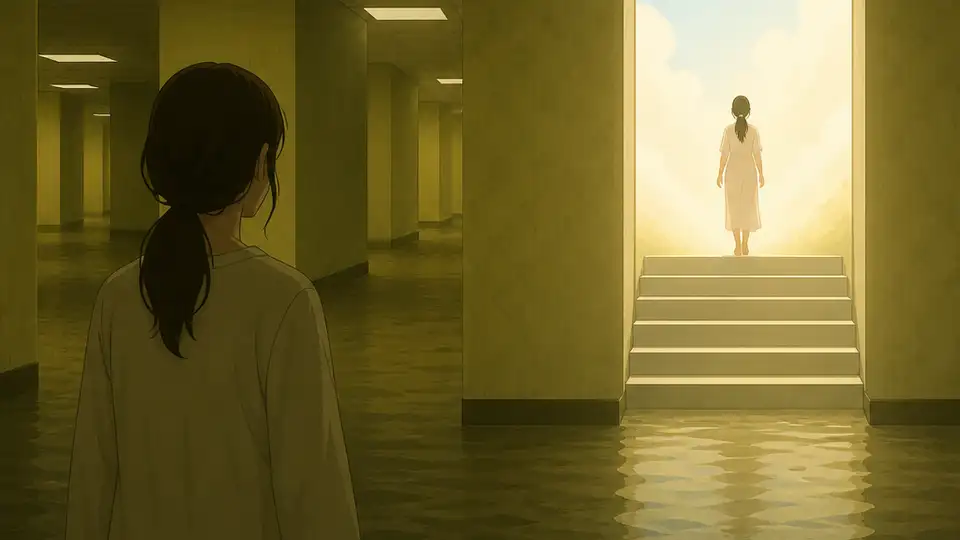
IGN explains Backrooms’ ending, where Mary reaches Async and Clark is consumed by his own remembered self.
Backrooms, Kane Parsons’ feature debut, ends with Mary Kline reaching the same liminal spaces that trapped Clark and his staff, then landing in Async’s hands after a violent escape. The film leaves Mary’s fate unresolved, but its final image suggests the rooms have already “remembered” her too.
| 項目 | 數值 |
|---|---|
| Film release | May 29, 2026 |
| Director | Kane Parsons |
| Updated | Jun 3, 2026 |
| Main characters | Clark, Mary Kline, Phil |
| Key setting | Async Research Institute |
What changed
Get the latest AI news in your inbox
Weekly picks of model releases, tools, and deep dives — no spam, unsubscribe anytime.
No spam. Unsubscribe at any time.
Clark, played by Chiwetel Ejiofor, is no longer just a trapped store owner searching for a way out. By the end, he has adapted to the Backrooms, built a strange routine there, and admits he has grown comfortable with life inside the spaces.
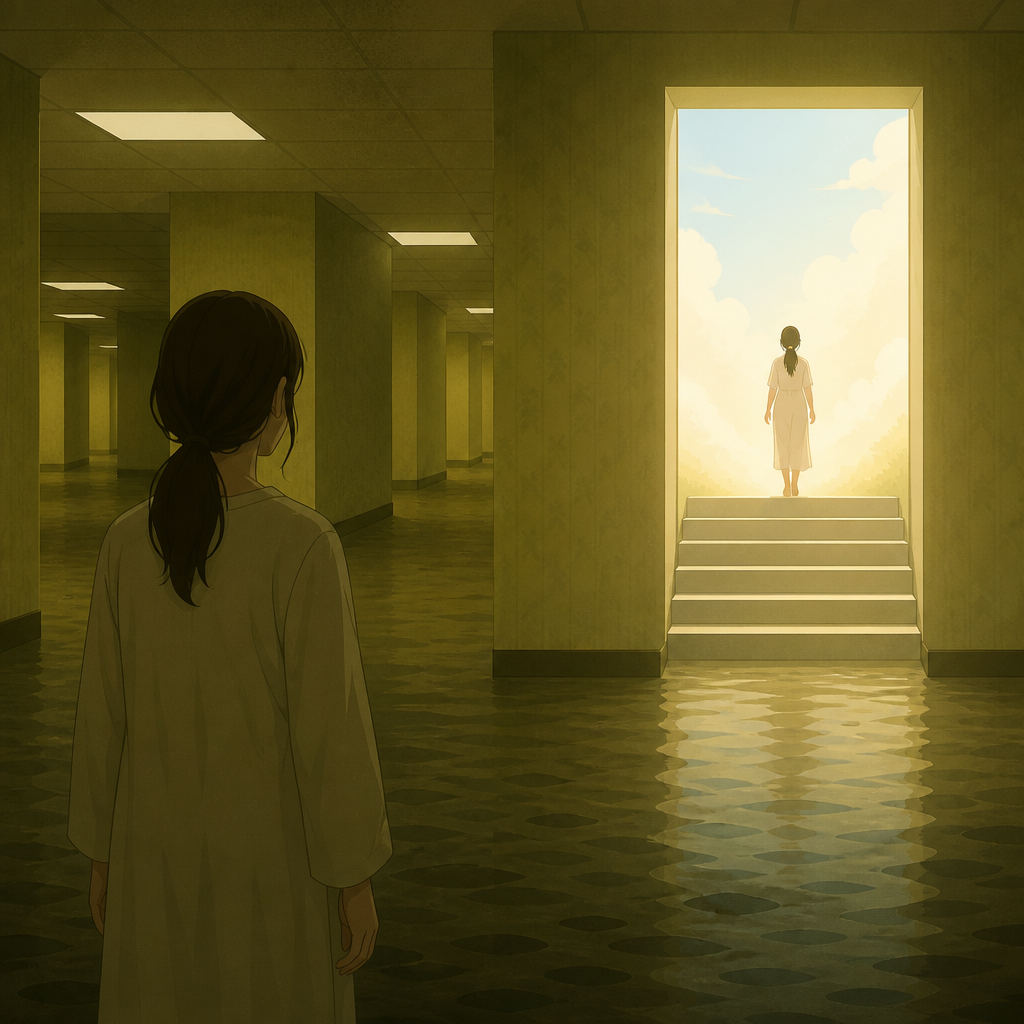
Mary Kline, played by Renate Reinsve, follows Clark through the null zone after realizing he is missing. She reaches the dinner-table room, where Clark has tied her up, surrounded by distorted figures the film frames as “Still Lifes” rather than simple monsters.
- Overdue notices under the furniture store door show time has passed.
- Clark’s employees are implied to have been trapped too.
- The film suggests the Backrooms “remember” people as distorted versions of themselves.
- Clark’s remembered self, Captain Clark, kills the original Clark.
That self-destruction is the film’s clearest turning point. Clark tries to apologize and free Mary, but Captain Clark appears and eats him alive, ending the version of Clark who still had a chance to return to the real world.
Mary then escapes the dining room, only to be chased through another remembered version of the furniture store. She breaks Captain Clark’s peg leg, smashes his face, and is gassed before waking inside the Async Research Institute.
Why it matters
The ending shifts the story from survival horror to memory horror. The Backrooms are not just empty spaces; they appear to store people, places, and identities as warped copies, which makes Mary’s final scene more ominous than a simple rescue setup.
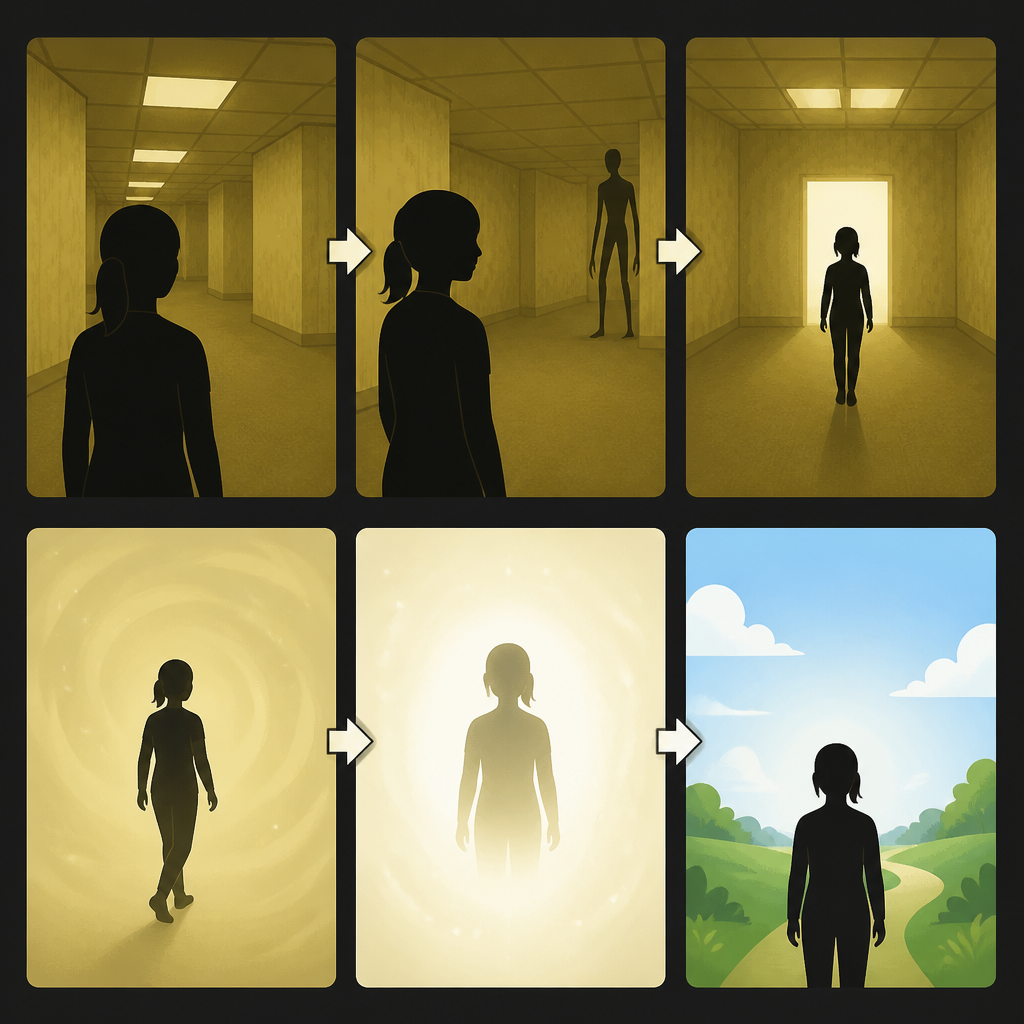
Async also becomes the bigger question. Phil, the researcher who interviews Mary, says his job is to study the Backrooms and that the work matters more than anything else. The film hints that Async may have once been an MRI company, tying its research to memory, mapping, and the creation of the spaces themselves.
For developers and horror fans, that leaves the sequel hook in plain view: the movie is less interested in explaining the rules than in showing how the rules consume people. Mary may be physically alive, but the final shot suggests she has already become part of the Backrooms’ record.
So the real question is not whether Mary escapes, but whether anyone in this world ever truly leaves once the rooms have learned their name.
// Related Articles
- [IND]
Why Cloudflare’s VoidZero deal is a win for Vite
- [IND]
Why Kane Pixels Should Direct the Backrooms Movie Himself
- [IND]
5 adoption gaps AI teams need to close
- [IND]
Why Gemini Drops Matter More Than the Model Names
- [IND]
Why Solana’s price page is more useful than its hype
- [IND]
Linux Kernel: From Hobby Project to Core Infrastructure