Booz Allen and OpenAI push frontier AI into defense
2 firms are pushing frontier AI into defense, pairing mission expertise with secure integration for US defense, intelligence, and infrastructure.

What does the Booz Allen and OpenAI partnership mean for defense missions?
Booz Allen and OpenAI are pairing frontier AI with defense mission know-how.
1. A partnership built for defense missions
Get the latest AI news in your inbox
Weekly picks of model releases, tools, and deep dives — no spam, unsubscribe anytime.
No spam. Unsubscribe at any time.
Booz Allen Hamilton and OpenAI are expanding their work together to move frontier AI closer to real-world defense use. The pitch is simple: combine Booz Allen’s mission expertise with OpenAI’s model capabilities, then adapt that mix for defense, intelligence, and critical infrastructure operations.
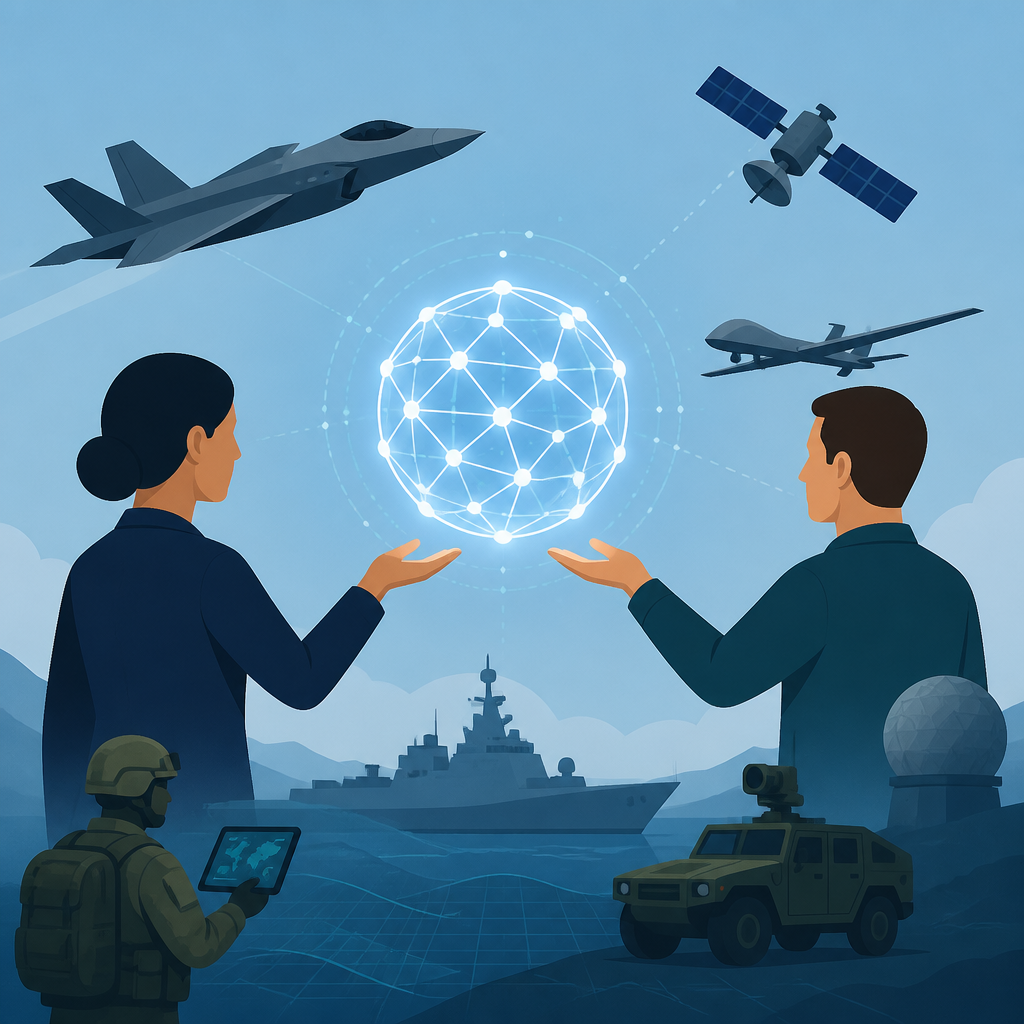
The announcement matters because it is not framed as a lab demo or a generic enterprise AI deal. It is about secure integration into environments where reliability, access control, and mission fit matter more than flashy features.
- Defense operations
- Intelligence workflows
- Critical infrastructure support
2. Booz Allen’s role is mission translation
Booz Allen Hamilton is not being positioned as the model maker. Its job is to translate frontier AI into something defense customers can actually use in operational settings. That means understanding how military and government users work, what data they can expose, and where automation helps without creating new risk.
In the company’s words, keeping pace with fast-moving frontier models is mission critical. That line signals the core value proposition: not just access to AI, but access to AI that can be shaped for real-world operations.
- Mission workflows
- Security constraints
- Operational integration
3. OpenAI brings frontier model capability
OpenAI brings the model side of the equation, giving the partnership access to frontier AI systems that can support advanced analysis, generation, and decision support. For defense users, the attraction is speed and breadth: models that can process complex inputs and assist teams working under time pressure.
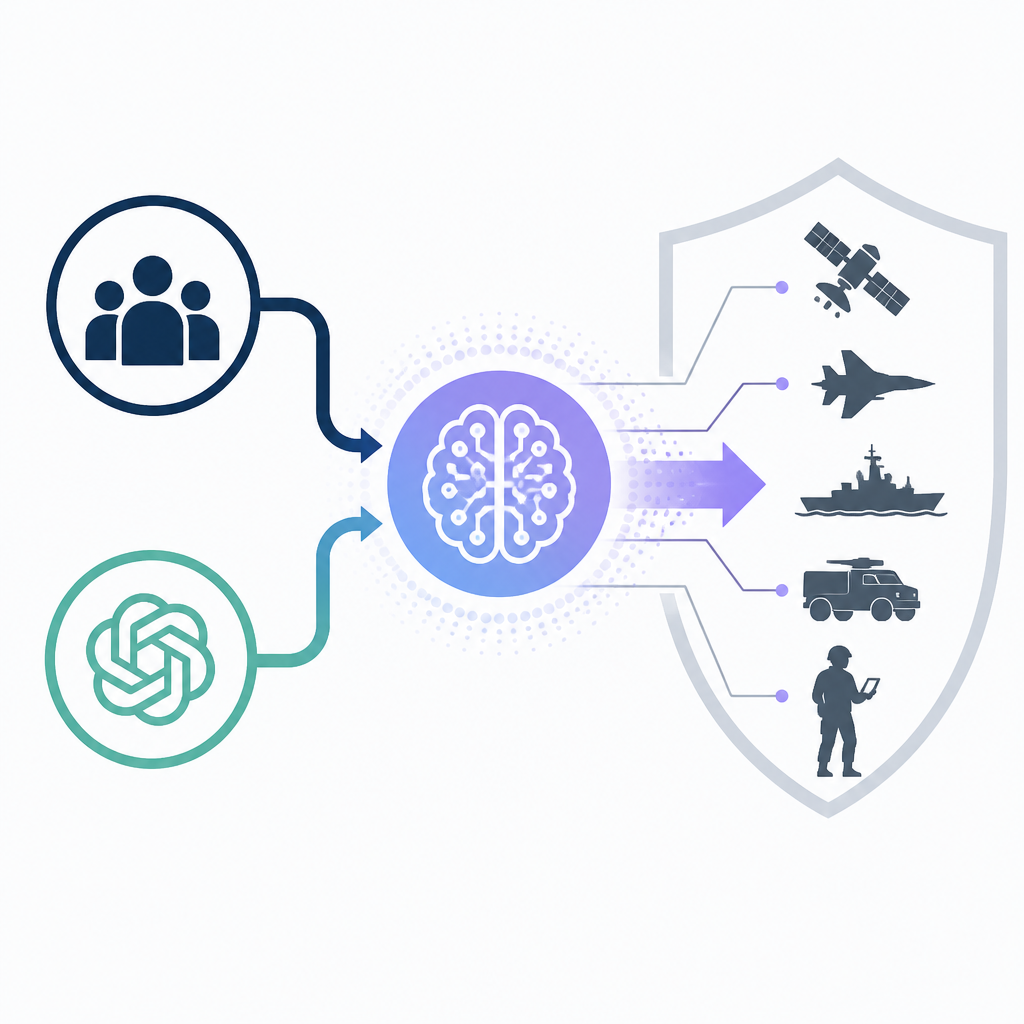
The challenge is that defense use is not the same as consumer chat or standard office automation. The models have to fit secure environments, handle sensitive information carefully, and align with government requirements before they can move into broader use.
Frontier AI + mission integration + secure deployment = defense-ready use cases4. Secure integration is the real test
The article emphasizes secure integration across US defense, intelligence, and critical infrastructure operations. That is the hard part of almost every AI-for-defense story. The technical model may be impressive, but the deployment question is whether it can be used safely, consistently, and at the right classification level.
For readers tracking military AI, this partnership fits a wider pattern: companies are moving from abstract AI talk to the plumbing needed for operational adoption. In practice, that means controls, governance, and workflows that let agencies use advanced models without exposing sensitive systems.
- Access control
- Data handling rules
- Deployment governance
5. Why this announcement matters now
The timing reflects pressure on defense organizations to keep up with rapid model progress. Frontline users do not just want a better chatbot; they want tools that can help with planning, analysis, and coordination in environments that change fast. That is why partnerships like this are drawing attention across the defense sector.
It also shows how AI procurement is evolving. Instead of waiting for a single government-built system, agencies may increasingly look to partnerships that combine commercial model development with defense-specific implementation. That approach can shorten the path from prototype to field use, if the security and policy work keeps pace.
How to decide
If you care most about the model itself, OpenAI is the center of gravity. If you care about how AI gets into defense workflows, Booz Allen is the more important half of the deal. The partnership only becomes meaningful when both sides do their part.
For defense readers, the key takeaway is not that AI is arriving, but that integration is becoming the main event. The winners will be the teams that can pair advanced models with secure, mission-aware deployment.
// Related Articles
- [IND]
HP’s OpenAI Deal Meets a Cheap Stock Debate
- [IND]
Docker made containers the default, and that was a mistake
- [IND]
Anthropic’s Claude Skills define the new agent toolkit
- [IND]
Claude Fable 5 Should Be Judged by Safety, Not Hype
- [IND]
Trump lifting GPT-5.6 limits is a bad way to govern frontier AI
- [IND]
TeraWulf lands Anthropic lease and sells Abernathy stake