Trump lifting GPT-5.6 limits is a bad way to govern frontier AI
Lifting restrictions on GPT-5.6 is the wrong model for frontier AI governance because it swaps enforceable controls for political theater.

5.6 is not a governance strategy; lifting GPT-5.6 limits turns frontier AI into political theater.
OpenAI says its GPT-5.6 lineup, including the flagship Sol and lower tiers Terra and Luna, is going public this Thursday, and the reported lifting of Trump-era restrictions shows the core problem: access to the most capable models still depends on ad hoc political decisions instead of durable rules. When the boundary around a frontier model moves because a White House changes course, the policy signal to the market is clear: compliance is negotiable, and that is a dangerous way to manage systems that can scale globally in hours.
Frontier AI needs stable rules, not presidential mood swings
Get the latest AI news in your inbox
Weekly picks of model releases, tools, and deep dives — no spam, unsubscribe anytime.
No spam. Unsubscribe at any time.
Model governance works only when developers know the constraints before launch. If the same model can be blocked one month and cleared the next, the rule of law gets replaced by a permission slip. That is not a theoretical complaint. It affects deployment planning, safety testing, and whether companies invest in compliance teams or in lobbying.
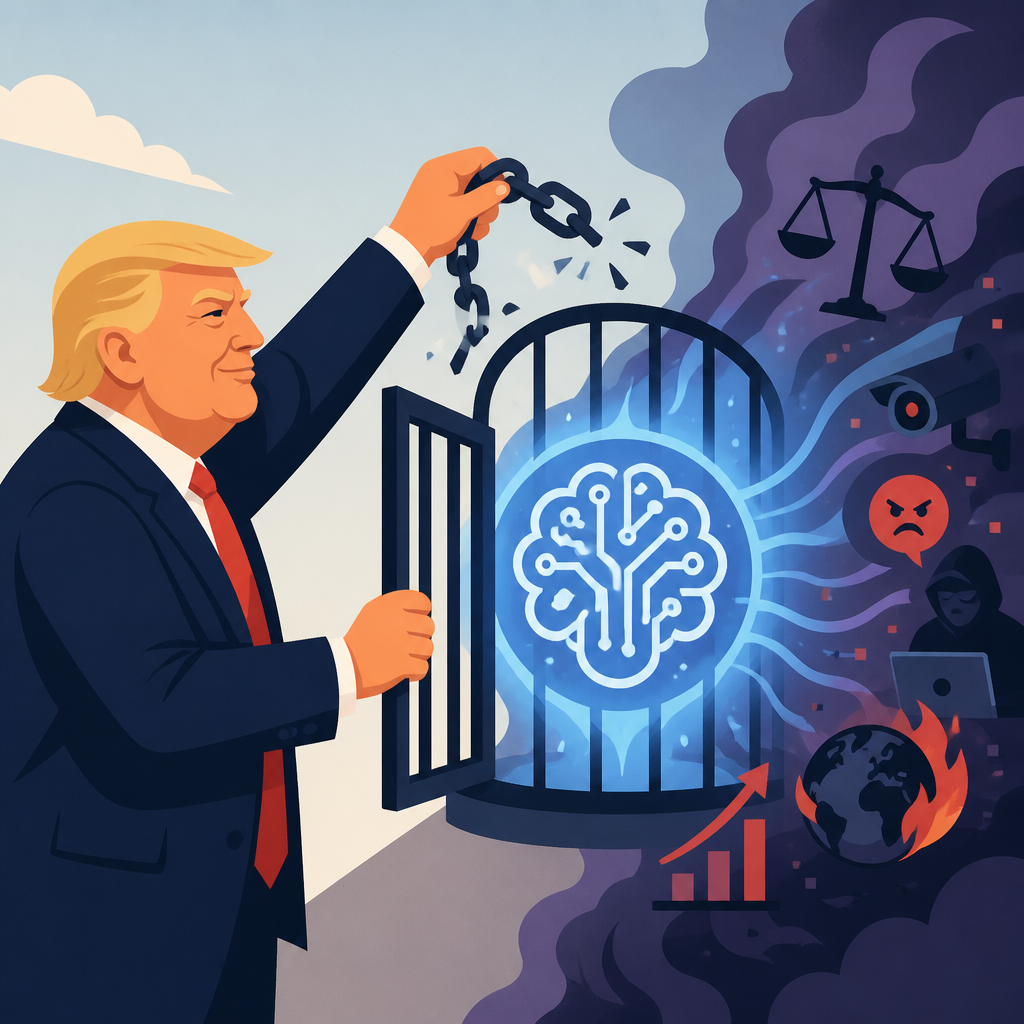
We have already seen how fragile policy becomes when it is tied to a single administration. Export controls, chip licensing, and cloud restrictions all change the incentives around frontier AI. A company preparing a launch like GPT-5.6 needs a predictable framework for red-teaming, audit logs, and incident response. Without that, the safest path is not necessarily the legal path, and the legal path is not necessarily the safest.
Political overrides reward speed over safety
Every time a restriction is lifted by fiat, the market learns that getting to market fast matters more than proving a model is ready. That is a bad lesson for systems that can generate code, manipulate users, and automate high-stakes workflows. The practical result is a race where the last team to slow down gets punished, even if slowing down is what safety demands.
There is a simple example in the release cadence itself. If OpenAI can move from restricted access to a public launch of Sol, Terra, and Luna on a government green light, then competitors will conclude that the real bottleneck is political timing, not technical assurance. That pushes firms toward influence operations, not better evaluations. It also makes safety claims harder to trust, because the incentives reward the appearance of readiness rather than measured proof.
The counter-argument
Supporters of lifting the limits will argue that blocking frontier models is self-defeating. The U.S. wants to lead in AI, and leadership requires domestic companies to ship products, learn from users, and keep pace with rivals in China and elsewhere. In that view, restrictions are a drag on innovation, and loosening them helps American firms stay ahead while preserving oversight through existing security and product channels.
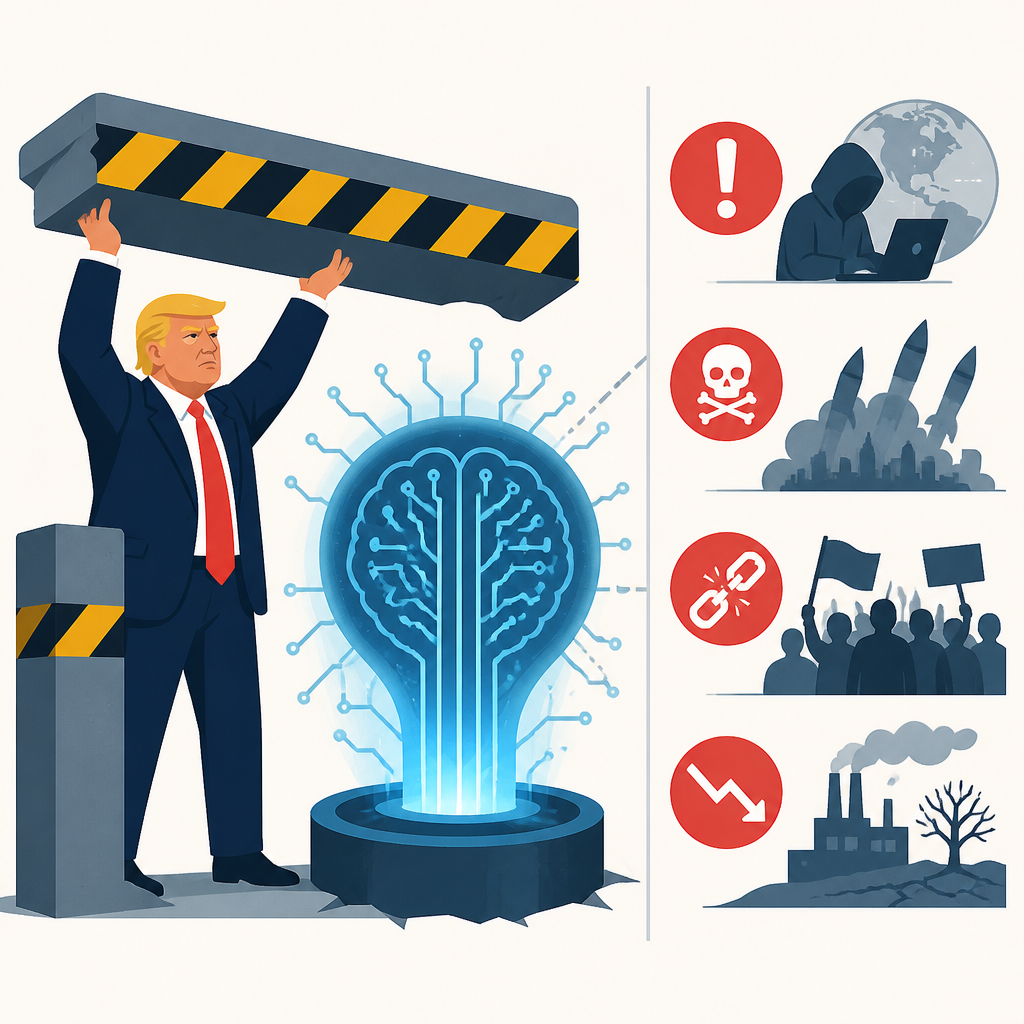
That argument has force because blanket restraint can freeze legitimate research and hand advantage to less transparent actors abroad. It is also true that public deployment creates feedback loops that improve systems faster than closed testing alone. If a restriction prevents a model from being studied, audited, and improved by qualified users, the policy can backfire.
But that is not a reason for improvised political reversals. It is a reason for a standing regime with clear thresholds: capability tests, independent audits, incident disclosure, and export or access limits tied to measurable risk. I accept the need for competition, but I reject the idea that a presidential decision is an adequate substitute for policy. Frontier AI needs rules that survive elections, not headlines.
What to do with this
If you are an engineer or product leader, treat this as a warning to build for compliance from day one. Document model evaluations, log safety findings, and design launch plans that assume access rules will tighten again. If you are a founder, do not anchor your strategy to a political opening. Build a governance process that can survive a reversal, because in frontier AI, the companies that outlast the policy cycle will be the ones that keep shipping.
// Related Articles
- [IND]
HP’s OpenAI Deal Meets a Cheap Stock Debate
- [IND]
Booz Allen and OpenAI push frontier AI into defense
- [IND]
Docker made containers the default, and that was a mistake
- [IND]
Anthropic’s Claude Skills define the new agent toolkit
- [IND]
Claude Fable 5 Should Be Judged by Safety, Not Hype
- [IND]
TeraWulf lands Anthropic lease and sells Abernathy stake