Claude Partner Network: What Businesses Should Know
Anthropic’s Claude Partner Network gives businesses certified partners, training, and support for deploying Claude at scale.

Anthropic’s Claude Partner Network connects businesses with certified partners for Claude deployments.
Anthropic launched the Claude Partner Network on March 12, 2026, with a $100 million commitment behind it. That matters because the hard part of enterprise AI is no longer trying a model in a demo; it is getting it into production without breaking security, compliance, or existing systems.
For companies evaluating AI consulting firms, the network changes the buying process. Instead of guessing which vendor actually knows Claude, buyers can look for partners that Anthropic has trained, supported, and listed in its own directory.
| Item | Detail |
|---|---|
| Launch date | March 12, 2026 |
| Anthropic commitment | $100 million for 2026 |
| CCA-F exam | 120 minutes, 60 questions, 720 passing score, $99 |
| Cloud availability | AWS Bedrock, Google Cloud Vertex AI, Microsoft Foundry |
What the Claude Partner Network actually is
Get the latest AI news in your inbox
Weekly picks of model releases, tools, and deep dives — no spam, unsubscribe anytime.
No spam. Unsubscribe at any time.
The Claude Partner Network is Anthropic’s official ecosystem for consulting firms, agencies, systems integrators, and service providers that help organizations deploy Claude in real business settings. The launch happened at Anthropic’s first Partner Summit, and the goal is simple: give enterprises a clearer path from experimentation to deployment.
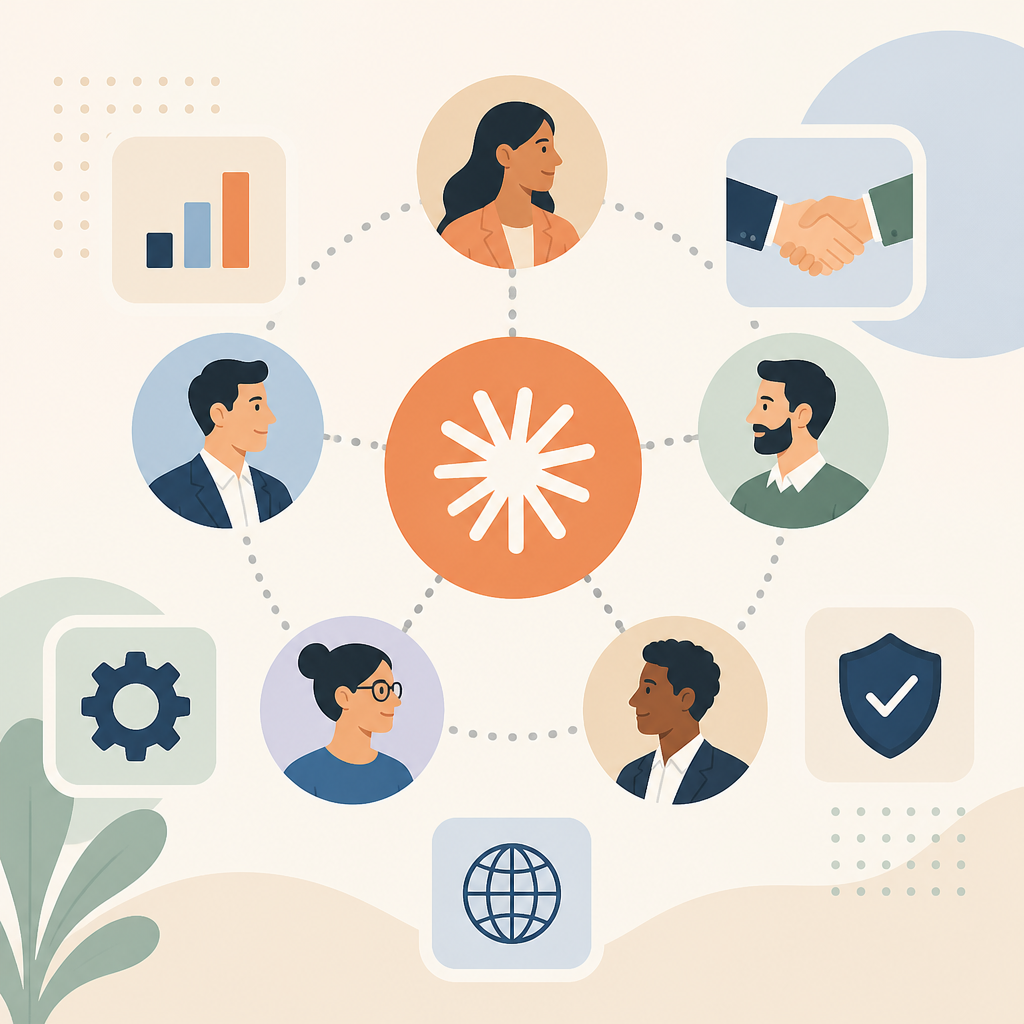
Anthropic is trying to solve a familiar enterprise problem. Teams can get excited about AI quickly, but the work of connecting a model to CRM data, document systems, identity controls, and support workflows is where most projects slow down. The partner network packages that work into a supported channel.
- It includes large firms such as Accenture, Deloitte, and PwC.
- It also admits smaller specialists with deep experience in a narrow industry or platform.
- Membership is free for qualifying partners through Anthropic’s Partner Portal.
That mix matters. Big consultancies bring scale, while smaller firms often bring sharper implementation skills in areas like workflow automation, customer support, or code modernization. Buyers should care less about brand size and more about the team that will actually touch the project.
Why Anthropic is putting money behind partners
Anthropic says the network is backed by an initial $100 million for 2026, with money flowing into training, co-marketing, sales enablement, and technical support. In plain English, Anthropic is paying to make its partners better at selling and deploying Claude.
Steve Corfield, Anthropic’s Head of Global Business Development and Partnerships, made the company’s intent clear at launch. He said,
“Anthropic is the most committed AI company in the world to the partner ecosystem—and we’re putting $100 million behind that this year to prove it.”
The support package is more than a logo swap on a partner page. Members get access to Anthropic Academy materials, sales playbooks, architecture guides, a code modernization starter kit, and direct help from Applied AI engineers on live customer deals.
That combination is what makes the program interesting. A partner can walk into a buyer meeting with training, internal documentation, and technical backup from the model vendor itself. For enterprise buyers, that lowers the odds of ending up with a consultant who can pitch AI but cannot ship it.
What the certification tells buyers
The first credential in the network is Claude Certified Architect — Foundations (CCA-F). It is a 120-minute exam with 60 multiple-choice questions, a passing score of 720 on a 100 to 1,000 scale, and a $99 fee.
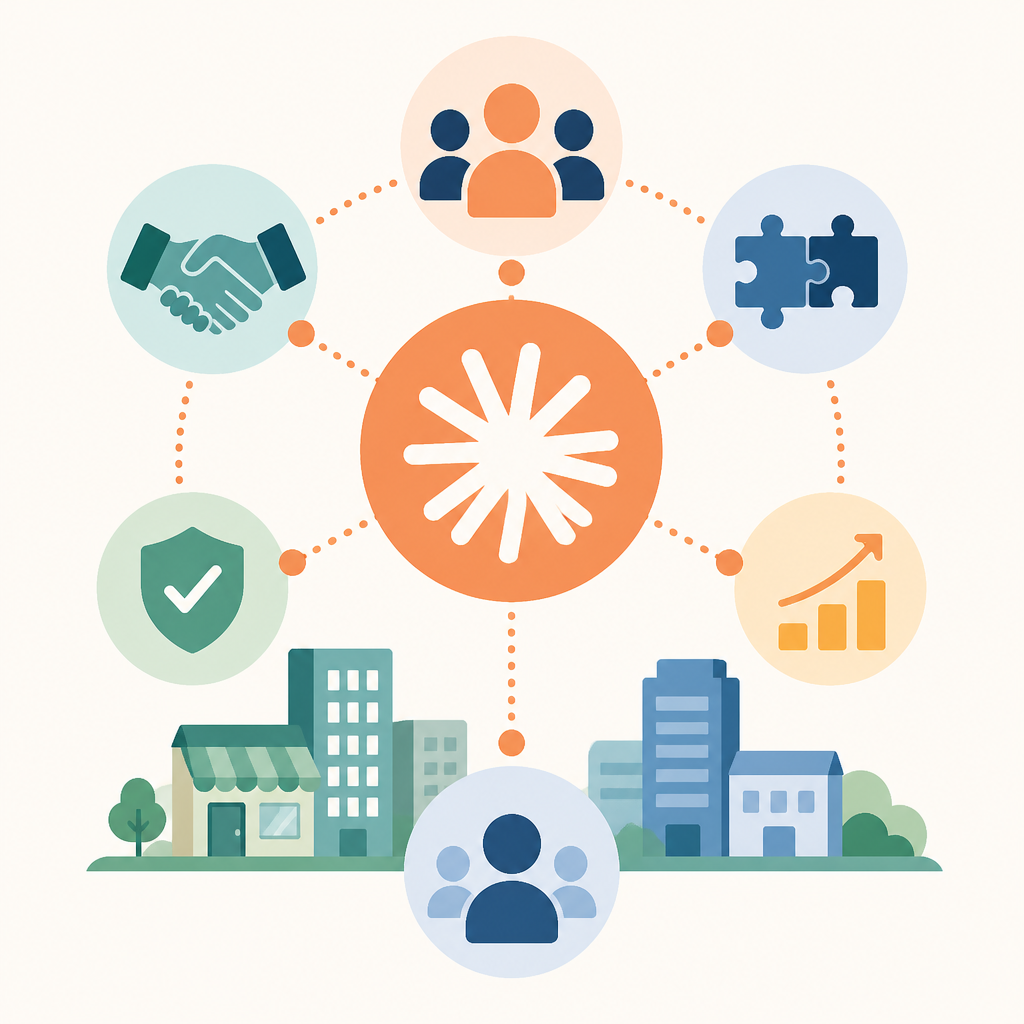
The exam is built around practical work, not theory. It covers architecture design, tool use and integration, safety and responsible AI, performance optimization, and enterprise deployment. Anthropic also says the exam includes six scenario-based sections, such as customer support agents, code generation workflows, and multi-agent research systems.
- CCA-F is aimed at people with roughly six months of hands-on Claude experience.
- Anthropic plans more certifications later in 2026 for sellers, advanced architects, and developers.
- Partners in the network get priority access to those future credentials.
For buyers, the certification is useful because it is measurable. A certificate does not guarantee a perfect project, but it does tell you the team has passed a defined technical bar instead of merely claiming familiarity with Claude.
How Claude compares with other enterprise AI options
One reason the Claude Partner Network matters is that Claude already has broad cloud distribution. Anthropic says Claude is available on AWS Bedrock, Google Cloud Vertex AI, and Microsoft Foundry. That makes it easier for partners to fit Claude into existing enterprise infrastructure.
For companies comparing consulting firms, the real question is whether the partner can connect Claude to the systems that already run the business. A strong partner should be able to show experience in CRM, customer service, data governance, and workflow automation, not just prompt demos.
- Look for direct integration experience with Salesforce and HubSpot.
- Ask for examples of production deployments, not sandbox prototypes.
- Check whether the partner can explain security controls, audit logs, and human review steps.
That last point matters more than it sounds. In enterprise AI, the model is rarely the bottleneck. The bottleneck is usually governance: who can see the data, what the system is allowed to do, and how failures are handled when the model is wrong.
What businesses should ask before signing a contract
If you are evaluating a Claude partner, start with the basics: who on the team is certified, what systems they have integrated, and how much of the work Anthropic will support directly. Those answers tell you whether you are buying a real implementation team or a polished sales deck.
Then ask for proof. A good partner should be able to show deployment patterns, security documentation, and a plan for measuring ROI after launch. If they cannot explain how Claude will reduce manual work, speed up support, or modernize code, the project is probably too vague.
Vantage Point’s own guide on AI partner selection echoes this practical approach in its broader consulting advice on deployment readiness and system integration. You can read more in our related coverage of AI implementation planning on OraCore.dev.
The Claude Partner Network is still young, but it already tells you something important about where enterprise AI is heading: buyers want fewer experiments and more accountable delivery. If Anthropic keeps expanding certification, support, and partner tooling at this pace, the next buying decision will be less about choosing an AI model and more about choosing the team that can put it to work inside your business.
// Related Articles
- [IND]
Rust 661’s best releases for builders this week
- [IND]
Deepwoken’s Second Layer hides Ethiron below Scyphozia
- [IND]
AMD is right to use Anthropic to break CUDA’s grip
- [IND]
AI Weekly: 2026-07-20 ~ 2026-07-27
- [IND]
WAIC 2026 turns AI hype into real work
- [IND]
KPMG’s OpenAI deal turns SaaS into agents