Cloudflare’s main rivals and what each one does best
4 Cloudflare rivals show where buyers can compare security, delivery, and access control by revenue, focus, and fit.

Cloudflare competes with several larger and smaller infrastructure and security vendors.
Cloudflare reported $2.3 billion in revenue, and that scale puts its competition in clear view. This list breaks down four similar companies so you can see where each one fits on security, delivery, and access control.
| Item | Known scale signal | Main focus |
|---|---|---|
| Cloudflare | $2.3 billion revenue | Web infrastructure and security |
| Akamai Technologies | Public company, large enterprise base | Content delivery and security |
| Zscaler | Public company, security-first vendor | Zero trust access and cloud security |
| F5 | Public company, enterprise infrastructure vendor | Application delivery and security |
1. Cloudflare
Get the latest AI news in your inbox
Weekly picks of model releases, tools, and deep dives — no spam, unsubscribe anytime.
No spam. Unsubscribe at any time.
Cloudflare is the benchmark in this group because it combines content delivery, DNS, and security tools in one platform. Its $2.3 billion in revenue shows the company has already moved well beyond startup scale.
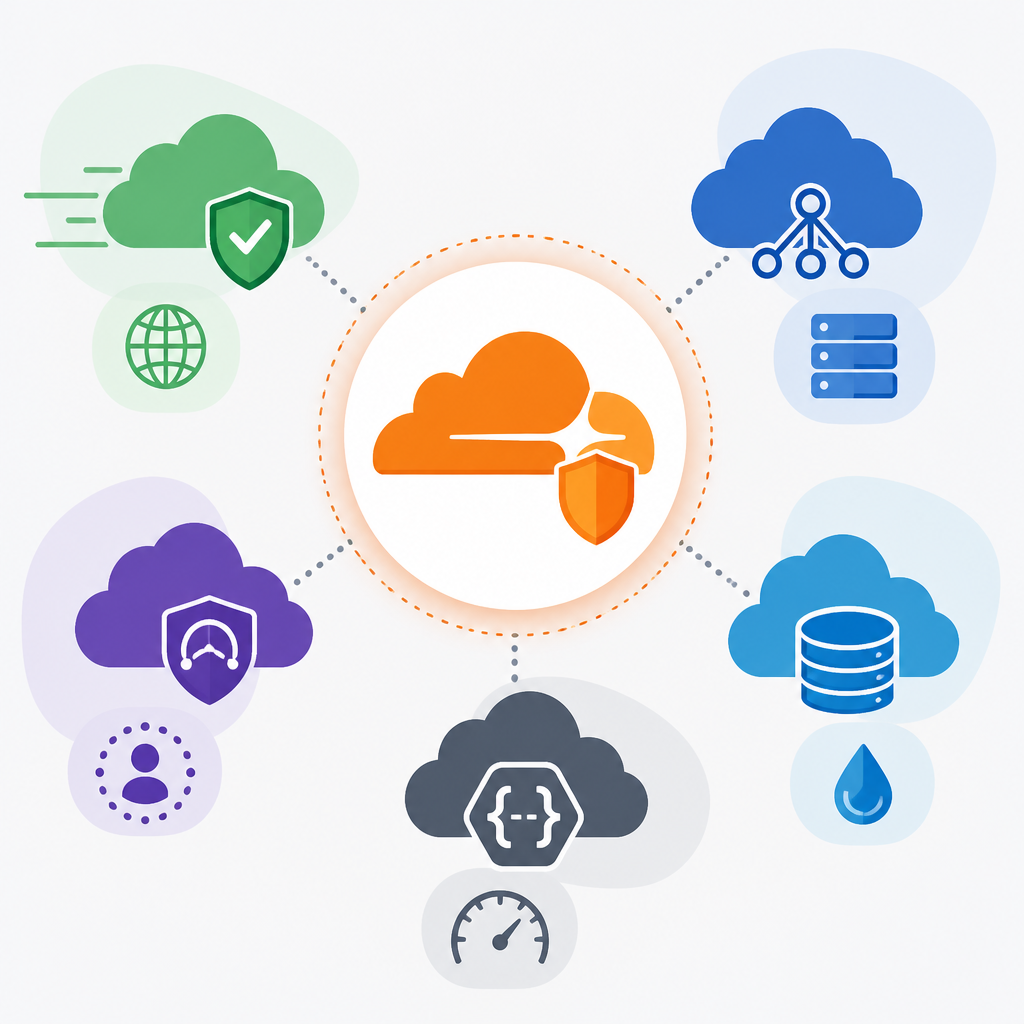
For buyers, that matters because Cloudflare often competes on breadth. A team can use it for edge delivery, DDoS protection, and access control without stitching together as many separate vendors.
- Best fit: teams that want one vendor across delivery and security
- Common use cases: CDN, DNS, WAF, bot protection, zero trust access
- Buyer signal: strong choice when platform consolidation matters
2. Akamai Technologies
Akamai Technologies is one of the closest comparisons because it has long been known for delivery infrastructure and security services at enterprise scale. It is a familiar option for organizations that care about performance, global reach, and mature service depth.
Akamai often appeals to companies with large traffic volumes and complex delivery needs. If the buying team wants a vendor with a long history in edge delivery, Akamai is usually on the shortlist.
- Best fit: enterprises with heavy traffic and global delivery needs
- Strength area: CDN and edge performance
- Watch for: broader enterprise contracts and implementation complexity
3. Zscaler
Zscaler competes from a different angle. Instead of focusing on delivery first, it is known for cloud security and zero trust access, which makes it a strong alternative when the buyer is prioritizing secure user access over content delivery.
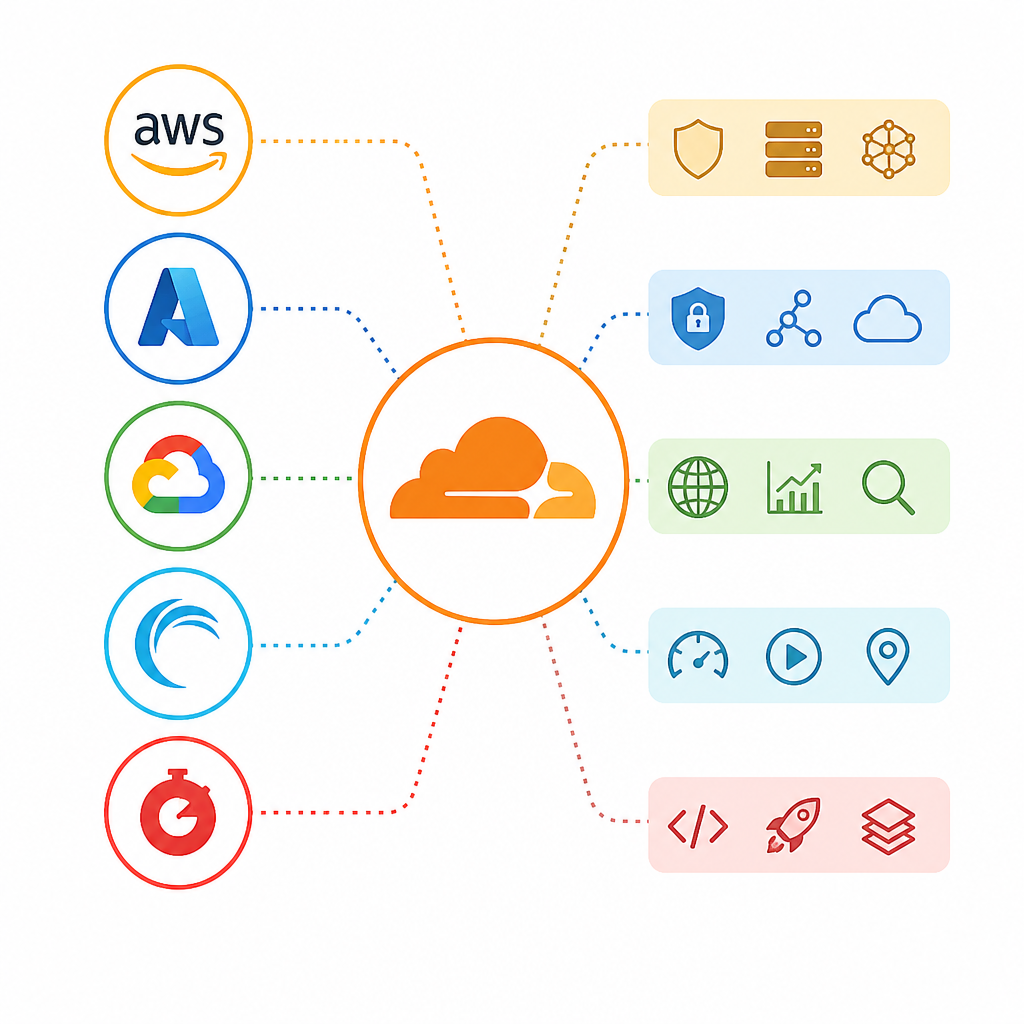
This makes Zscaler especially relevant for security teams. If the main goal is controlling who gets access to internal apps and data, Zscaler can be a more direct fit than a broader web infrastructure platform.
- Best fit: security-led IT and identity teams
- Strength area: zero trust network access and secure web gateway
- Watch for: less emphasis on CDN-style delivery features
4. F5
F5 is another major enterprise vendor in this space, with a long record in application delivery and security. It tends to show up where buyers need traffic management, app protection, and control over how applications are served.
F5 is often a better match for organizations that already run complex application environments. When the discussion is about load balancing, app delivery, and protection around critical systems, F5 belongs in the comparison set.
- Best fit: enterprises managing complex application traffic
- Strength area: application delivery controllers and security
- Watch for: more infrastructure depth than broad edge-platform messaging
What to pick
Pick Cloudflare if you want a broad platform that blends delivery and security in one place. Pick Akamai if your priority is large-scale delivery and enterprise edge infrastructure. Pick Zscaler if zero trust access is the main buying trigger.
Pick F5 if your team needs stronger application delivery control around complex enterprise systems. In short, the best choice depends on whether the buyer is optimizing for platform breadth, delivery history, security access, or app traffic management.
// Related Articles