CrowdStrike details Docker and Kubernetes cryptojacking
CrowdStrike says attackers used obscure domains and container tricks to mine crypto on vulnerable Docker and Kubernetes systems.

CrowdStrike detailed a cryptojacking campaign against vulnerable Docker and Kubernetes systems.
At KubeCon + CloudNativeCon North America, CrowdStrike said attackers were targeting exposed container infrastructure with a mix of domain abuse and container-focused tactics. The company described the activity as a complex cryptojacking campaign aimed at vulnerable Docker and Kubernetes environments.
What changed
Get the latest AI news in your inbox
Weekly picks of model releases, tools, and deep dives — no spam, unsubscribe anytime.
No spam. Unsubscribe at any time.
The disclosure adds another example of how container platforms are being used as mining targets when teams leave services exposed or fail to harden defaults. CrowdStrike said the campaign relied on obscure domains and infrastructure abuse to support the operation.
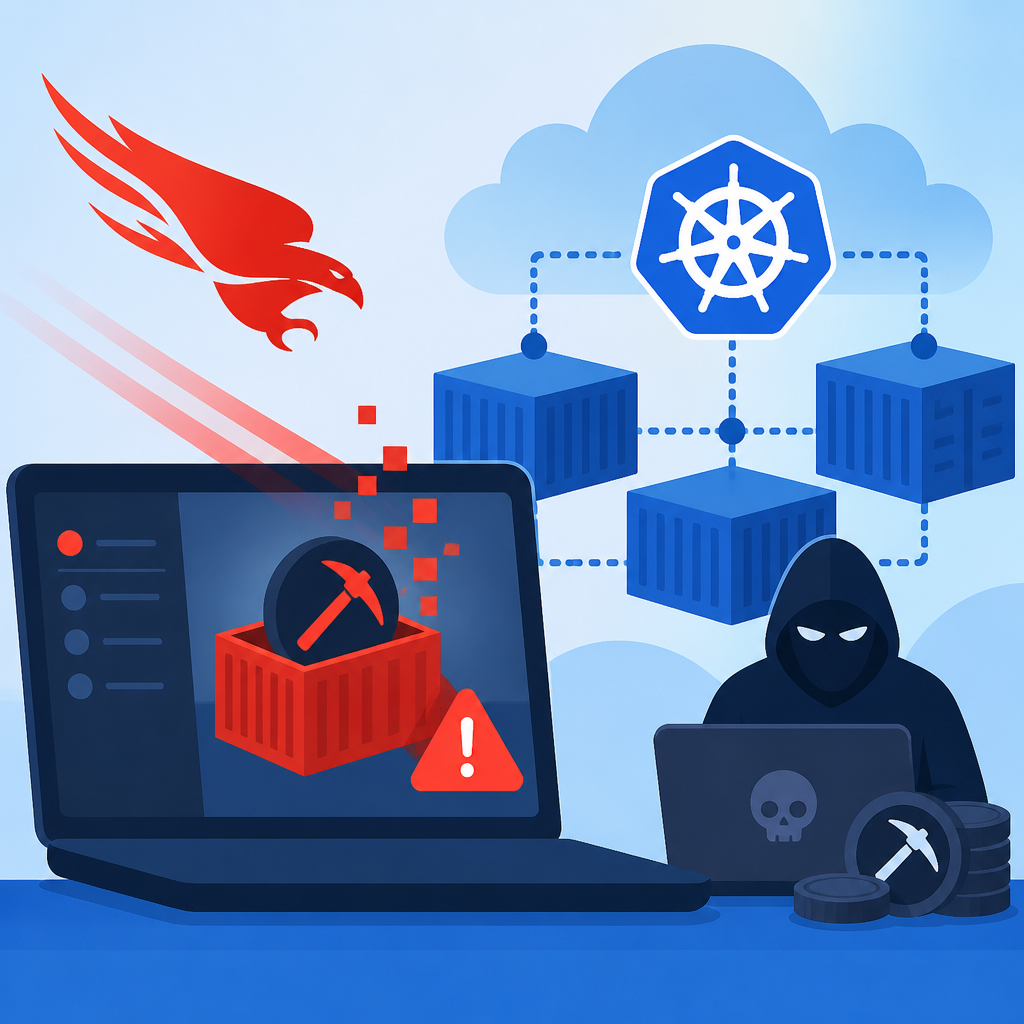
Instead of attacking a single app, the campaign went after the orchestration layer itself. That matters because a compromise there can give attackers access to multiple workloads, not just one container.
- Announced at KubeCon + CloudNativeCon North America
- Targeted vulnerable Docker and Kubernetes infrastructure
- Used obscure domains as part of the campaign
- Described by CrowdStrike as complex cryptojacking activity
For teams running clusters in production, the report is a reminder that container security is not only about image scanning or runtime policy. Exposure, access control, and network hygiene still shape whether attackers can turn compute into mining capacity.
Why it matters
Cryptojacking may not grab the same attention as data theft, but it can still drain CPU, inflate cloud bills, and mask deeper compromise. In Kubernetes environments, that cost can spread quickly across nodes and namespaces.
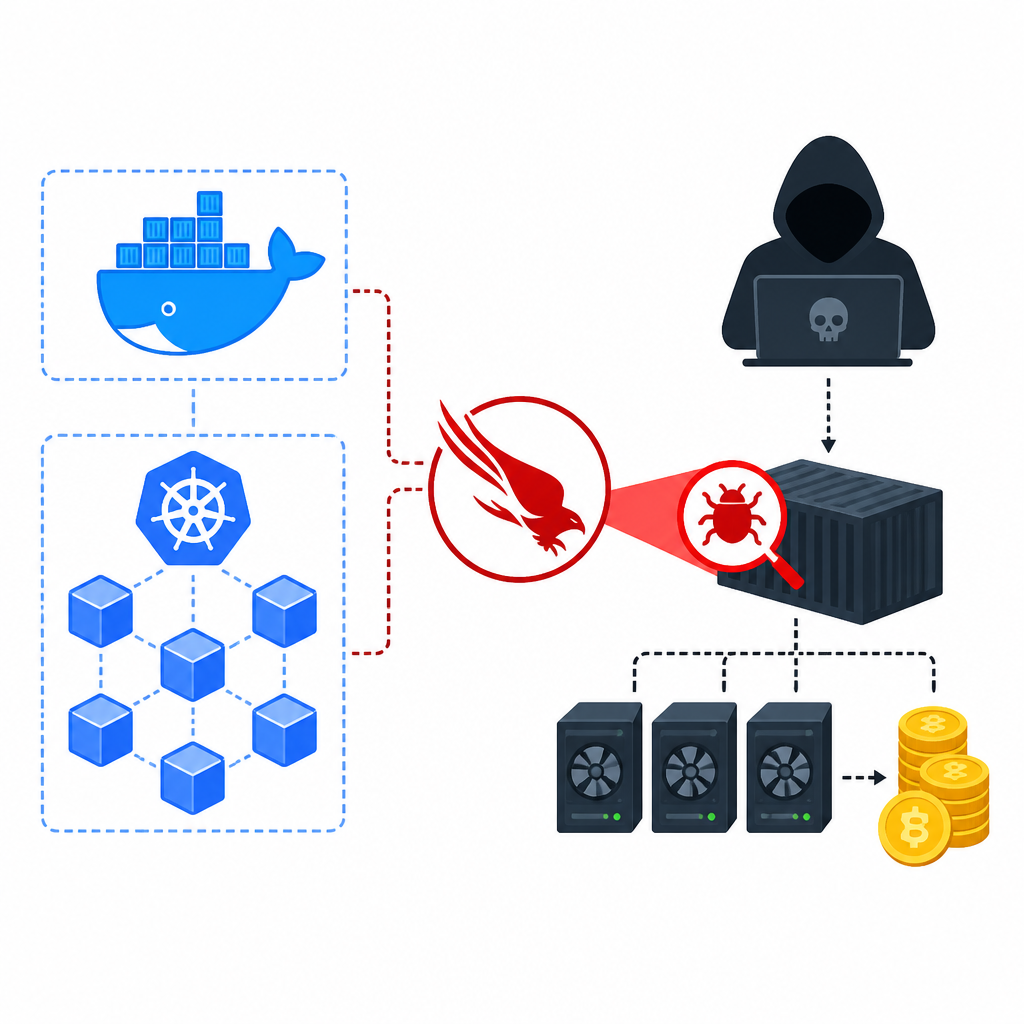
The report also reinforces a practical point for platform teams: container security needs to cover the full path from internet-facing endpoints to cluster access and workload behavior. If attackers can reach the control plane or a privileged container, they can often pivot faster than defenders expect.
The takeaway is simple: if Docker or Kubernetes is exposed, miners are not the only risk. The bigger question is whether teams can spot abuse before compute spend becomes the first visible alert.
// Related Articles
- [IND]
Google’s Q2 2026 results prove AI spend is now the story
- [IND]
AI regulation in India is now a business risk
- [IND]
Europe should standardise the AI Act through harmonised technical rul…
- [IND]
AMD and Anthropic’s 2GW deal reshapes AI supply
- [IND]
OpenAI’s comeback proves coding now drives the AI race
- [IND]
System design interviews get easier with 5 core ideas