Databricks should keep external model serving endpoints tightly gover…
Databricks external model serving endpoints need centralized governance, not loose self-service.

Databricks external model serving works best when access, limits, and secrets stay centrally governed.
Databricks is right to treat external model endpoints as governed infrastructure, not as a casual shortcut to any LLM on the market. The product is explicit about rate limits, access control, and secret-based provider access, and that is the correct posture. If a team can point a workspace endpoint at OpenAI or Anthropic in a few clicks, the real question is not convenience. It is whether the organization can still answer who can call it, what it costs, and which credentials it uses.
Central governance is the feature that makes external models usable
Get the latest AI news in your inbox
Weekly picks of model releases, tools, and deep dives — no spam, unsubscribe anytime.
No spam. Unsubscribe at any time.
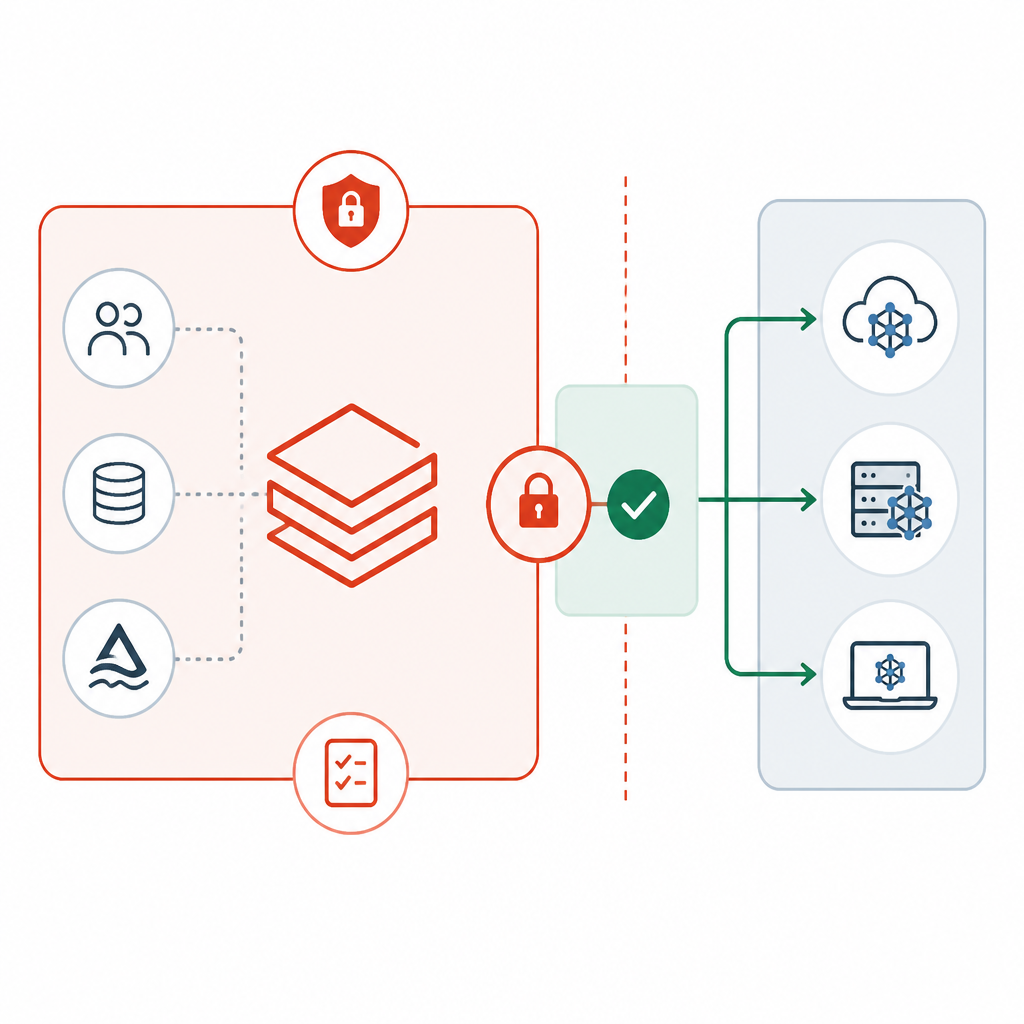
External models are attractive because they let Databricks customers use frontier models without leaving the platform. But the docs make the governance model the headline: centrally governed endpoints, access control, and rate limits. That matters because the moment an endpoint becomes a shared internal utility, unmanaged sprawl becomes a production risk. A single endpoint with a user-level limit and a secret-backed provider token is a much better operating unit than dozens of ad hoc API keys scattered across apps.
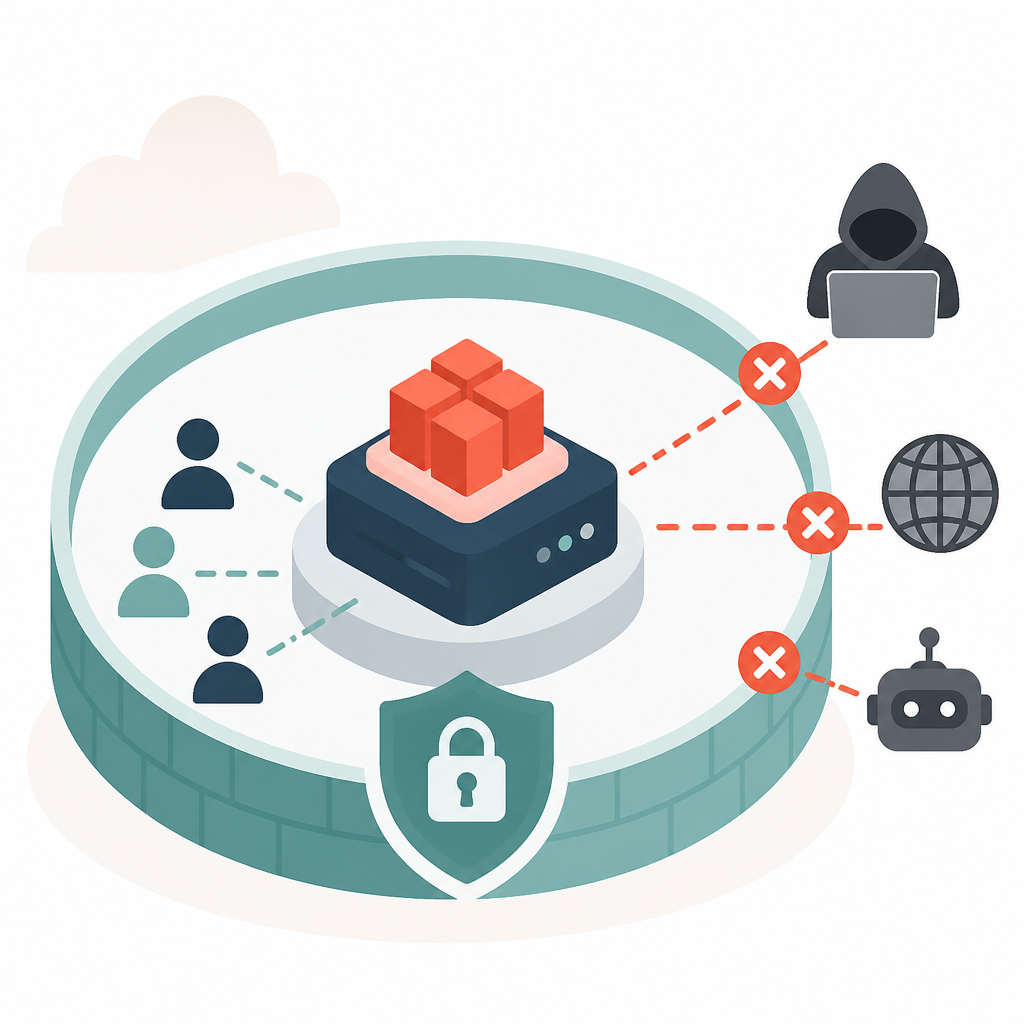
The clearest evidence is in the REST example itself. Databricks shows rate limits configured directly on the endpoint, such as 100 calls per user per minute, alongside tags and a secret reference for the provider key. That is not just implementation detail. It is the product telling buyers that external model usage belongs inside the same control plane as the rest of their data stack. Teams that already govern warehouses, clusters, and jobs should expect the same discipline for model access.
The model task boundary prevents endpoint chaos
Databricks forces a task choice up front: chat, completion, or embeddings. The list of available models then updates based on that task. This is a smart constraint, because model serving gets messy when one endpoint tries to be everything at once. A chat model and an embeddings model are not interchangeable, and forcing that distinction at creation time reduces the odds of misuse, broken clients, and accidental cost blowups.
The documentation also draws a hard line around endpoint shape. When an external_model is present, the served_entities list can contain only one served_entity object, and an endpoint cannot be converted back and forth between external and non-external configurations. That rigidity is a feature, not a bug. It prevents configuration drift and keeps the operational contract simple. In serving systems, simplicity is reliability. The more a team can mutate an endpoint into a different class of service, the more likely it is to create hidden dependencies and brittle rollout behavior.
The update model favors continuity over cleverness
Databricks keeps the old configuration serving traffic until the new one is ready, and blocks concurrent updates while a change is in progress. That is the right default for production inference. Endpoint updates are not like editing a dashboard. They affect live traffic, latency, and downstream app behavior. By making updates serialized and non-disruptive, Databricks reduces the chance that a rushed configuration change takes down an internal product.
The UI even allows canceling an in-progress update, which signals that endpoint lifecycle management is intended to be operational, not improvised. This matters because model serving teams often underestimate how often they need rollback paths. A provider change, a new API key, or a task switch can all break clients instantly if the platform does not preserve the previous working config. Databricks is taking the safer route: preserve service continuity first, then let teams iterate.
The counter-argument
The strongest objection is that Databricks is adding friction to something teams want to move quickly. If a product team already has an OpenAI key and wants to stand up embeddings or chat in minutes, central governance, secret scopes, task restrictions, and serialized updates can feel heavy. Some teams will argue that the fastest path to value is direct API access from application code, with fewer platform layers in the middle.
That complaint is valid for prototypes, but it fails for shared production systems. The minute multiple services depend on the same model endpoint, unmanaged API keys and ad hoc usage limits become a liability. Databricks is not blocking speed. It is making speed auditable. If a team wants fast experimentation, direct calls are fine. If it wants a durable internal service, the endpoint must be governed, versioned, and constrained. The platform is right to optimize for the latter.
What to do with this
If you are an engineer or platform owner, treat Databricks external model endpoints as the sanctioned path for production LLM access and design around that assumption. Use secret scopes for provider credentials, set explicit per-user or per-team rate limits, tag endpoints by owner, and keep one endpoint per clear task. If you are a PM or founder, do not ask for “more flexibility” first. Ask for clearer ownership, tighter cost controls, and rollback-safe updates. That is how you turn model access into an operating capability instead of a recurring incident.
// Related Articles
- [TOOLS]
Pixel 11 launch highlights and new Gemini features
- [TOOLS]
AWS Continuum turns AI coding into safer fixes
- [TOOLS]
Open-Generative-AI turns GitHub into a studio
- [TOOLS]
Why benchmark scores don’t predict your bill
- [TOOLS]
MCP Servers for Developers: 8 workflow gains in 2026
- [TOOLS]
Doubao turns a game prompt into a mini arcade