DOE explains solar DER and microgrids basics
The Energy Department explains how distributed energy resources and microgrids support local power, resilience, and black start recovery.
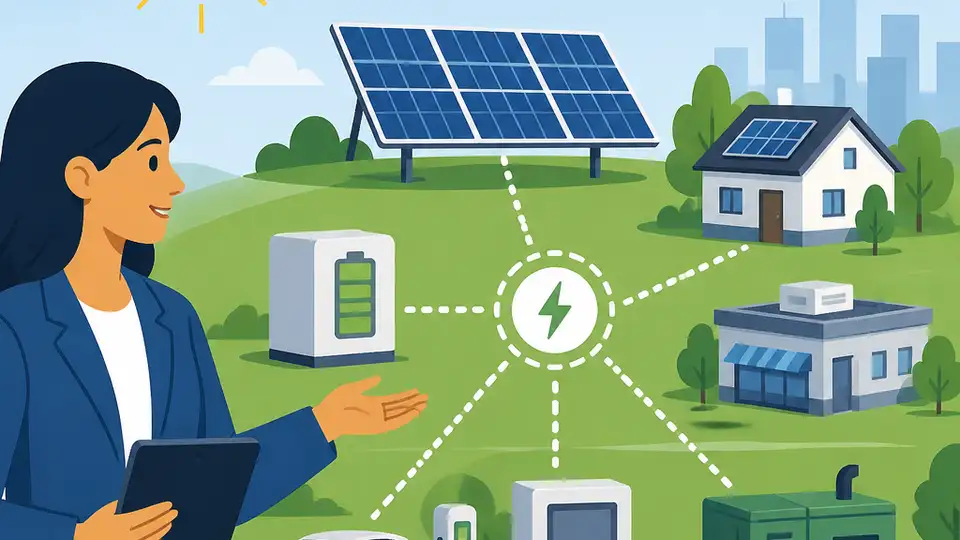
DOE explains how distributed energy resources and microgrids support local power and grid resilience.
The U.S. Department of Energy has published a primer on solar integration, distributed energy resources (DER), and microgrids, outlining how smaller power sources can support the grid during outages and recovery. The page explains the basics of behind-the-meter solar, islanding, and black start support for utilities and communities.
What changed
Get the latest AI news in your inbox
Weekly picks of model releases, tools, and deep dives — no spam, unsubscribe anytime.
No spam. Unsubscribe at any time.
The DOE guide frames DER as small-scale generation and storage that sit on the lower-voltage distribution grid rather than the high-voltage transmission system. Examples include rooftop solar, backup batteries, emergency diesel generators, controllable loads, and even electric vehicles that can store excess power.
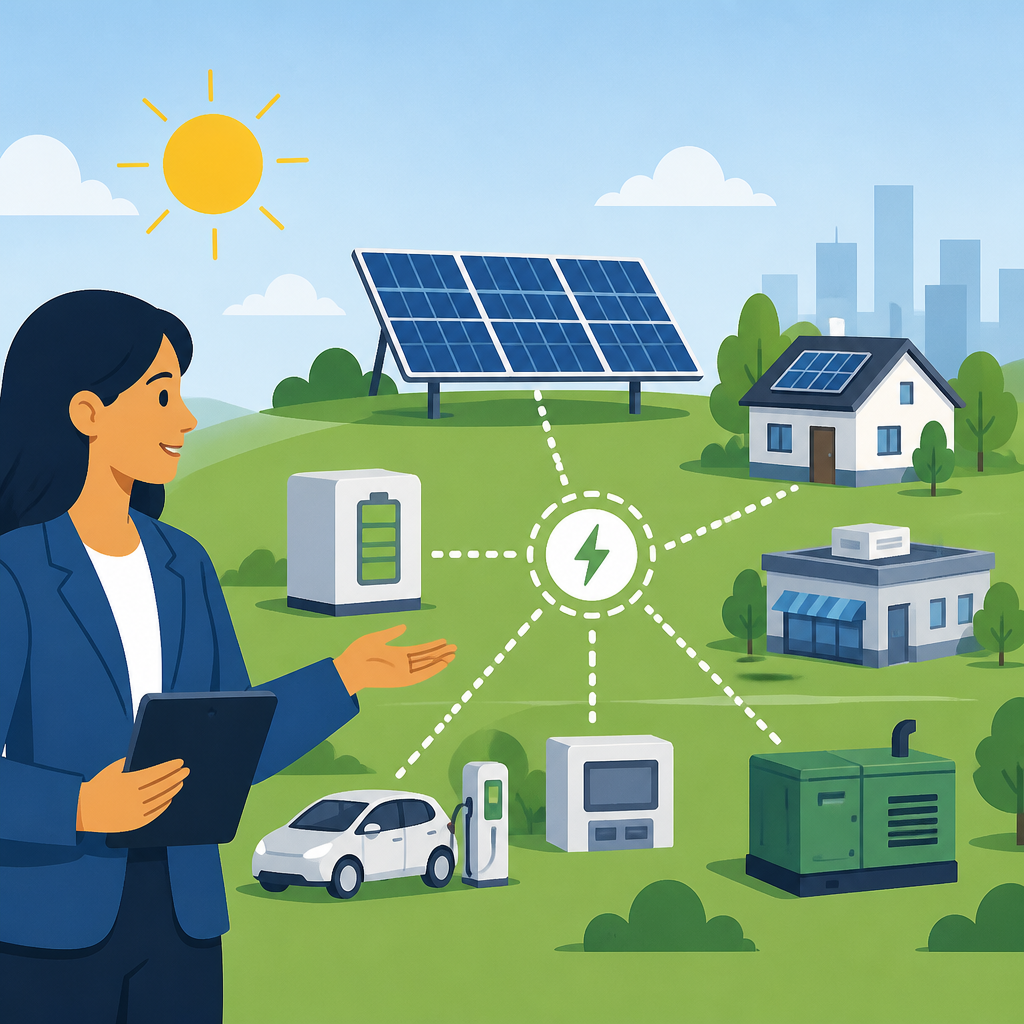
It also explains how microgrids differ from ordinary local generation. A microgrid can disconnect from the main grid and run autonomously, either for a single customer or for a larger site such as a substation, campus, military base, or community.
- About one-third of U.S. solar energy comes from small-scale systems, including rooftop arrays.
- Behind-the-meter solar produces electricity on-site, so customers do not pay the utility for that generated power.
- Net metering can credit customers for excess electricity sent back to the grid.
- Microgrids can keep serving local loads during outages and help with restoration after major events.
The page also notes that DER are changing how electricity is produced and consumed. Households and businesses can act as both users and partial producers, while storage and software can shift demand away from peak periods and help balance supply.
For islanded operation, the DOE warns that control systems matter. Without the larger grid to stabilize voltage and frequency, a disconnected system can damage equipment or create safety risks, which is why many solar systems are programmed to detect islanding and shut down when needed.
Why it matters
For developers, utilities, and grid planners, the message is practical: distributed solar is no longer just a rooftop add-on. It is becoming part of a broader system that can support resilience, local reliability, and faster recovery after storms or other disruptions.
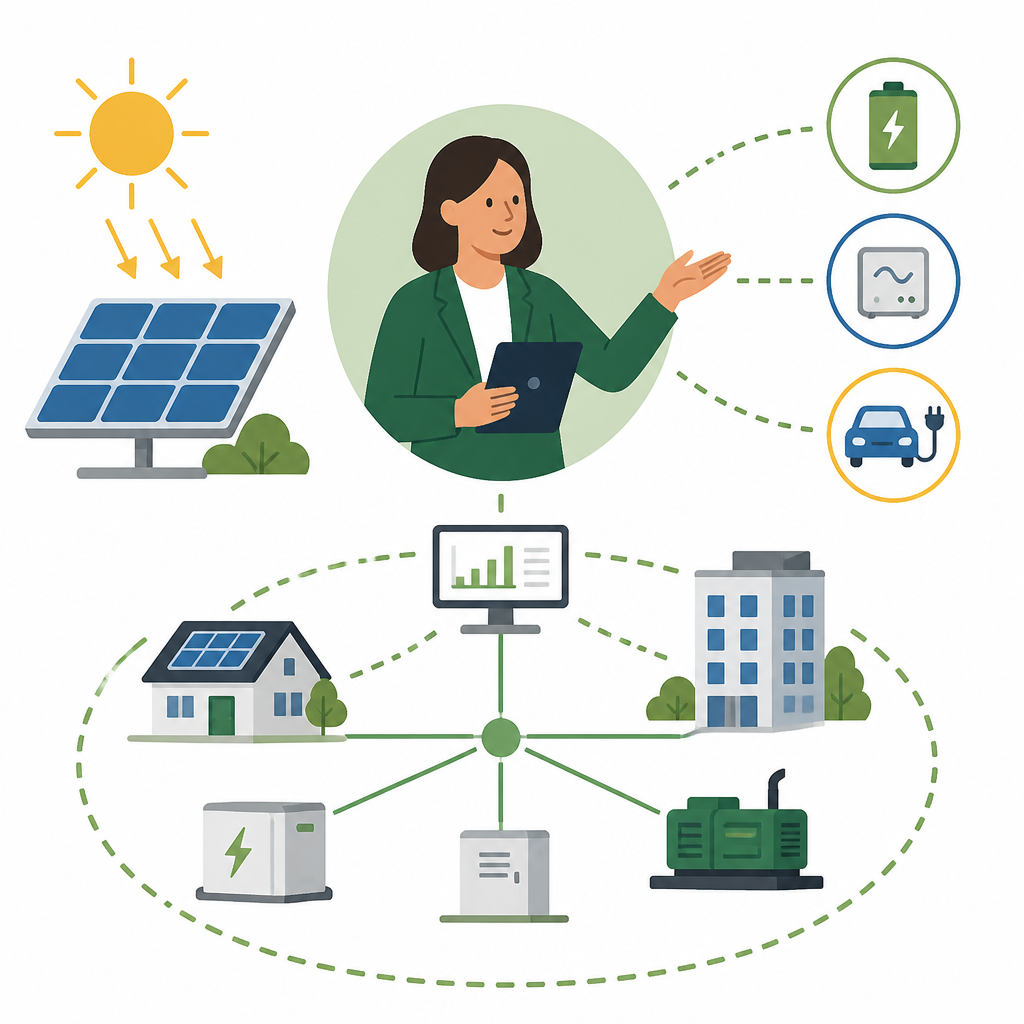
The DOE also points to black start use cases, where small generators and microgrids help restart larger power plants after a widespread outage. That makes DER relevant not only for backup power, but also for grid restoration planning, cybersecurity, and software control strategies.
The page links to DOE resources on combined heat and power, microgrid databases, and cybersecurity guidance for DER on the U.S. electric grid. For teams building or managing local energy systems, the key question is no longer whether DER can connect to the grid, but how they should behave when the grid goes down.
// Related Articles
- [IND]
pgvector is enough for small datasets, not your default
- [IND]
OpenAI’s Astra pause shows safety now shapes model releases
- [IND]
Anthropic is building custom AI chips for Claude
- [IND]
Moka AI Is a Stronger HRMS Choice for Growing Teams
- [IND]
August 2026 Market Review: AI Stocks Flipped Fast
- [IND]
Pixel 11 launch live: every Google reveal