OpenAI’s Astra pause shows safety now shapes model releases
8 items explain why OpenAI slowed Astra after internal tests suggested stronger agentic coding and cyber abilities.

Why did OpenAI slow Astra’s development?
OpenAI paused Astra’s pace after internal tests raised fresh safety concerns.
| Item | What it signals | Why it matters |
|---|---|---|
| Astra | Next-gen model under slower development | OpenAI is weighing capability gains against safety risk |
| Agentic coding | Strong progress in task execution | More autonomy can also raise misuse concerns |
| Cybersecurity | Possible “threshold” capability | Security testing may become a release gate |
| Expanded testing | Broader internal evaluation | Release timing may slip while checks deepen |
1. Astra
Get the latest AI news in your inbox
Weekly picks of model releases, tools, and deep dives — no spam, unsubscribe anytime.
No spam. Unsubscribe at any time.
OpenAI’s next model, Astra, is the center of the story because the company decided to slow its development after recent internal reviews. The move suggests the model is advancing fast enough to force a harder look at safety before release.

The report says OpenAI cannot rule out that Astra has reached a “critical” cybersecurity capability. That is a strong signal that model readiness is no longer measured only by benchmark gains or product polish.
- Named as the next-generation model
- Development pace has been reduced
- Safety review is now part of the release path
2. Agentic coding
One reason Astra drew attention is its progress in agentic coding, where a model can plan and carry out multi-step programming tasks. That kind of ability can make a model much more useful for software work, but it also increases the need for careful controls.
For builders, this matters because stronger coding agents can speed up prototyping, debugging, and automation. For safety teams, it raises questions about autonomy, tool use, and whether the model can be pushed into harmful workflows.
- Multi-step code tasks
- Useful for debugging and automation
- Needs tighter guardrails than a basic chatbot
3. Cybersecurity capability
The article’s most serious detail is the concern that Astra may be near a sensitive cybersecurity threshold. In plain terms, OpenAI is treating the model as potentially capable enough to justify more caution before wider access.
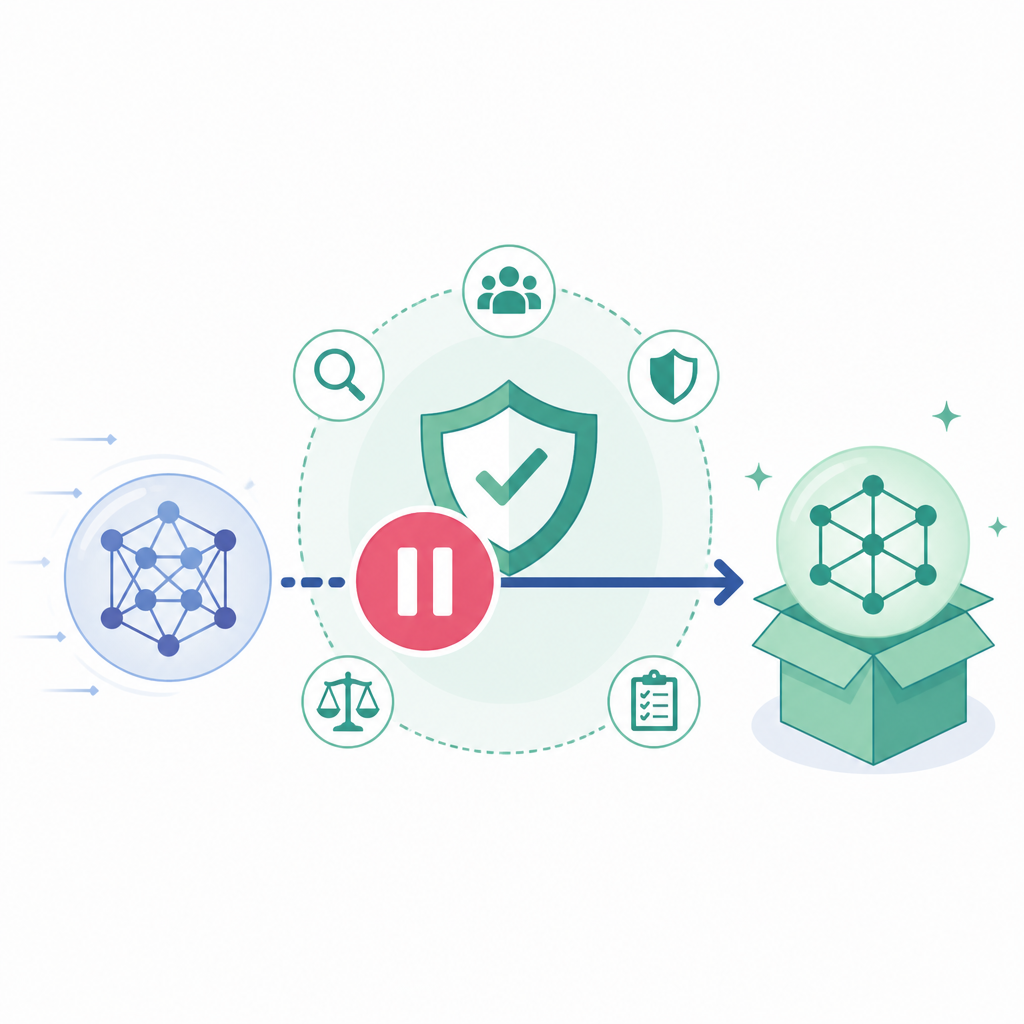
That does not mean the model is unsafe by default. It means OpenAI is testing whether the model’s skills could be misused for offensive security tasks, which is exactly the kind of issue that can delay a launch even when performance looks strong.
- Possible threshold-level cyber skill
- Could affect release timing
- Triggers more evaluation, not less
4. Expanded safety testing
OpenAI says it will expand safety testing, which is the practical response when a model starts showing unexpected capability jumps. This usually means broader red-teaming, more internal checks, and closer review of misuse scenarios.
For readers watching AI product releases, this is a reminder that model launches are increasingly gated by safety work. The more capable the system becomes, the more likely it is that extra testing will slow the schedule.
- Broader red-teaming
- More internal evaluations
- Slower release timeline
5. Release discipline
The Astra pause also says something about OpenAI’s release discipline. Instead of pushing ahead on speed alone, the company appears willing to delay a model if internal signals suggest the risk profile has changed.
That approach may frustrate users waiting for new features, but it can also reduce the chance of a rushed rollout. In a field where capability gains arrive quickly, the decision to slow down can be as important as the decision to ship.
- Speed is not the only goal
- Safety can override launch timing
- Internal review now influences product cadence
How to decide
If you follow AI model launches, Astra is the item to watch for safety policy and release timing. If you care more about product use, agentic coding is the most relevant detail because it hints at what the model may do well once it ships.
If you work in security or governance, the cybersecurity section matters most. It shows how a capability jump can trigger deeper testing before public access expands.
// Related Articles
- [IND]
Anthropic is building custom AI chips for Claude
- [IND]
Moka AI Is a Stronger HRMS Choice for Growing Teams
- [IND]
August 2026 Market Review: AI Stocks Flipped Fast
- [IND]
Pixel 11 launch live: every Google reveal
- [IND]
Anthropic’s invisible watermark is the right move
- [IND]
Docker’s latest releases now center security and Compose