DSpark vs MTP methods in one clear comparison
4 DSpark and MTP points that compare OpenAI-style client setup, model calls, and code paths for local inference.

What does DeepSeek’s DSpark change, and how does it compare with common MTP-style setups?
This article compares DSpark with common MTP approaches using one Python client example.
| Item | Setup | Model call | Example prompt |
|---|---|---|---|
| OpenAI client | base_url + api_key | chat.completions.create | “Write quicksort in Python” |
| Qwen/Qwen3-8B | Local or served model | chat.completions.create | Short coding task |
| DSpark | DeepSeek-related method | Compared against MTP | Technical explanation |
| MTP methods | General comparison group | Varies by implementation | Model serving pattern |
1. OpenAI client setup
Get the latest AI news in your inbox
Weekly picks of model releases, tools, and deep dives — no spam, unsubscribe anytime.
No spam. Unsubscribe at any time.
The source code centers on a standard OpenAI client pattern. It points the client at a local endpoint with base_url="http://127.0.0.1:8000/v1" and uses api_key="EMPTY", which suggests a compatible server rather than the public OpenAI API.
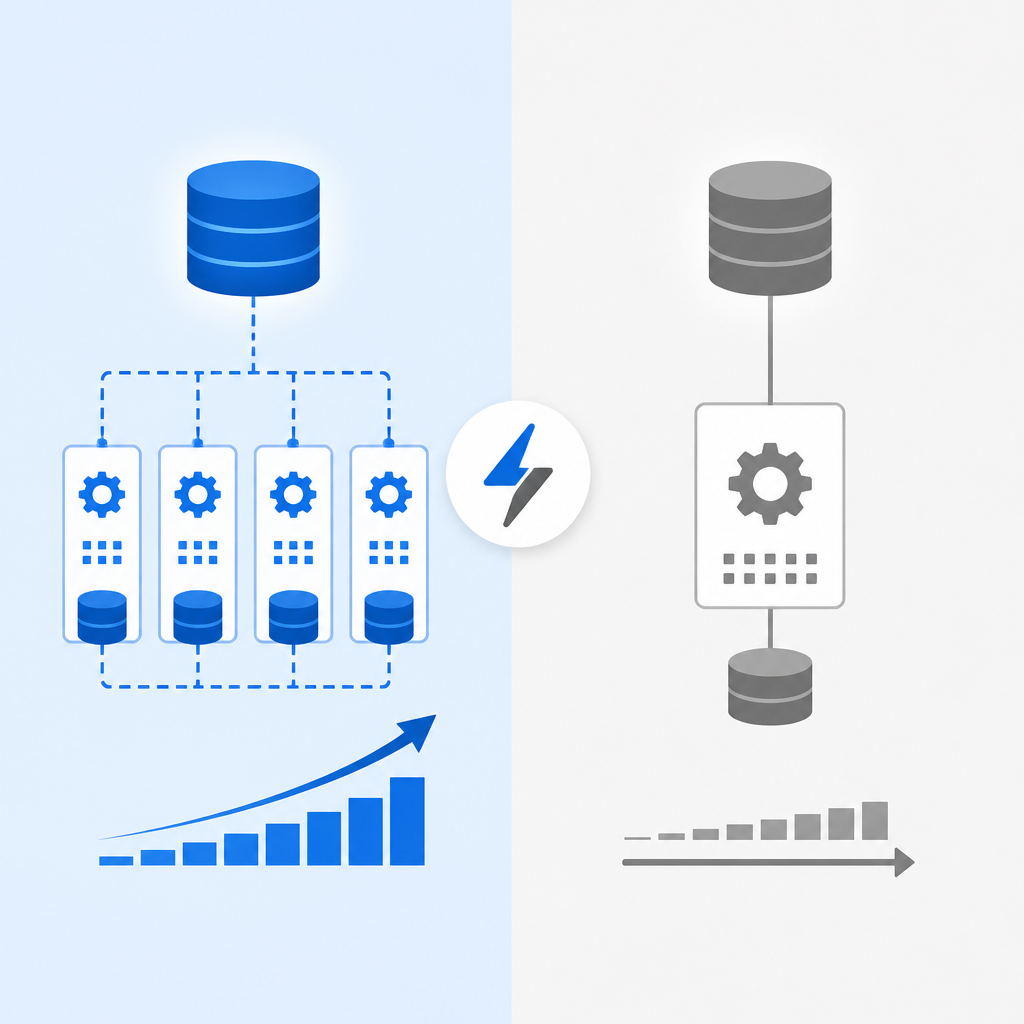
That detail matters because it frames the whole article: DSpark is being discussed in a practical, API-level context, not as an abstract architecture. Readers can see how a familiar client can talk to a local model server with minimal changes.
from openai import OpenAIbase_url="http://127.0.0.1:8000/v1"api_key="EMPTY"
2. Qwen/Qwen3-8B as the test model
The example call uses Qwen/Qwen3-8B, a model name that signals a concrete serving target. Instead of discussing DSpark in the abstract, the source shows a live request going to a specific 8B-class model.
This makes the comparison easier to read: if DSpark is being measured or explained against MTP methods, the model choice gives the reader a realistic workload. A short coding prompt is enough to expose differences in request handling, output quality, and response behavior.
- Model:
Qwen/Qwen3-8B - Task:
用 Python 写快排 - Max tokens:
512 - Temperature:
0.7
3. Chat completions as the request path
The code uses client.chat.completions.create, which is the simplest way to express a text generation request in a chat format. That matters because many MTP discussions become easier to compare when the request path is fixed and familiar.
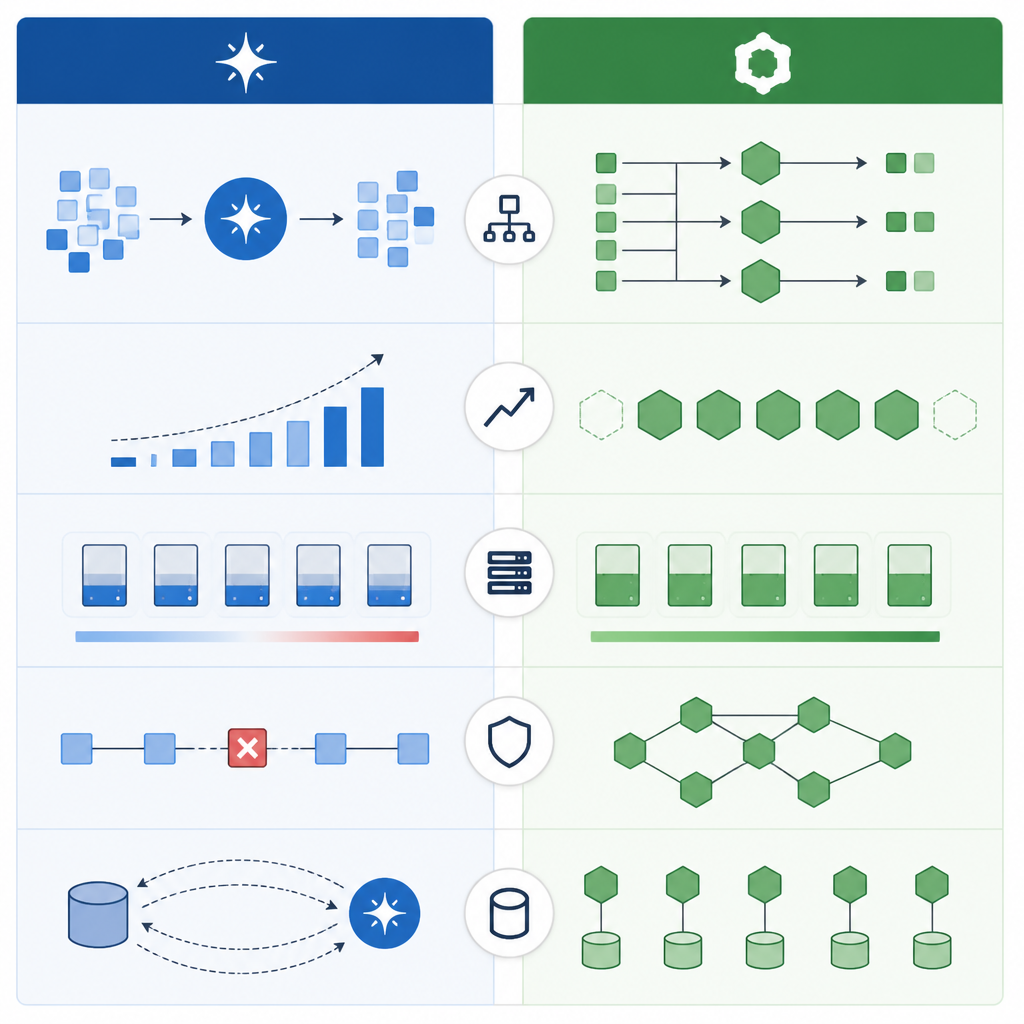
For readers trying to map DSpark to other methods, this is the cleanest anchor in the source. The request is not buried in framework-specific glue; it is a direct chat completion call with a single user message and a printed response.
resp = client.chat.completions.create(
    model="Qwen/Qwen3-8B",
    messages=[{
        "role": "user",
        "content": "用 Python 写快排"
    }],
    max_tokens=512,
    temperature=0.7,
)
print(resp.choices[0].message.content)
4. DSpark versus common MTP methods
The article title signals a technical comparison between DSpark and common MTP methods, but the source body itself is a single inference snippet. That means the main value is in the setup pattern: how a local model endpoint, a named model, and a chat completion request are assembled for testing.
For practical readers, the comparison likely boils down to implementation choices. DSpark may be the subject of the analysis, while MTP methods are the reference point for judging how the model-serving or inference path behaves under the same kind of prompt.
- Same client interface across methods
- Same prompt can test output quality
- Same endpoint style can simplify benchmarking
5. What the example actually teaches
The example shows how to build a minimal reproducible test for an LLM-serving discussion. If you want to compare DSpark with other MTP approaches, this is the right kind of script: one client, one model, one prompt, and one printed result.
That simplicity is useful because it reduces noise. You can swap the backend, keep the prompt fixed, and examine whether the method changes latency, response quality, or compatibility with the OpenAI-style API.
- Keep the prompt constant
- Change only the backend or method
- Inspect the returned code or explanation
How to decide
If you want a quick API-compatible test bed, this article’s setup is the best fit. If you are comparing DSpark with MTP methods, use the same OpenAI-style client and the same coding prompt so the differences are easier to spot.
If you care most about implementation details, treat the source as a template rather than a full benchmark. It gives you the minimum code needed to start a controlled comparison, which is often the most useful first step.
// Related Articles
- [IND]
AI Weekly: 2026-06-29 ~ 2026-07-06
- [IND]
Daily HuggingFace AI Papers keeps research moving
- [IND]
AI Companion Rules and App Rollbacks Explained
- [IND]
Meta’s $182.9B AI bet may need compute sales
- [IND]
What China’s AI unicorns are saying in 2026
- [IND]
Pinecone, Milvus, and 3 rivals that power AI search