Equity tokenization platform features that matter most
6 equity tokenization platform features explain how Blocsys builds compliant digital share systems for fundraising, ownership, and investor ops.

Equity tokenization platforms turn company shares into blockchain-based digital tokens.
Read these 6 items to understand what an equity tokenization platform needs to do, from investor onboarding to compliance and scaling. Blocsys says its service supports configurable KYC, AML, and jurisdiction-specific checks.
| Item | What it handles | Who it helps |
|---|---|---|
| Tokenized share issuance | Digital equity creation and distribution | Founders and finance teams |
| Investor onboarding | KYC, AML, accreditation, eligibility | Compliance and ops teams |
| Fractional ownership | Smaller ownership units for more buyers | Issuers and smaller investors |
| Smart contract automation | Transfers, dividends, voting, checks | Legal, admin, and product teams |
| Enterprise infrastructure | Scale, security, auditability | Large issuers and platforms |
1. Tokenized share issuance
Get the latest AI news in your inbox
Weekly picks of model releases, tools, and deep dives — no spam, unsubscribe anytime.
No spam. Unsubscribe at any time.
The core job of an equity tokenization platform is to turn company ownership into blockchain-based tokens. Blocsys describes this as a way to create secure digital equity that can be issued, transferred, and tracked through smart contracts instead of paper-heavy workflows.
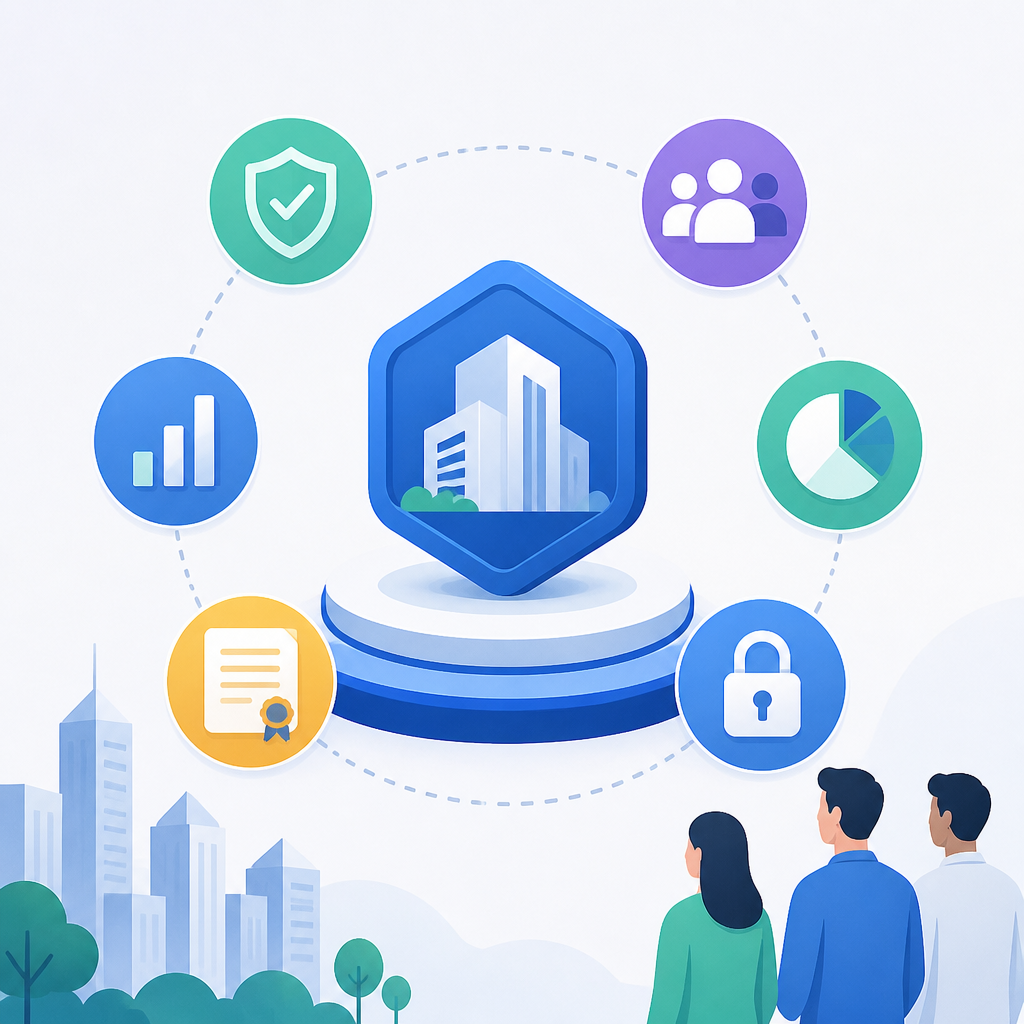
This matters because the token itself becomes the record of ownership. That gives teams a cleaner path for issuance, transfer history, and cap-table style administration.
- Blockchain-based digital shares
- Transparent ownership records
- Distribution tied to smart contract rules
2. Investor onboarding and compliance
Any real platform has to handle KYC, AML, investor accreditation, eligibility checks, and audit trails. Blocsys positions its service around regulatory-ready infrastructure, which is the difference between a demo and a system that can support actual fundraising.
For many buyers, this is the part that decides whether the platform can be used across markets. Compliance logic has to be configurable, because rules change by jurisdiction and by investor type.
- KYC and AML verification
- Accreditation and eligibility checks
- Transaction monitoring and auditability
3. Fractional ownership
Fractional ownership lets a company split equity into smaller digital units, so more investors can participate at lower entry amounts. Blocsys highlights this as a way to widen access and expand fundraising opportunities.
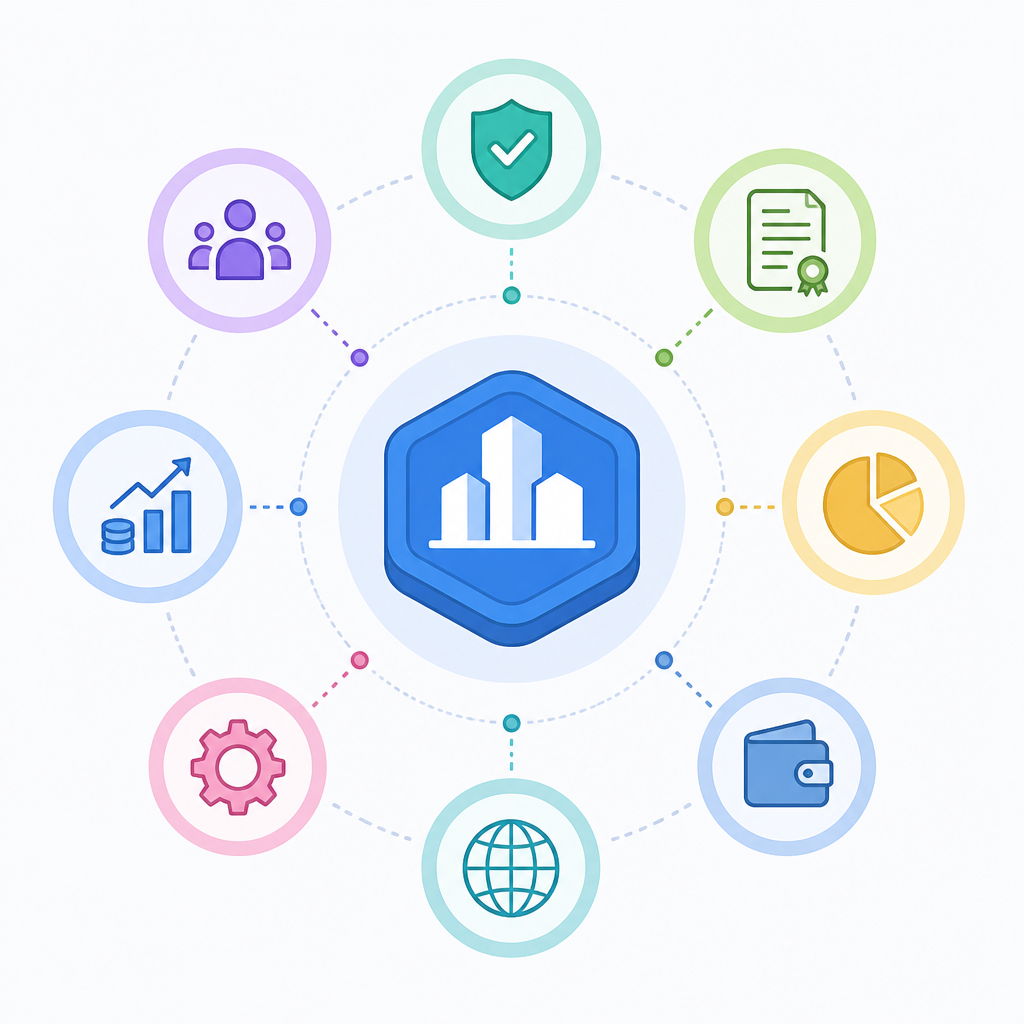
That is useful for startups, private companies, and asset managers that want to reach a broader investor base without changing the underlying ownership logic. It also helps reduce the friction that comes with high minimum investment thresholds.
- Lower minimum investment amounts
- Broader investor participation
- Better fit for private equity-style offers
4. Smart contract automation
Smart contracts are what make the platform more than a digital registry. Blocsys lists automation for equity issuance, ownership transfers, dividend payments, shareholder voting, and compliance checks, all of which reduce manual work and help prevent admin errors.
For teams managing investor relations, this is where the operational payoff shows up. The more corporate actions that can be encoded, the less time staff spend reconciling spreadsheets, email approvals, and off-chain records.
Automated actions can include:
- token issuance
- transfer approvals
- dividend distribution
- voting workflows
- compliance checks
5. Investor dashboard and reporting
A secure investor dashboard gives token holders a place to view ownership records, portfolio details, dividend history, transaction reports, and governance participation. Blocsys includes this as part of the platform experience, not as an optional add-on.
That dashboard matters because tokenized equity still needs clear investor communication. If holders cannot see what they own, what changed, and what actions they can take, the platform will create more support work than it removes.
- Real-time ownership visibility
- Dividend and transaction history
- Governance participation tools
6. Enterprise infrastructure and scalability
Blocsys frames its service as enterprise-grade, with secure architecture for large investor bases, high transaction volumes, and long-term digital asset growth. That is a practical requirement, not a brand claim, because equity systems tend to grow in complexity as more investors, entities, and rules get added.
If a platform cannot scale with auditability intact, it becomes risky for regulated fundraising. The best implementation is one that supports growth without forcing a rebuild when the cap table, investor count, or compliance scope expands.
- Secure and scalable architecture
- Large investor base support
- Long-term digital equity administration
How to decide
If you are a startup, begin with tokenized share issuance, investor onboarding, and fractional ownership, since those features directly affect fundraising speed and investor reach. If you are a regulated issuer or platform operator, put compliance, smart contract controls, and reporting first.
If your priority is long-term operations, choose the stack that can handle scale, audit trails, and investor self-service without adding manual review at every step. That is the difference between a tokenized demo and a usable equity platform.
// Related Articles