Gemini lands inside Apple’s developer stack
Google says Apple developers can call Gemini from Foundation Models and Xcode, starting with iOS 27-era APIs.
Google is bringing Gemini models into Apple’s Foundation Models framework and Xcode.
Apple developers just got a new cloud model option inside the tools they already use. Google says Gemini can now plug into Apple’s Foundation Models framework and Xcode, with support tied to the upcoming iOS 27, macOS 27, iPadOS 27, visionOS 27, and watchOS 27 APIs.
The pitch is simple: keep the native Apple developer experience, but swap in cloud-hosted Gemini when local inference is not enough. Google is also pushing Gemini into Xcode for coding help, so the same model family can show up in app logic and in the editor.
| Item | Detail |
|---|---|
| Apple platform versions | iOS 27, macOS 27, iPadOS 27, visionOS 27, watchOS 27 |
| Framework integration | Foundation Models framework via the public LanguageModel protocol |
| App integration path | Firebase AI Logic through the Firebase Apple SDK |
| Xcode access | Gemini in Xcode through the Intelligence settings panel |
| Access options | Self-serve API keys or enterprise quotas |
Google is betting on native access, not a separate stack
Get the latest AI news in your inbox
Weekly picks of model releases, tools, and deep dives — no spam, unsubscribe anytime.
No spam. Unsubscribe at any time.
The most interesting part of this announcement is what Google is not asking developers to do. Instead of building a custom backend just to call Gemini, Apple teams can use Firebase AI Logic through the Firebase Apple SDK. That means the model call sits inside the same app development flow, rather than turning into a side project with extra server code, auth plumbing, and maintenance overhead.
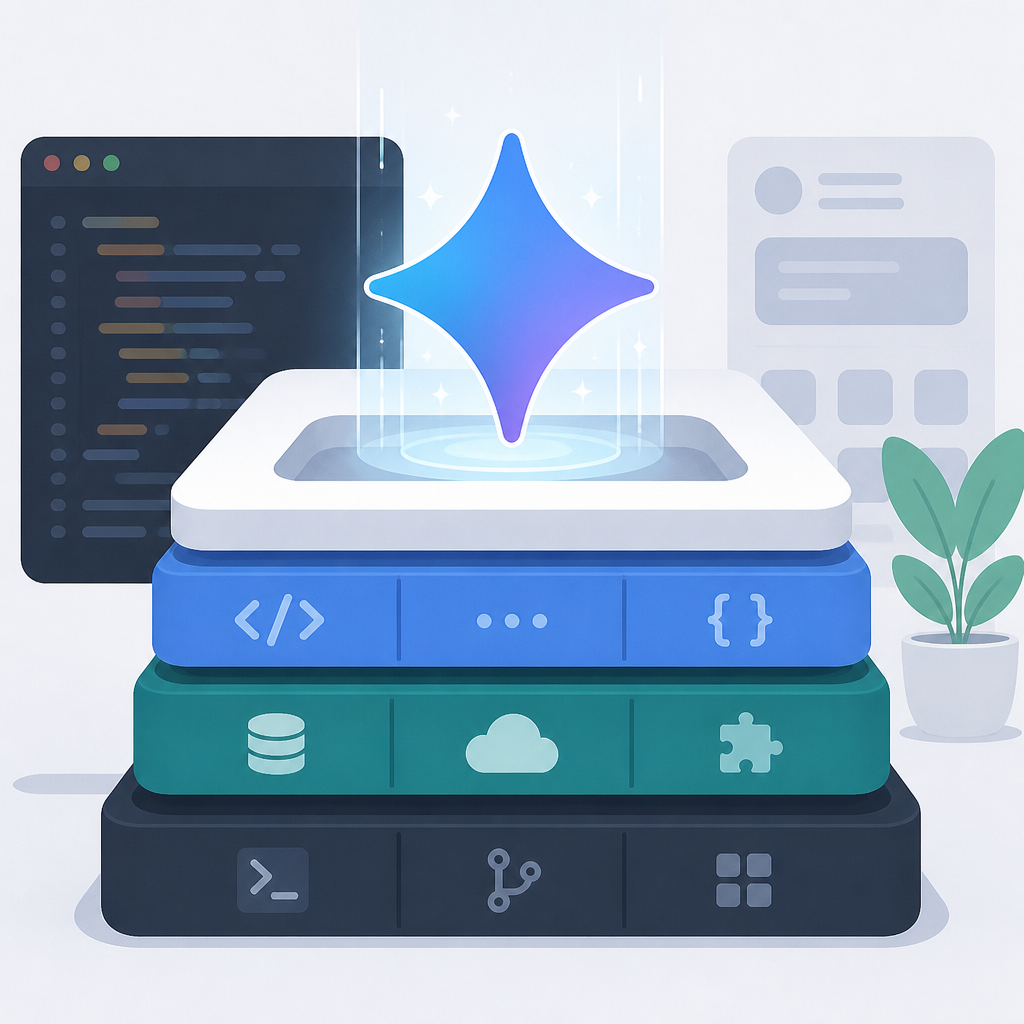
Google says the Foundation Models integration exposes Gemini through the same API surface Apple apps already use for on-device models. In practice, that matters because developers can keep one interface and decide where inference should happen based on latency, cost, or capability. If a task works well on-device, keep it local. If the app needs a heavier reasoning step or a richer response, send it to Gemini in the cloud.
That split is especially useful for agentic apps, where a model may need to plan, call tools, and respond across multiple steps. Apple’s local models can handle some of that work, but cloud models are still better for larger context windows, more complex prompts, and workloads that need stronger reasoning.
- Cloud inference can reduce pressure on device memory and battery.
- Local inference can keep simple tasks fast and private.
- A shared API makes it easier to switch between the two.
- Firebase App Check adds abuse protection for service APIs.
Xcode gets a model that can help across multiple steps
Google also says Gemini is now integrated into Xcode, giving developers an agentic coding experience without bouncing between tools. That is a practical move, because coding assistants are only useful when they stay close to the codebase, the build system, and the editor state. If a model can review code, suggest fixes, and help add features from inside Xcode, the workflow gets tighter.
To turn it on, developers go through the Intelligence settings panel in Xcode. Once configured, Gemini can help with multi-step work instead of just single-shot autocomplete. Google’s wording is careful here, but the direction is obvious: this is about reducing the number of context switches during development.
“We’re excited to share that Apple developers can now securely call cloud-hosted Gemini models using the Foundation Models framework, and access Gemini in Xcode.” — Nicholas McNamara, Senior Product Manager at Google
That quote matters because it makes the integration sound less like a demo and more like a productized workflow. Google is not just showing off model access. It is trying to make Gemini part of the default Apple developer toolchain.
There is also a broader strategic angle here. Apple has spent years making its developer stack feel coherent, and Google is meeting that design goal head-on. Rather than asking Apple teams to learn a new SDK pattern, Google is wrapping Gemini in Apple-native concepts like the Foundation Models framework and Xcode settings.
The access model is split between solo developers and teams
Google is also separating access by developer type, which is smart because Apple app teams do not all buy AI the same way. Individual developers can get a self-serve key through Google AI Studio, which includes a free tier and a paid tier for more advanced models and higher volume. Enterprise teams can use Gemini Enterprise Agent Platform to get API keys tied to corporate quotas and privacy controls.
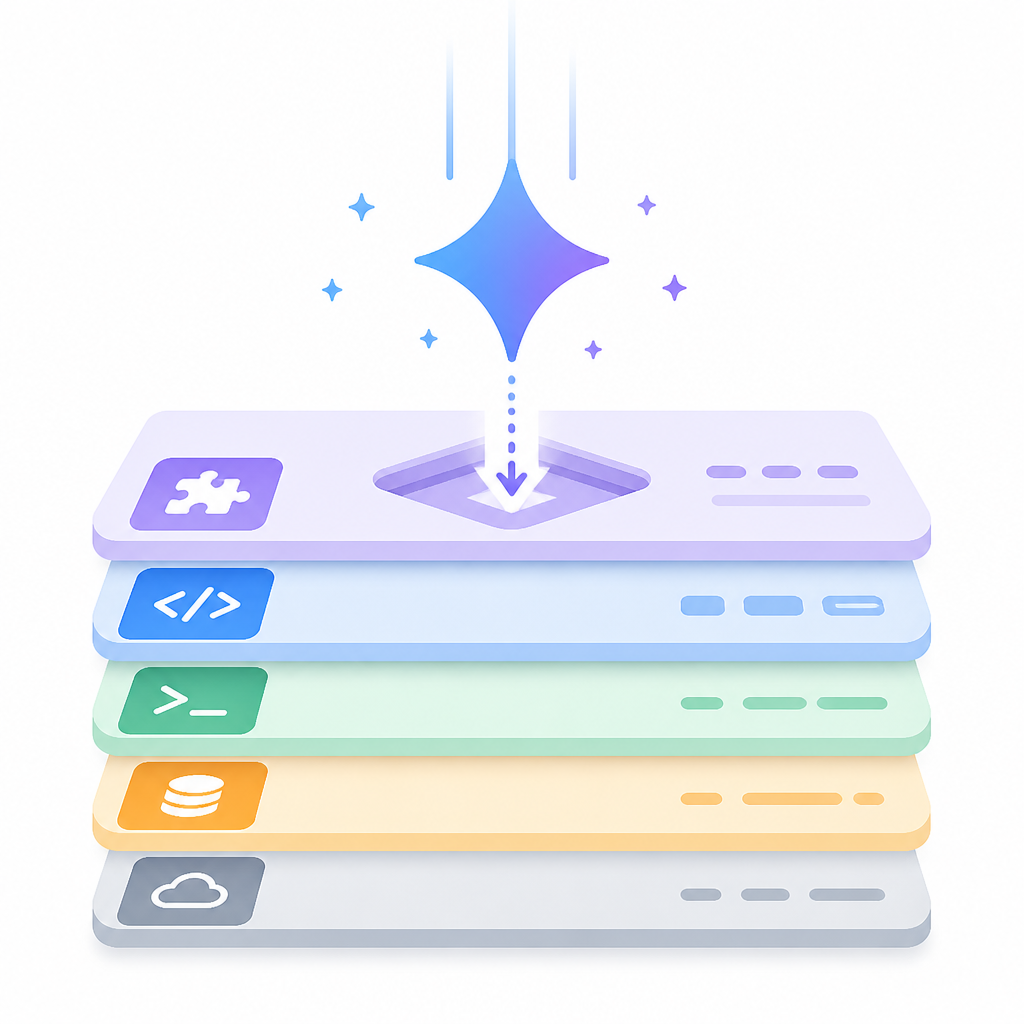
That split tells you who Google wants to win over first. Solo iOS developers care about speed and low friction. Larger orgs care about quotas, policy control, and predictable access. The announcement tries to satisfy both without forcing the same buying motion on everyone.
- Google AI Studio targets individual builders who want quick setup.
- Enterprise access targets teams that need quota management and privacy terms.
- Firebase AI Logic removes the need for a separate model proxy server.
- Firebase App Check adds a layer of protection around model endpoints.
There is a practical upside for app teams that already work with Apple’s Foundation Models framework. Google says switching to Gemini can be as small as swapping the model instance. If that holds up in real projects, it lowers the cost of experimentation. Teams can prototype with Apple’s local model, then move heavier tasks to Gemini without rewriting the whole app.
That kind of portability is what makes the announcement more than a press-release partnership. It turns model choice into an implementation detail instead of a full architecture decision. For developers shipping consumer apps, that is a meaningful difference.
What this means for Apple developers over the next year
Apple’s WWDC announcement opened the door to third-party cloud models in Foundation Models, and Google moved fast to claim a spot inside that door. The combination of native API access, Xcode integration, and Firebase-based app integration gives Gemini a real path into Apple development workflows.
The bigger question is whether developers actually use the cloud option as often as Google hopes. If local Apple models are good enough for many tasks, cloud usage may stay selective. But if teams are building richer assistants, more complex content tools, or apps that need larger reasoning steps, Gemini’s cloud access could become the default fallback.
That is the part worth watching: whether Apple’s new framework becomes a common abstraction layer for multiple model providers, or whether one or two vendors end up dominating the easiest integrations. For now, Google has made a clear move to be the model Apple developers try first when local inference is not enough.
For teams building on iOS 27-era APIs, the practical next step is straightforward: test the preview, compare local and cloud behavior on a real feature, and measure whether the model swap actually saves time. If it does, Gemini may become one of the quietest but most useful additions to the Apple developer stack this year.
// Related Articles
- [IND]
Musk’s Grok Imagine bets big on an Odyssey film
- [IND]
Rust 661’s best releases for builders this week
- [IND]
Deepwoken’s Second Layer hides Ethiron below Scyphozia
- [IND]
AMD is right to use Anthropic to break CUDA’s grip
- [IND]
AI Weekly: 2026-07-20 ~ 2026-07-27
- [IND]
WAIC 2026 turns AI hype into real work