GLM-5 Is Right to Kill Vibe Coding and Push Agent Engineering
GLM-5 is a useful signal that AI development must move from vibe coding to agent engineering.

GLM-5 says AI development must move from vibe coding to agent engineering.
GLM-5 is right to reject vibe coding and force AI teams to build agents like real software systems, not improvisational demos. The project’s own framing, across GLM-5, GLM-5.1, and GLM-5.2, makes the case plain: prompt-tweaking is not enough once models are expected to plan, use tools, keep state, and complete work across steps. That is the point at which AI stops being a clever interface trick and becomes infrastructure.
Agent engineering is the only path to reliability
Get the latest AI news in your inbox
Weekly picks of model releases, tools, and deep dives — no spam, unsubscribe anytime.
No spam. Unsubscribe at any time.
Vibe coding works when the goal is a quick prototype, a one-off script, or a flashy internal demo. It fails when the system has to behave predictably under pressure. The moment an agent needs to call tools, recover from errors, or preserve context across a long task, intuition becomes a liability. Engineering discipline is not optional there; it is the difference between a useful system and an expensive toy.
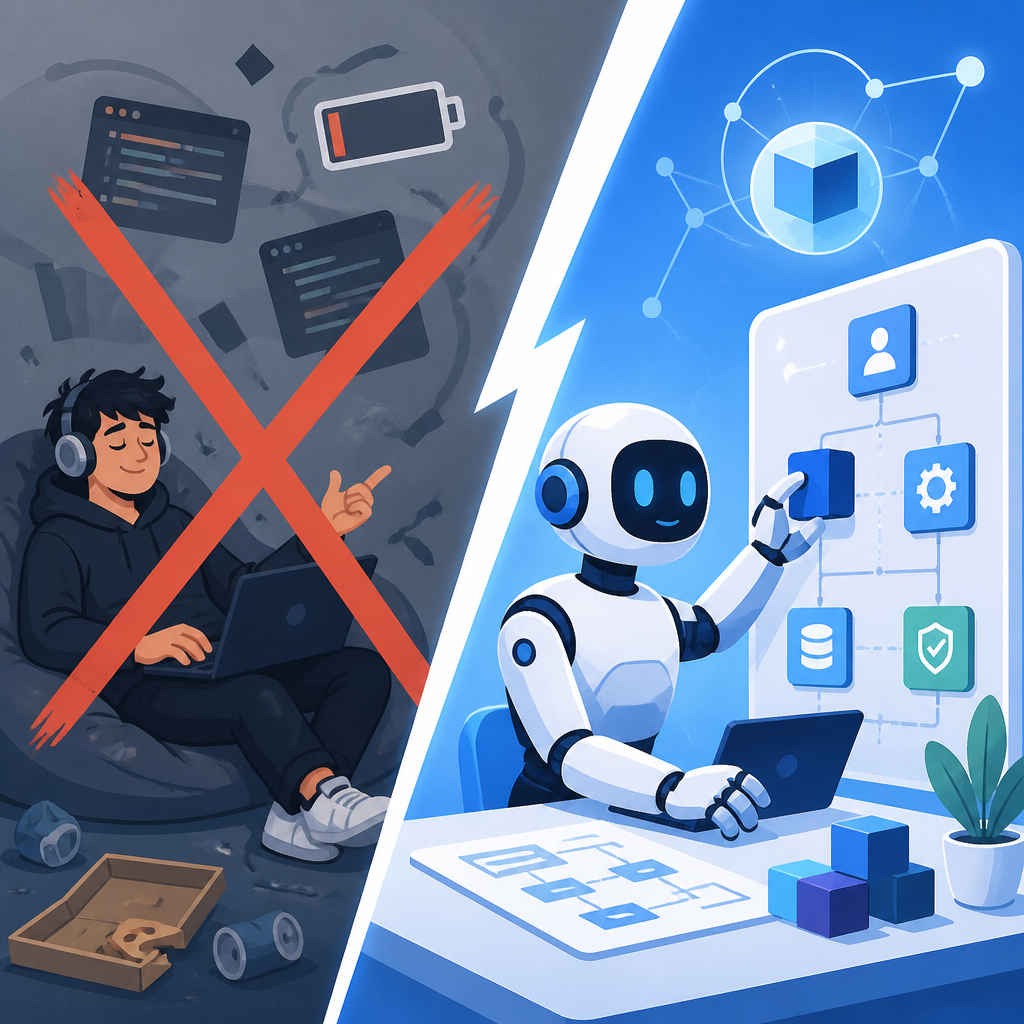
We have already seen this pattern in every software wave that began with “just make it work.” Early web apps, cloud automation, and mobile products all started with rough experimentation, then matured only when teams imposed architecture, testing, observability, and versioning. GLM-5’s version ladder matters because it signals that the developers understand this same arc. If a model family is serious about agent behavior, it must be judged on repeatability, not on how impressive the first prompt looked.
Structured agents will beat prompt folklore
The biggest weakness of vibe coding is that it relies on tacit knowledge. One engineer discovers the right wording, another copies the prompt, and a third gets a different result because the hidden state changed. That is not a development method; it is folklore. Agent engineering replaces that with explicit components: task decomposition, tool policies, memory boundaries, and testable control flow. Those pieces can be inspected, improved, and shared.
Open source makes this shift even more important. A repository on GitHub invites reuse, but reuse only works when behavior is legible. A team adopting GLM-5 will not want a mystical prompt recipe; it will want a system it can instrument, benchmark, and modify. The fact that the project is presented as a series, not a single magic release, is a healthy sign. It suggests the creators know that agentic AI improves through iteration and discipline, not through charisma.
Agent engineering matches the real bottleneck in AI
The industry has spent years obsessing over model intelligence as if better answers were the whole problem. They are not. In production, the bottleneck is orchestration: deciding what the model should do next, when to use a tool, how to verify output, and how to stop runaway behavior. GLM-5 gets this right by shifting attention from raw prompting to the mechanics of execution. That is where real value lives.
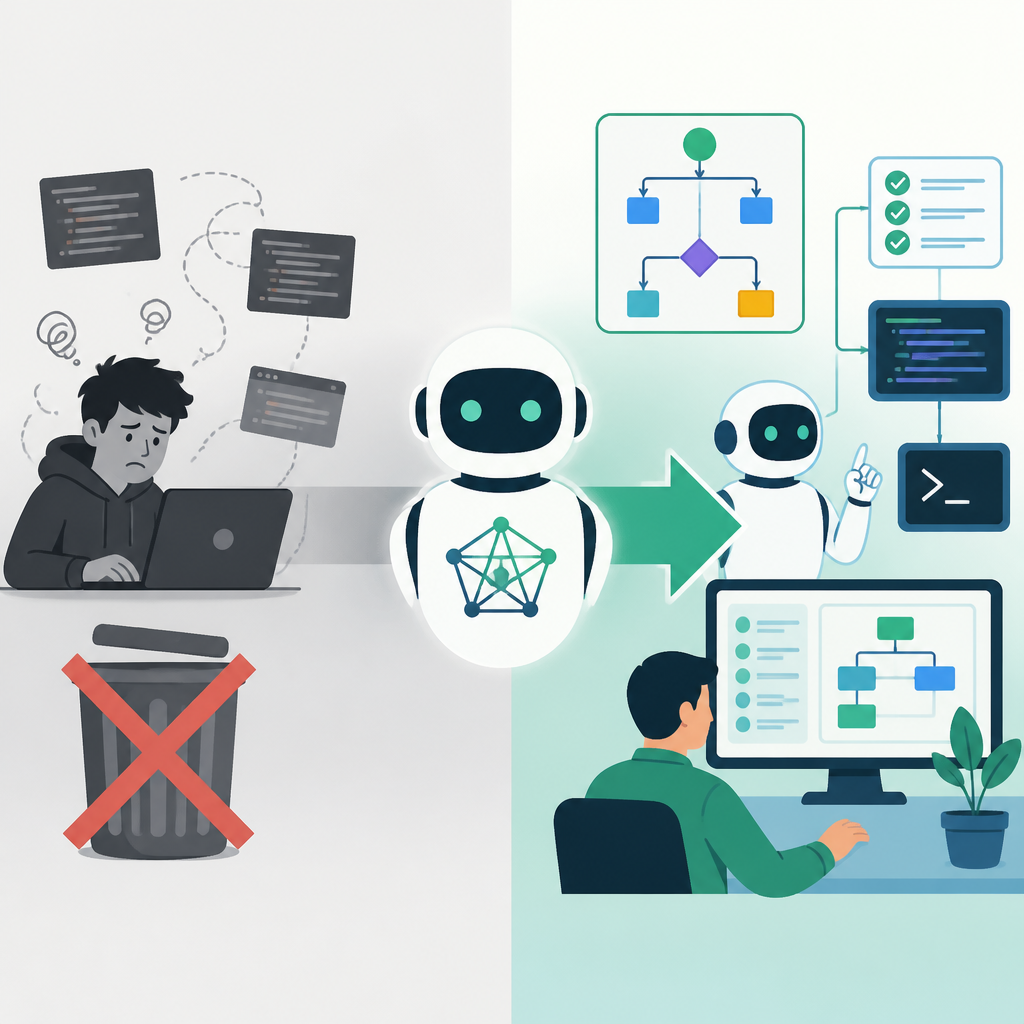
Look at the kinds of work companies actually want from agents: software changes, customer support triage, research summarization, data lookup, and multi-step operations that touch external systems. None of these are solved by a clever prompt alone. They require guardrails, state management, and a workflow the team can trust. If GLM-5 helps normalize that expectation, it pushes the market in the right direction. It tells founders and product teams that the next competitive edge is not a better chat trick, but a better operating model for autonomy.
The counter-argument
The best case for vibe coding is speed. It lets small teams explore ideas without the overhead of formal architecture. In a field that changes weekly, that matters. A rigid engineering mindset can slow experimentation, overfit teams to premature structure, and make it harder to discover what users actually need. For early-stage products, the messiness of prompting is often the cheapest way to learn.
There is also a practical concern: agent engineering can become theater. Teams may add memory, planners, evaluators, and tool layers before they have a single user problem worth solving. That kind of machinery can hide weak product thinking behind technical ceremony. If the model is not yet dependable enough to justify autonomy, then all the engineering in the world will not save the experience.
That critique is valid, but it does not defeat GLM-5’s direction. It only defines the boundary. Vibe coding belongs in exploration; agent engineering belongs in delivery. The mistake is treating the first as a permanent operating model. Once a system is expected to act on behalf of users, the team must graduate to structure, or accept that failures are part of the product. GLM-5 is right to draw that line.
What to do with this
If you are an engineer, stop treating agent behavior as prompt craft and start treating it as software design. Define tool contracts, add evals, log every action, and make failure states visible. If you are a PM or founder, push your team to separate experimentation from production. Use vibe coding to discover value, then invest in agent engineering the moment the workflow touches real users, real data, or real money. That is how AI systems become dependable products instead of impressive prototypes.
// Related Articles
- [AGENT]
Agent Plugins 1.0.0 turns skills into folders
- [AGENT]
FaithEyes lets you train tool-faithful vision agents
- [AGENT]
Connect Qwen 3.8 Max to CLI Agents
- [AGENT]
Fine-tune a small LLM for legal labeling
- [AGENT]
SALA Boosts Long Context on Edge AI
- [AGENT]
Anthropic’s breach proves AI agents need hard security limits