GPT-Live brings faster voice chat to ChatGPT
OpenAI is rolling out GPT-Live in ChatGPT, giving paid users GPT-Live-1 and pushing voice interaction closer to Doubao and Gemini.

OpenAI is rolling out GPT-Live in ChatGPT to replace its older voice mode.
At 00:00 Beijing time on July 9, OpenAI began rolling out a new real-time voice model called GPT-Live inside ChatGPT. Paid users get GPT-Live-1 first, while free users are being moved over more gradually.
| Item | Value |
|---|---|
| Announcement time | July 9, Beijing time |
| Paid-user model | GPT-Live-1 |
| Product affected | ChatGPT voice mode |
What changed in ChatGPT voice
Get the latest AI news in your inbox
Weekly picks of model releases, tools, and deep dives — no spam, unsubscribe anytime.
No spam. Unsubscribe at any time.
The big story is not that ChatGPT finally has voice. It is that the voice experience is being rebuilt around a model that reacts faster and feels closer to live conversation. That matters because voice input only feels useful when the lag disappears.
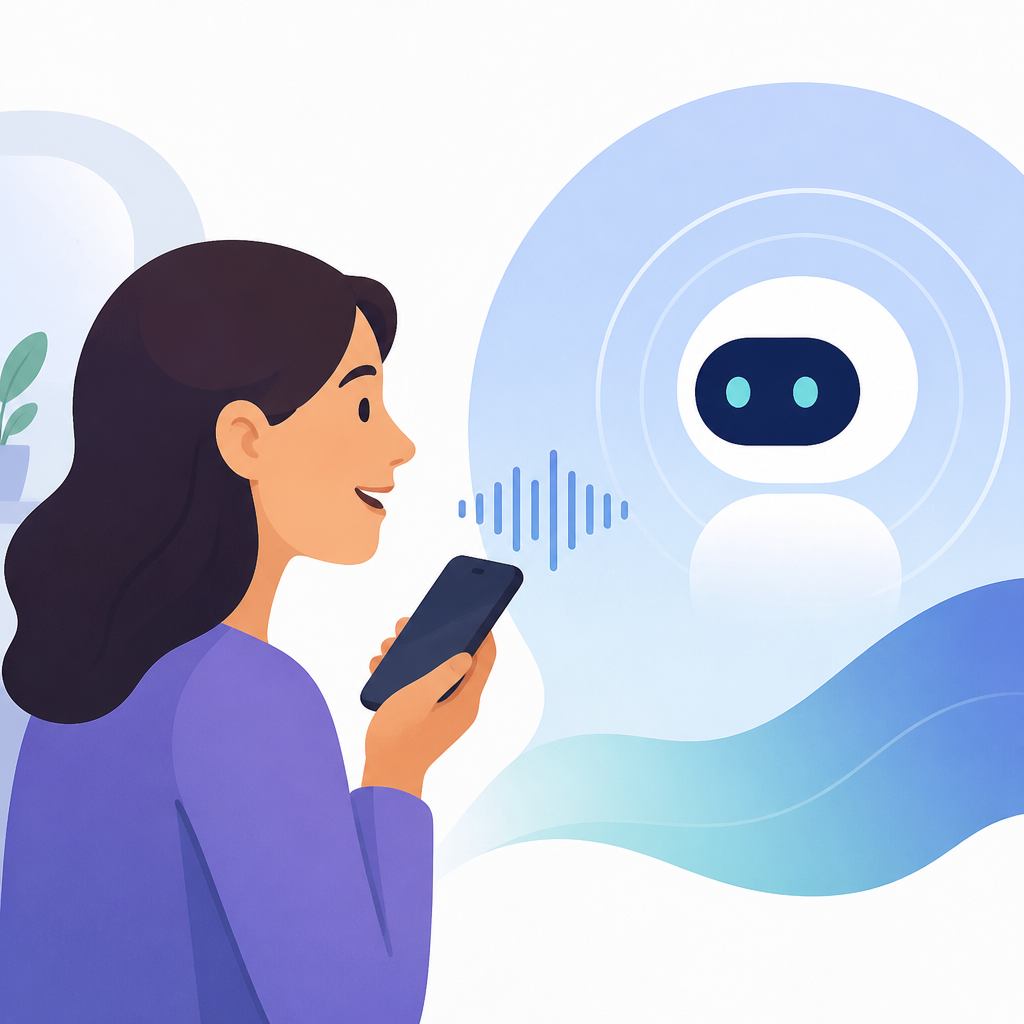
OpenAI has spent years polishing text chat, but voice has lagged behind rivals in day-to-day feel. In a phone call or a quick back-and-forth with an assistant, even a small delay breaks the illusion of talking to a person.
- OpenAI is moving voice mode to GPT-Live.
- Paid users already get GPT-Live-1.
- Free users are being upgraded later.
- The rollout began on July 9.
This is also a product-quality move, not a feature dump. The company is trying to make voice the default way to use ChatGPT for short tasks, quick questions, and hands-free interaction.
Why the timing matters
Voice assistants have had a messy history. Apple had Siri, Google Assistant pushed speech input for years, and Doubao has been aggressive in conversational AI. The problem has always been the same: fast responses are easy to demo and hard to sustain in real use.
That is why the comparison with Gemini and Doubao matters. Users do not remember model names for long; they remember whether the assistant answered before they lost patience. If GPT-Live cuts response latency enough, the model name becomes less important than the feeling of immediacy.
“The most important thing is latency,” OpenAI CEO Sam Altman said in a 2024 post on X about the company’s voice work.
That line explains the whole push. Voice is a timing problem first and a language problem second. Once the delay drops, the assistant feels smarter even if the underlying model changes are subtle.
How GPT-Live compares with rivals
OpenAI has not published a full technical breakdown in the source story, so the comparison has to stay grounded in product behavior. The useful question is simple: does GPT-Live answer faster, interrupt less, and hold a natural speaking rhythm better than the alternatives?
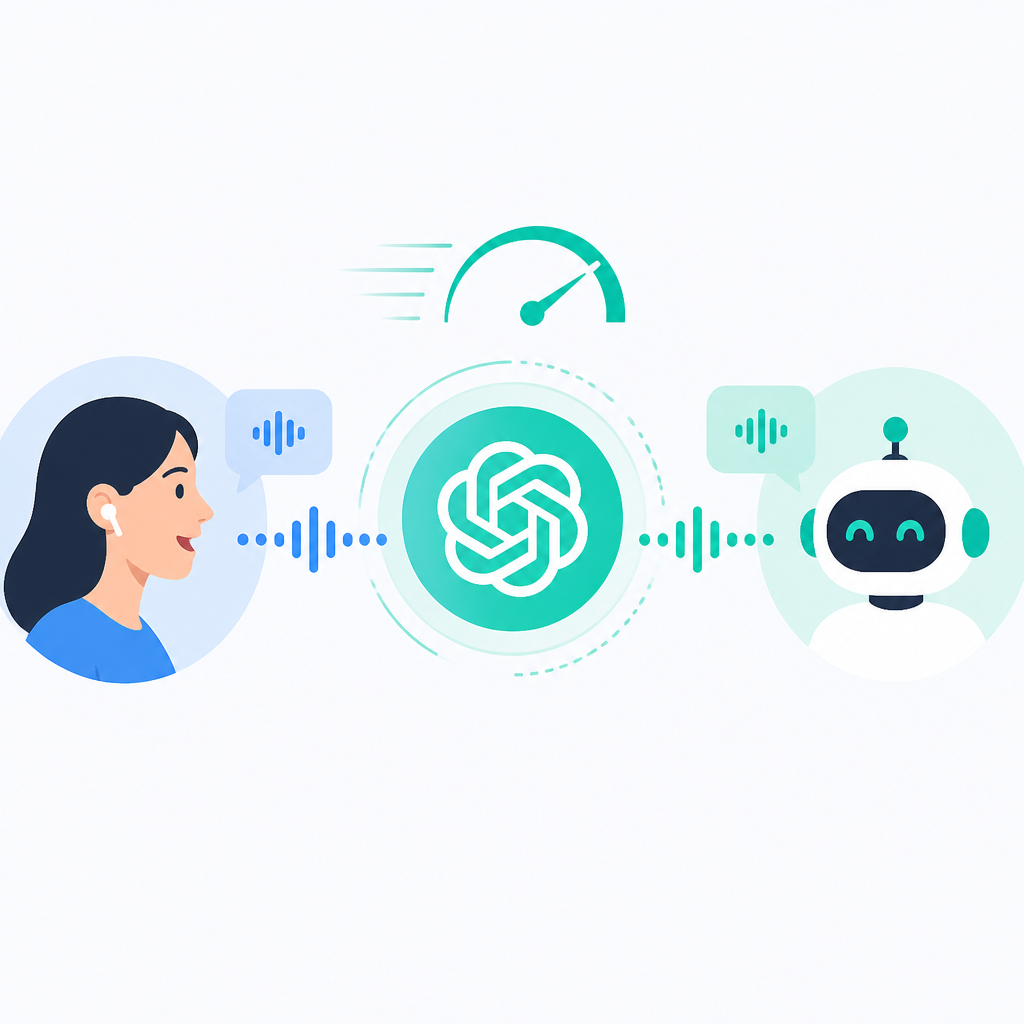
That is where the market is now. Doubao has built a reputation for conversational speed in China, while Gemini has been pushing multimodal interaction across Google products. OpenAI’s task is to make ChatGPT feel equally immediate, then make that speed useful across the rest of the app.
- Doubao has strong consumer voice adoption in China.
- Gemini is tied to Google’s broader multimodal stack.
- ChatGPT has a large existing text-first user base.
- GPT-Live-1 is rolling out to paid users before free users.
If OpenAI gets the pacing right, it can turn voice from a novelty into a habit. If it misses, users will keep treating voice as a demo feature and go back to typing.
What developers should watch next
For developers, the important signal is not just the model name. It is whether OpenAI exposes the same real-time behavior through APIs, whether tool calling becomes faster in spoken interactions, and whether voice features become easier to build into third-party apps.
There is also a wider product question. Once a voice model becomes good enough for daily use, it changes how people expect assistants to work in cars, headsets, support bots, and note-taking tools. That creates pressure on every company building speech interfaces to reduce delay, improve turn-taking, and make interruptions feel natural.
The rollout of GPT-Live suggests OpenAI now sees voice as a primary interface, not a side feature. The next test is simple: can it stay ahead when users compare it side by side with Doubao and Gemini in real conversations, not demo clips?
// Related Articles
- [MODEL]
Kimi API quickstart adds K2.7 Code and Highspeed
- [MODEL]
Anthropic extends Claude Fable access after GPT-5.6
- [MODEL]
GPT-5.6 Sol Review: Faster Coding, Lower Cost
- [MODEL]
GPT-5.6 family lands with Luna, Terra, Sol
- [MODEL]
GPT-5.6 benchmarks: Sol tops coding, cuts costs
- [MODEL]
GPT-5.6 turns OpenAI into a model menu