Icon’s Claude deal shows clinical trials need AI, not pilots
Icon’s Anthropic partnership is a sign that clinical trials need production AI, not more pilots.
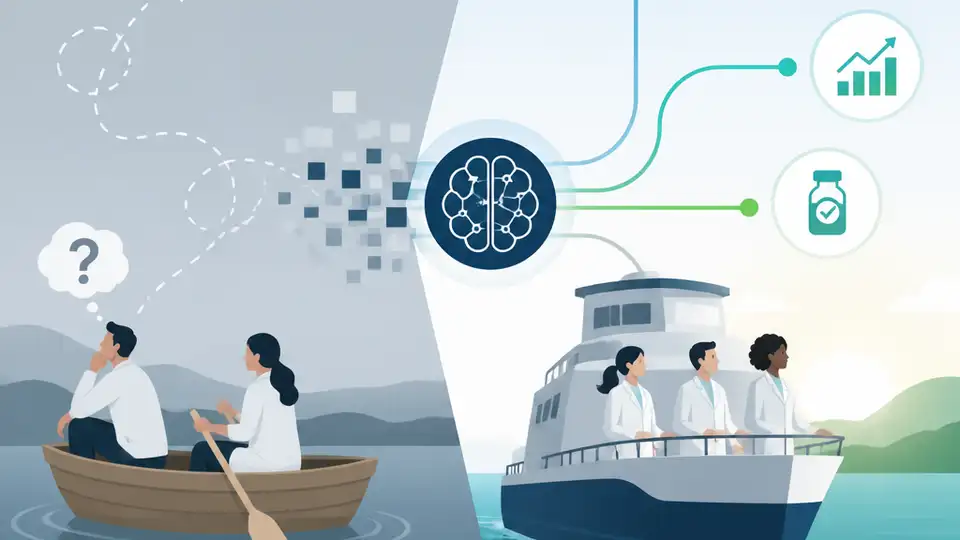
Multi-year AI partnerships are moving clinical trials from pilots to production.
Icon’s multi-year partnership with Anthropic is the right move because clinical trials are already too complex, too slow, and too document-heavy to keep treating AI as a side experiment. When a contract research organization commits to Claude across trial workflows, it signals that the value is no longer in demo-grade chatbots but in systems that can handle regulated work at scale.
Clinical operations are drowning in text, and that is where Claude fits
Get the latest AI news in your inbox
Weekly picks of model releases, tools, and deep dives — no spam, unsubscribe anytime.
No spam. Unsubscribe at any time.
Trials generate an endless stream of protocols, amendments, site communications, safety narratives, monitoring notes, and regulatory correspondence. That is not a niche use case for generative AI; it is the core workload. Claude’s strength is not novelty. It is reading, summarizing, comparing, and drafting across long, messy documents faster than human teams can do by hand.
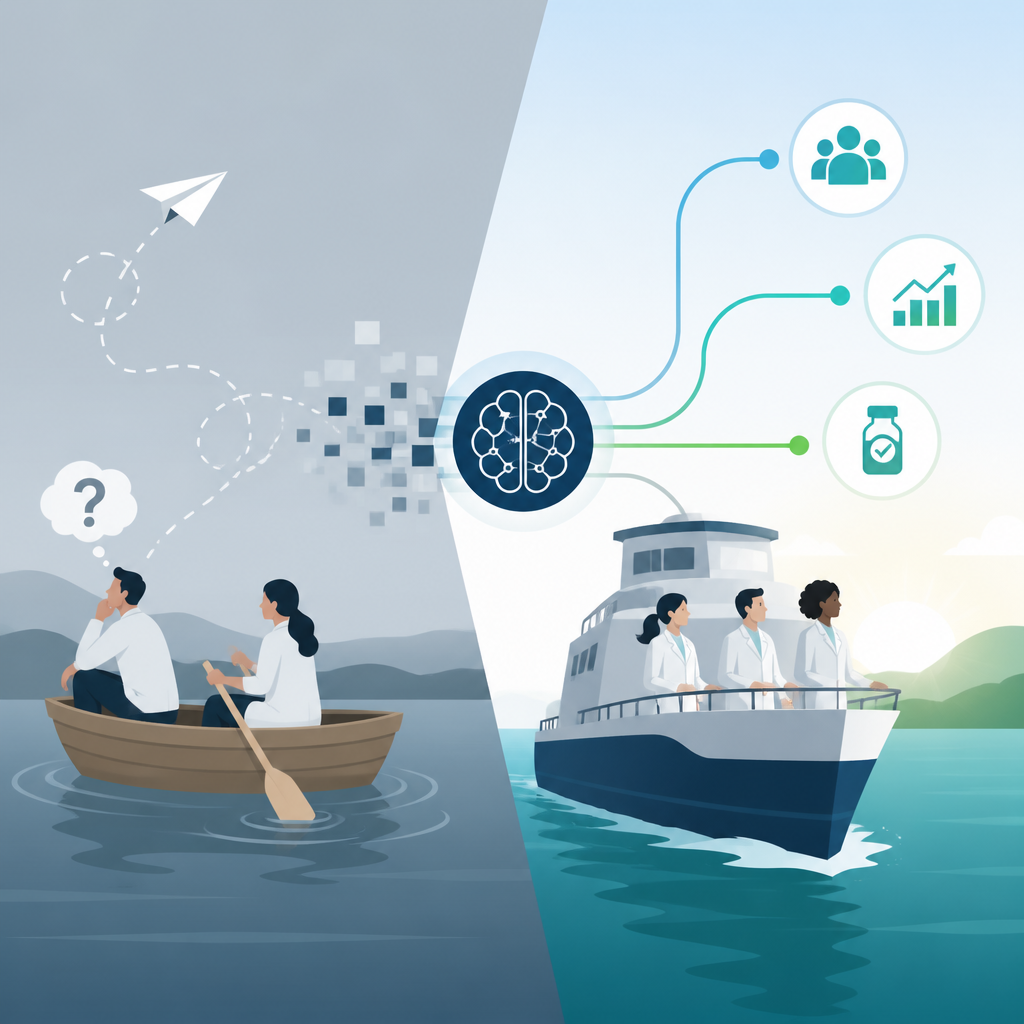
In practice, that matters because every hour spent rechecking a protocol or reconciling a site issue is an hour taken from enrollment, query resolution, and patient follow-up. A CRO like Icon does not need a flashy assistant. It needs a system that reduces the administrative drag that slows every trial down. If Claude can shorten review cycles or improve consistency in trial documentation, the productivity gain compounds across sponsors, sites, and monitors.
Regulated workflows demand vendor commitment, not sandbox experimentation
The strongest argument for a multi-year deal is that clinical trials punish half-measures. A pilot can prove a model can summarize a document. It does not prove the model can survive governance, auditability, access controls, and integration with existing operating procedures. In regulated environments, the real cost is not model inference. It is operational trust.
That is why Icon’s move is more important than a typical enterprise AI announcement. A CRO sits in the middle of sponsor expectations, site realities, and compliance obligations. If Anthropic and Icon are serious, they have to build workflows that are repeatable, reviewable, and safe enough for real trial execution. That is the standard the industry should demand. Anything less is theater.
The counter-argument
The skeptical view is straightforward: clinical trials are too sensitive for a general-purpose model, no matter how polished the vendor story sounds. Errors in protocol interpretation, adverse event handling, or patient-facing communication can create legal and ethical risk. There is also a real fear that AI adoption will encourage teams to move faster than the evidence supports, especially when executives are desperate to cut timelines and costs.
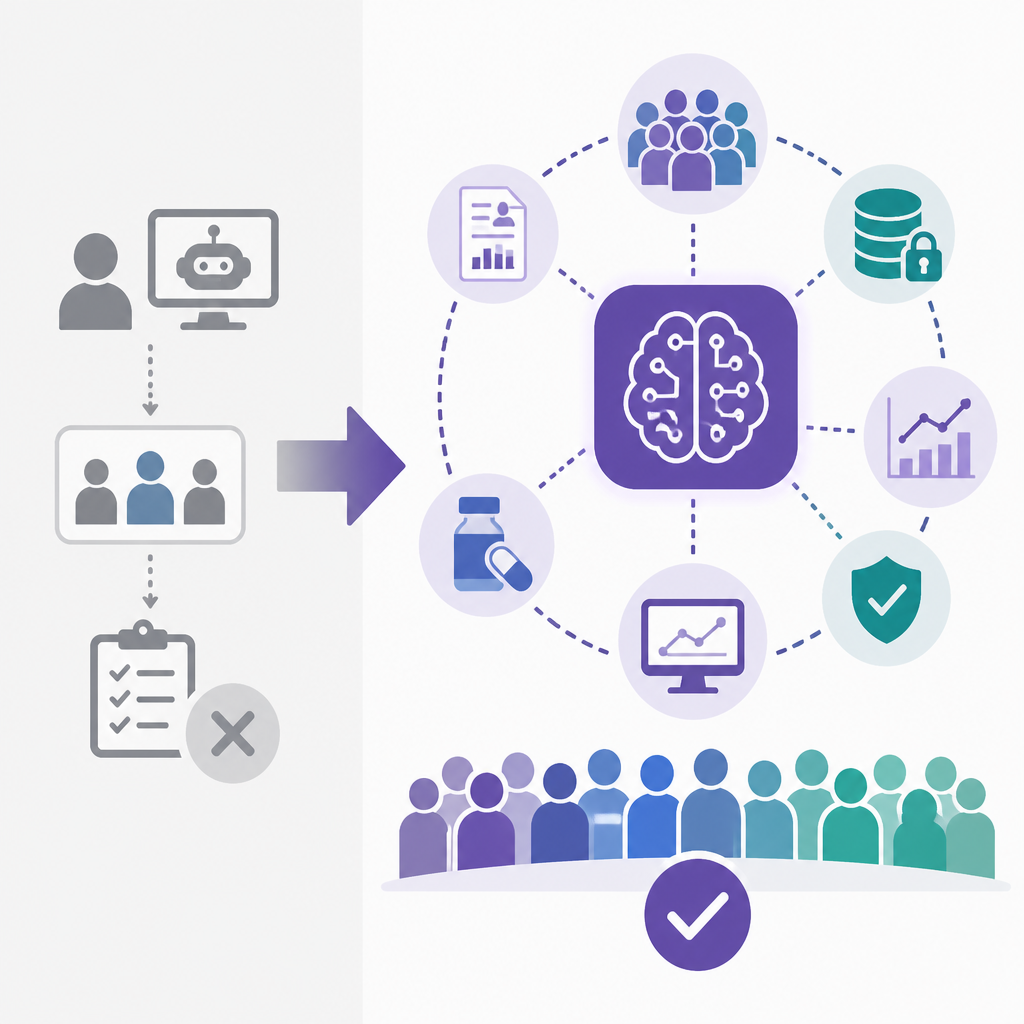
That concern is valid, and it should not be waved away. But it argues for disciplined deployment, not for standing still. The answer is not to ban AI from clinical operations. The answer is to constrain it to the parts of the workflow where it adds clear value, keep humans in the loop for judgment calls, and measure outcomes against hard operational metrics. In other words, the risk is manageable because the use case is bounded. The bigger mistake is pretending manual processes are inherently safer when they already fail at scale.
What to do with this
If you are an engineer, PM, or founder building for life sciences, stop pitching AI as a novelty and start designing for regulated throughput: document provenance, review trails, role-based access, and measurable cycle-time reduction. If your product cannot survive an audit and save time at the same time, it is not ready for clinical trials. Icon’s deal is the signal. Production-grade AI is now the baseline, and the winners will be the teams that operationalize it without compromising control.
// Related Articles
- [IND]
NVIDIA’s SSI deal turns compute into a toll booth
- [IND]
Anthropic’s latest SCMP coverage in 5 clear themes
- [IND]
OWASP’s 2026 LLM Top 10 shifts risk priorities
- [IND]
Silicon Valley’s AI “Breakdowns” Are a PR Play, Not a Signal of Doom
- [IND]
WebAssembly’s JVM shift is making Java more portable
- [IND]
Anthropic is hiring a custom chip design team