Kubernetes sets rules for AI-assisted maintainership
Kubernetes has set guardrails for AI-assisted maintainership, keeping final code review, accountability, and disclosure in human hands.

Kubernetes now requires human maintainers to own final review, even when AI helps with code.
Kubernetes has drawn a hard line around AI in open-source maintenance. The community is allowing AI tools into the workflow, but it is also making sure that humans stay responsible for code quality, security, and the final merge decision.
The policy is part workflow guidance, part trust document. It says AI can help with repetitive review work and test triage, yet it cannot replace the judgment that comes from knowing a project’s architecture, history, and long-term tradeoffs.
| Policy item | What Kubernetes requires | Source detail |
|---|---|---|
| Final review | Human maintainers approve merges | AI is advisory only |
| Disclosure | AI use must be stated in PRs | Required in pull request descriptions |
| Commit messages | AI-generated commit messages are banned | Must remain human-authored |
| Pilot repos | Tools are tested in kubernetes-sigs projects | Kueue and Agent-Sandbox named |
| Burnout reduction | AI may triage failing tests | Operational pipeline support |
Human accountability stays in charge
Get the latest AI news in your inbox
Weekly picks of model releases, tools, and deep dives — no spam, unsubscribe anytime.
No spam. Unsubscribe at any time.
The sharpest part of the policy is simple: AI can assist, but it cannot own the work. Kubernetes says maintainers need to understand and answer questions during review, which matters because open source depends on people who can explain why a change exists, not just whether it compiles.
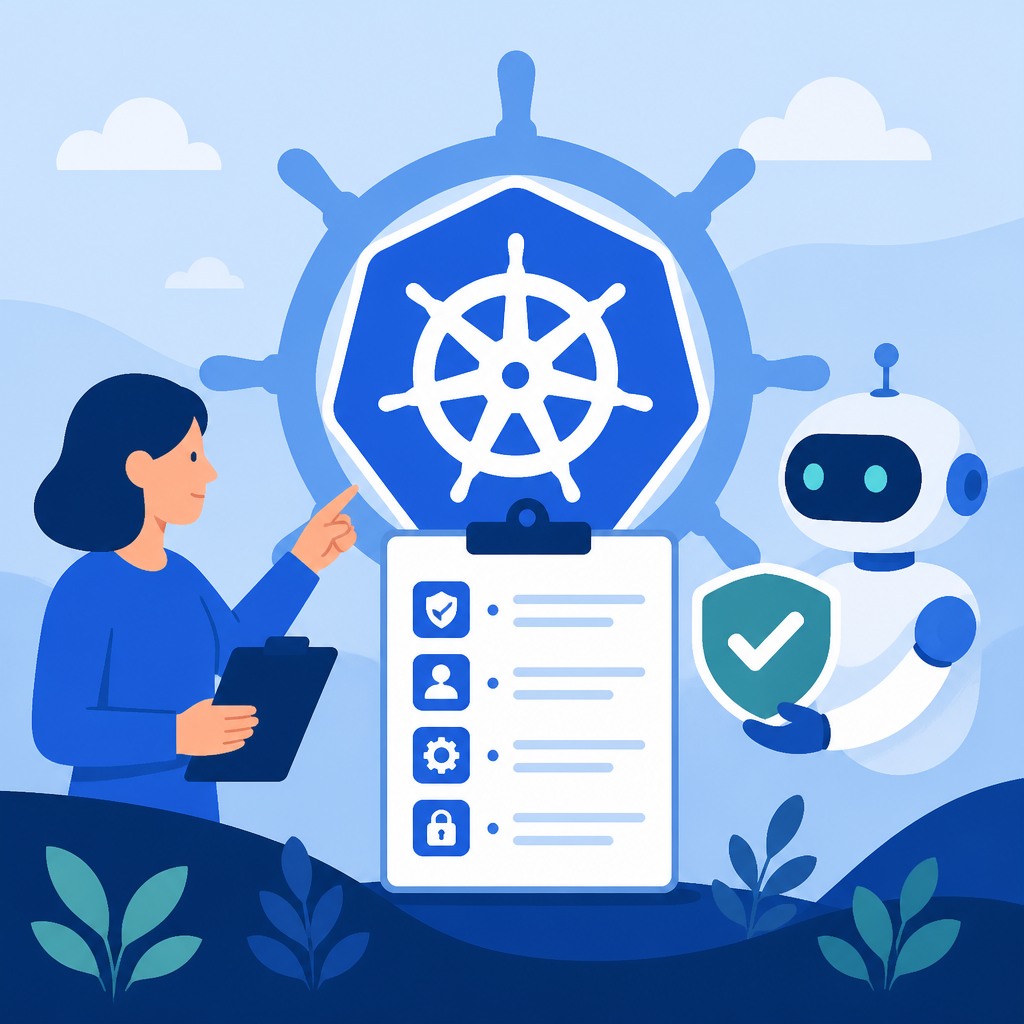
That matters more in a project like Kubernetes than it would in a small internal repo. Kubernetes has a huge contributor base, a complex release process, and a long memory for design decisions. A model can draft a patch quickly, but it does not know why a subsystem was shaped a certain way five years ago.
The community’s stance also cuts against a common temptation in AI-assisted engineering: treating review as a checkbox. Kubernetes is saying the opposite. Review is where accountability lives, and accountability has to stay attached to a named human maintainer.
- AI may reduce repetitive review work
- Humans keep final authority over merges
- Maintainers must answer review questions themselves
- Code quality and security remain human responsibilities
Disclosure rules are doing real governance work
Kubernetes is not banning AI use. It is asking contributors to disclose it clearly in pull request descriptions. That is a practical move, because reviewers can apply more scrutiny to AI-generated snippets, especially when a patch touches licensing, provenance, or subtle behavior in core infrastructure.
The policy also bans AI-generated commit messages. That detail sounds small, but it protects the historical record of the project. Commit messages are how future maintainers reconstruct intent, and Kubernetes wants those notes to reflect a person’s reasoning, not a model’s guess.
This is where the policy gets more interesting than a generic “use AI carefully” memo. It draws a line between assistance and authorship. AI can help draft code or summarize noise, but the project wants the human trail to remain visible and auditable.
“The ultimate responsibility for code quality, security, and project integrity rests firmly with human maintainers.”
That sentence, from the Kubernetes policy itself, captures the whole philosophy. The project is making room for AI without pretending that software governance can be automated away.
Testing AI tools before wider use
Kubernetes is also treating AI tools like any other change to a production-grade process: test first, then expand. The article says new utilities are introduced in targeted kubernetes-sigs repositories, including Kueue and Agent-Sandbox.
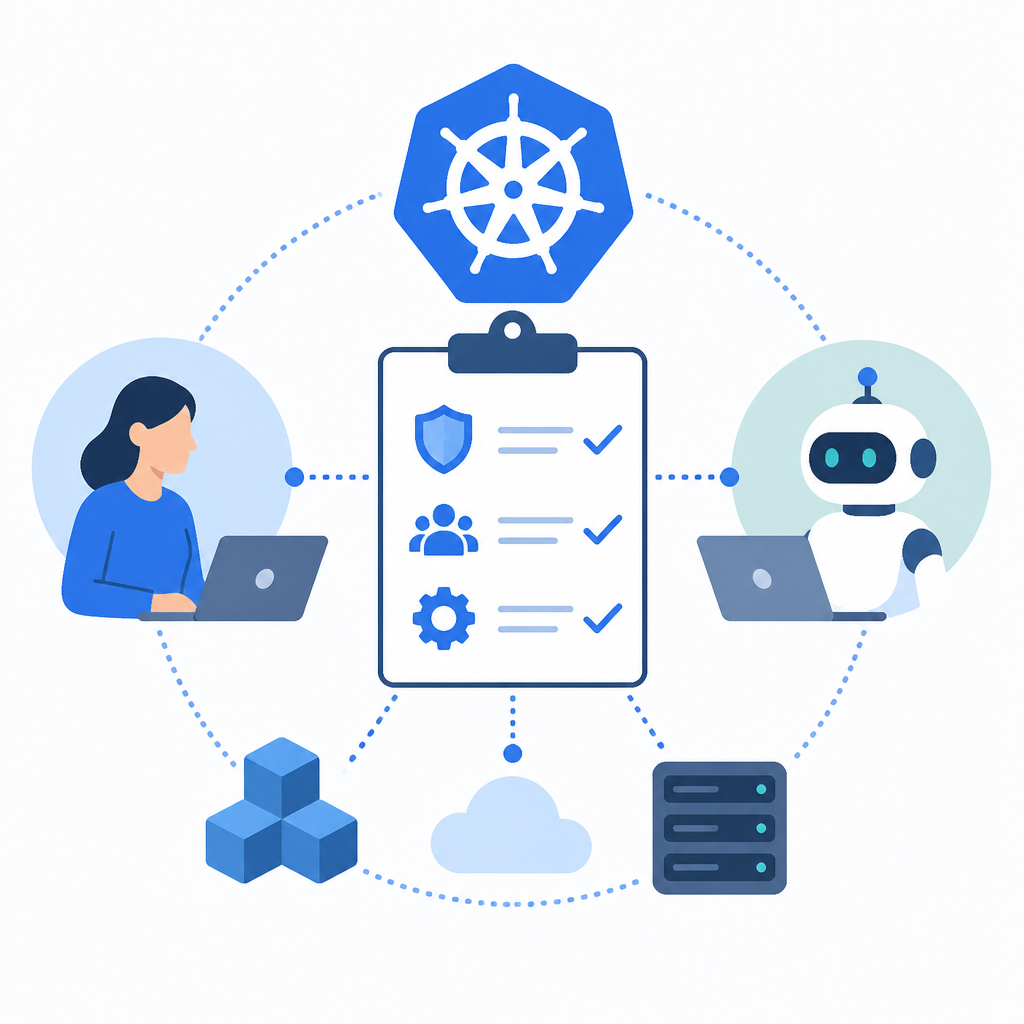
One example is CodeRabbit, which Kubernetes says was tuned and then rolled out to several projects as a quality gate. The point is not to let software make decisions on its own. The point is to give contributors fast feedback before a human reviewer spends time on a patch.
That matters because large projects drown in review overhead. If a tool can flag obvious issues early, maintainers get more time for the parts of review that actually require judgment: API changes, compatibility risk, and release impact.
- Kueue is one of the testbeds
- Agent-Sandbox is another pilot repo
- CodeRabbit is used as a quality gate
- AI feedback is advisory, not final
The real goal is lower burnout, not fewer people
The most practical motivation in the policy is maintainer burnout. Kubernetes wants AI to help with failing test triage and pipeline optimization, two jobs that can eat hours without adding much strategic value.
That is a sensible target. If AI can sort noisy failures, summarize likely causes, or point reviewers to the right logs, maintainers can spend more time on the work that only humans can do: deciding whether a change belongs in the project and whether it fits the architecture.
The community is also talking about benchmarks, audit cycles, and checks against “architectural drift.” That last phrase matters. A project can accept lots of individually reasonable AI suggestions and still end up with code that feels inconsistent over time. Kubernetes wants a process that catches that drift before it becomes expensive to undo.
For a broader look at how AI is changing open-source work, see our related coverage of open-source maintainership policies and agentic AI architecture.
Kubernetes is setting the template for AI-era maintenance
This policy is likely to matter beyond Kubernetes. Once a project this influential writes down rules for AI-assisted maintenance, other infrastructure teams will copy the parts that fit their own risk profile and ignore the rest.
The bigger takeaway is that AI in open source is moving from experiment to governance. Kubernetes is not asking whether AI can help. It is asking how to keep trust intact while using it. That is a more useful question, and it is the one other projects will probably have to answer next.
If the policy works, expect the next wave of open-source rules to look less like AI adoption hype and more like process engineering: disclosure, human sign-off, audit trails, and narrow use cases where automation saves time without taking ownership away from maintainers.
That is the standard worth watching now: not whether AI can write more code, but whether a project can use it without weakening the chain of accountability that makes open source work.
// Related Articles
- [IND]
OpenAI's gov partnerships turn access into policy
- [IND]
BYOA is the only path for vibe coding apps
- [IND]
AI models are eating the software stack, and app-layer companies are …
- [IND]
This ML project index covers every skill level
- [IND]
Entire’s agent Git network fixes AI code trust
- [IND]
OpenAI’s 54% token-efficiency gain is the real AI coding battleground