LightRAG proves graph RAG needs simpler defaults, not more complexity
LightRAG shows that graph RAG wins when it reduces setup, speeds retrieval, and keeps multimodal workflows practical.

LightRAG argues that graph RAG works best when it is simple, fast, and deployable.
LightRAG is the right direction for retrieval-augmented generation because it treats complexity as a liability, not a feature. The repository now advertises a lightweight graph-based RAG framework, a REST API, a web UI, multimodal parsing, and role-specific model settings, all while positioning itself as a simpler alternative to heavier graph systems. That combination matters because most teams do not fail at RAG from lack of ambition; they fail because their stack is too slow to index, too hard to operate, and too brittle to update.
First argument: speed and simplicity beat ornate RAG stacks
Get the latest AI news in your inbox
Weekly picks of model releases, tools, and deep dives — no spam, unsubscribe anytime.
No spam. Unsubscribe at any time.
Graph RAG systems have a reputation for impressive demos and painful production behavior. LightRAG’s core claim is that it avoids the usual tax by keeping the architecture lean: a dual-layer design that blends knowledge graphs with vector embeddings without forcing teams to build a research project just to answer questions over documents. The repo’s own framing as an “efficient alternative” to Microsoft GraphRAG is not marketing fluff, it is a direct challenge to the idea that better retrieval must come with more moving parts.
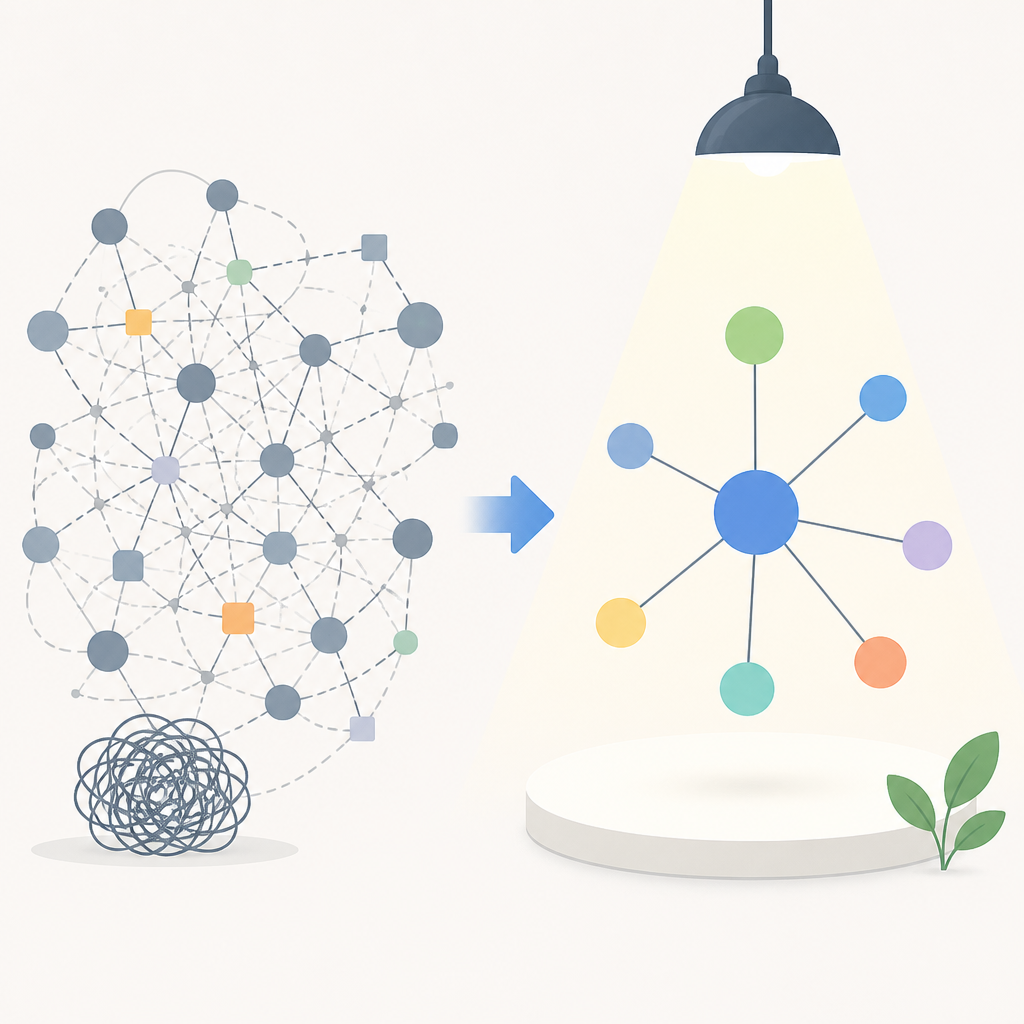
The evidence is in the project’s evolution. The changelog highlights scalability work aimed at eliminating processing bottlenecks for large-scale datasets, plus support for reranking as the default query mode for mixed queries. That is the right priority order. In real systems, retrieval quality matters only after the pipeline can ingest data fast enough, answer queries without lag, and stay usable when the corpus grows. LightRAG is valuable because it treats throughput and operator sanity as first-class product requirements.
Second argument: multimodal RAG is now table stakes, and LightRAG handles it pragmatically
Most enterprise knowledge is not pure text. It lives in PDFs, manuals, slides, tables, equations, and screenshots, which means any RAG system that ignores multimodal input is already behind. LightRAG’s new multimodal processing pipeline, plus its integration with RAG-Anything, is the most important sign that the project understands the market. The repository explicitly calls out better handling for operation manuals and academic papers, which are exactly the kinds of documents that break text-only chunking strategies.
This matters because multimodal support is not just about adding image embeddings and calling it done. LightRAG also introduces multiple text chunking strategies, role-specific LLM configuration for extraction, query, keywords, and VLM, and a server with both UI and REST API. That is a serious operational stance: different document types need different processing paths, and different roles in the pipeline need different models. The project is not pretending one model or one chunker can solve everything. It is building the controls teams actually need.
The counter-argument
The strongest case against LightRAG is that it still asks teams to manage a lot. Four model roles, multiple storage backends, optional reranking, Docker-based deployment, a setup wizard, and multimodal services all sound like a lot for a “lightweight” framework. Skeptics are right to say that many RAG teams do not need graph reasoning at all, and for simple FAQ or search use cases, a vector store plus a good reranker remains cheaper and easier to maintain.
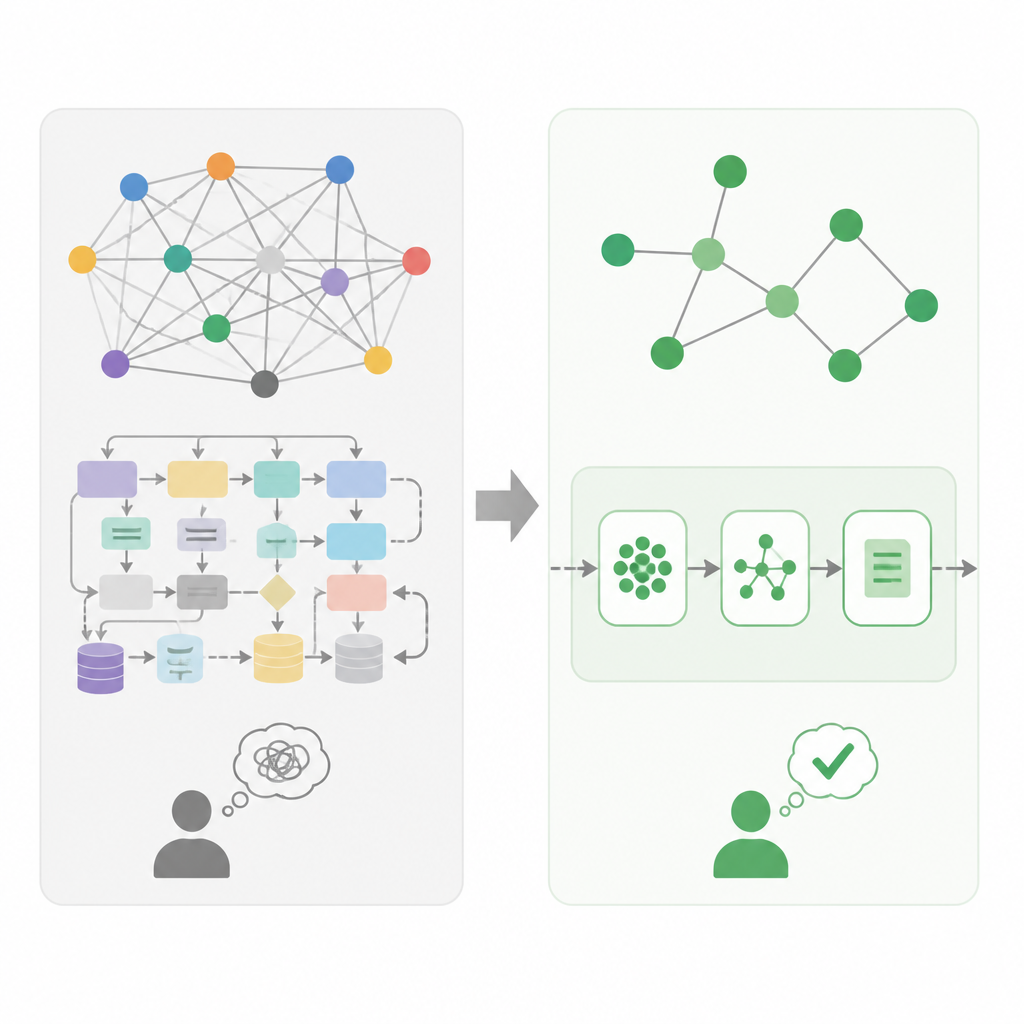
That criticism lands if the use case is narrow. A small internal assistant over a few thousand clean text documents does not need a graph-first architecture. But that is not a rejection of LightRAG, it is a boundary condition. LightRAG’s value appears when the corpus is heterogeneous, the retrieval patterns are mixed, and incremental updates matter. In that environment, the complexity is not optional. It is the cost of building a system that can answer across entities, relationships, and multimodal evidence without collapsing under its own indexing overhead.
What to do with this
If you are an engineer or PM, stop evaluating RAG tools on demo quality alone and test them on three things: ingest speed, update cost, and retrieval traceability. Use LightRAG when your documents are messy, your queries span entities and evidence, and your team needs a usable server, not just a notebook. If you are a founder, the lesson is sharper: do not sell “graph RAG” as a buzzword. Sell a narrower promise, which LightRAG gets right, that better retrieval comes from fewer bottlenecks, clearer roles, and deployment paths that operators will actually ship.
// Related Articles
- [AGENT]
SALA Boosts Long Context on Edge AI
- [AGENT]
Anthropic’s breach proves AI agents need hard security limits
- [AGENT]
GenAI.mil turns a scary prompt into a report
- [AGENT]
EPAM’s OpenAI deal turns pilots into production
- [AGENT]
Prompt engineering is overrated for Claude Code
- [AGENT]
Grok Build adds live previews and rewind fixes