LiveRamp turns ChatGPT ads into sales proof
LiveRamp is OpenAI’s first measurement partner, turning ChatGPT ads into purchase proof before the ad stack fully hardens.

LiveRamp now lets ChatGPT ads tie purchases back to campaigns.
I've been watching OpenAI’s ad push for a while now, and honestly, it has felt a little slippery. The product keeps moving, the ad format keeps changing, and every time I try to pin down what ChatGPT ads actually are, I end up with the same shrug from the market: maybe it’s performance, maybe it’s discovery, maybe it’s just a weird new place to spend test budgets. That’s the problem. If you’re an advertiser, you don’t buy “maybe.” You buy outcomes, or at least something that looks enough like outcomes to justify a line item.
So when OpenAI finally picked a measurement partner, I paid attention. Not because measurement is glamorous — it isn’t — but because it’s usually the first real sign that a platform wants to be taken seriously by performance teams. I’ve seen this movie before: launch the ads, hand-wave the attribution, then scramble later when buyers ask for proof. OpenAI is doing it in reverse, or at least faster than usual, which tells me it knows the trust problem is the real problem.
What got me here was Digiday’s report on OpenAI’s first measurement partner in LiveRamp. The piece lays out the deal, the scope, and the part that matters most: this is about connecting ChatGPT ads to real-world purchases, not just clicks. That’s the part advertisers actually care about, and it’s the part OpenAI needs if it wants budgets to move beyond curiosity.
OpenAI didn’t pick measurement as an afterthought
Get the latest AI news in your inbox
Weekly picks of model releases, tools, and deep dives — no spam, unsubscribe anytime.
No spam. Unsubscribe at any time.
“OpenAI’s speed dating tour of ad tech has a new match: LiveRamp.”
What this actually means is OpenAI is treating measurement like infrastructure, not a nice-to-have. That’s a big deal. Most platforms wait until they have enough ad volume to make measurement feel inevitable. OpenAI is doing it while the ads business is still young, because it needs proof before it gets scale, not after.
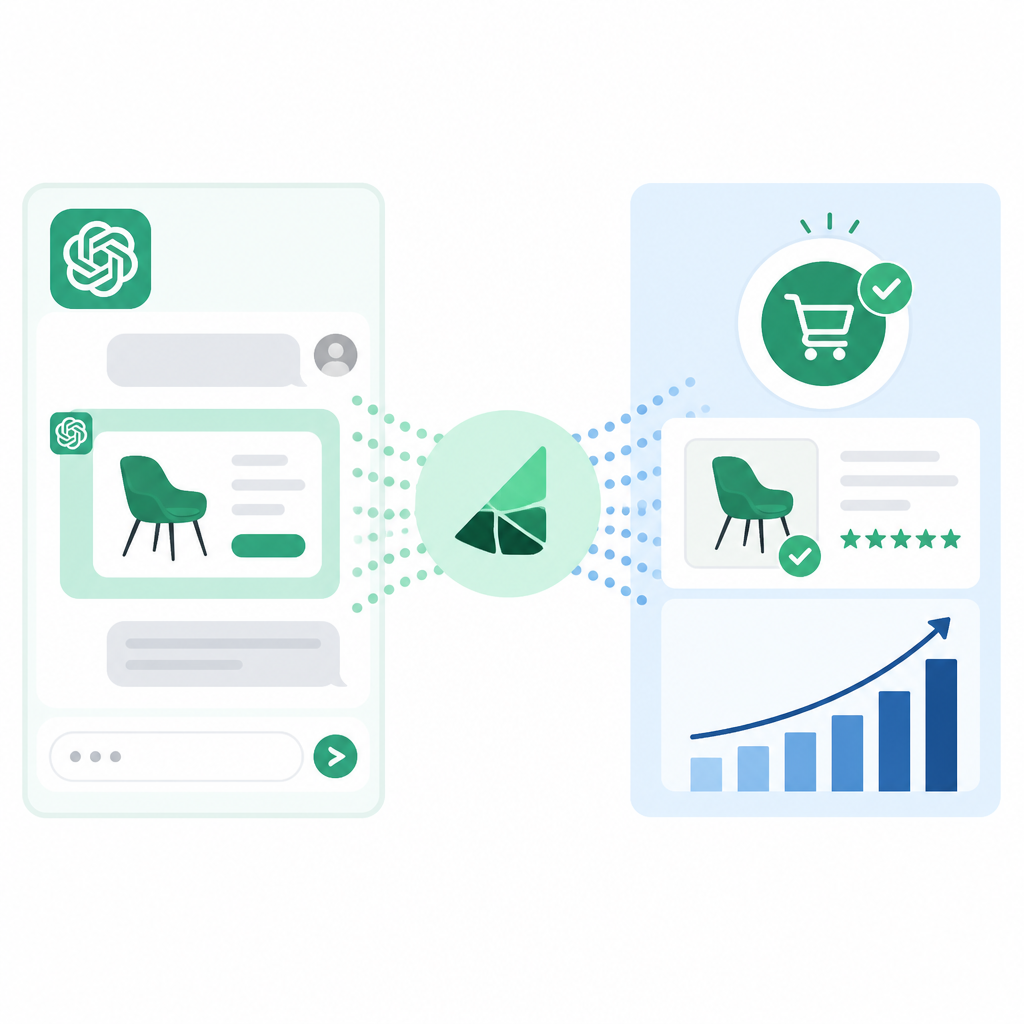
The Digiday article says LiveRamp is the first independent ad tech company to pipe conversion data into OpenAI’s conversion API. Brands could already do this directly, but not through an intermediary. That sounds small until you realize what it unlocks: a familiar data path for advertisers who already use LiveRamp with Meta, Google Ads, and TikTok. OpenAI is borrowing a playbook buyers already trust.
I’ve run into this exact issue with new inventory before. The ad product can be decent, but if measurement is awkward, the whole thing gets boxed into “test spend” forever. Nobody wants to be the person who approved budget into a black box. A clean measurement story doesn’t fix everything, but it gets the conversation out of vibes and into numbers.
How to apply it: if you’re building a new ad product, don’t wait for scale to think about attribution. If you’re buying into a new platform, ask what conversion paths already exist, who owns them, and whether the platform is asking you to trust its own math without any external verification.
Transaction data beats click theater
“We find the transaction data is actually far more valuable than the click-based data,” said Travis Clinger.
What this actually means is LiveRamp is not selling OpenAI on vanity metrics. It’s selling purchase evidence. That’s a much harder, much better pitch. If someone sees an ad in ChatGPT, ignores it, and later buys the product in a store, the platform can still get credit if the transaction data is matched correctly. That matters because clicks are often a weak proxy for intent, especially in conversational interfaces where the user may never need to tap anything.
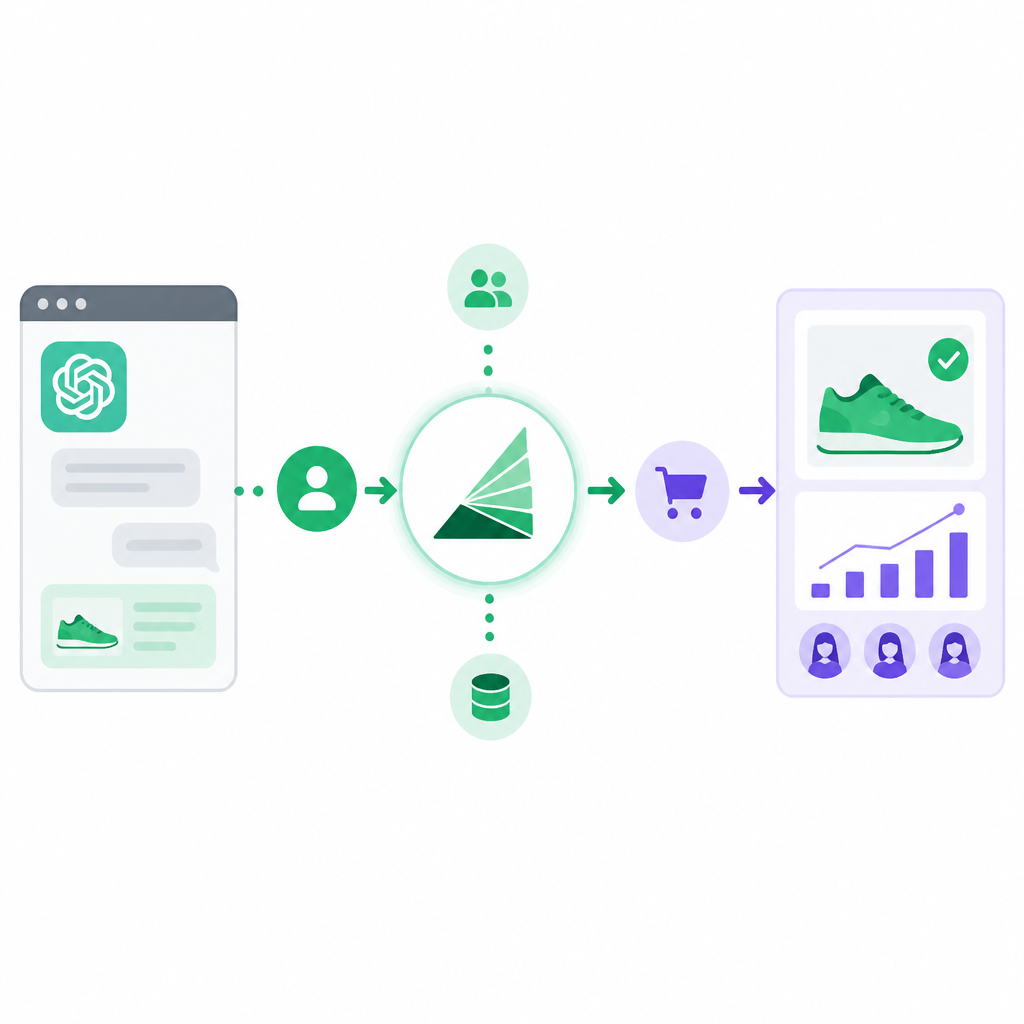
The article’s Nike example is the right mental model. A person sees a Nike ad in ChatGPT, doesn’t click, walks into a store two days later, buys trainers. LiveRamp pulls purchase data from Nike’s till records, hashes the email, matches the buyer, and sends the signal back to OpenAI. The platform gets a real sale, not an accidental tap.
I’ve always been suspicious of click addiction in ad tech. Clicks are easy to count and easy to overvalue. They make dashboards look busy. But if I’m sitting in a performance review, I’d rather hear that a platform can connect to actual sales than hear about an engagement rate that mostly flatters the interface. Transaction data is messier to set up, but it’s the kind of mess that pays for itself.
- Use transaction data when you care about revenue, not just traffic.
- Use clicks only when they actually predict downstream action.
- Prefer measurement paths that can survive a skeptical finance team.
How to apply it: if you’re an advertiser, map the signals you already own — POS data, CRM data, order data, hashed email — and figure out which platforms can ingest them without forcing you into a proprietary dead end. If you’re a platform, stop pretending engagement is enough. Buyers want proof of business outcomes, and they want it early.
The scope is narrow on purpose
“It’s U.S.-only for now, with Europe close behind, and limited to select mutual clients of OpenAI and LiveRamp.”
What this actually means is OpenAI is not trying to boil the ocean. It’s starting with a controlled rollout because controlled rollouts are how you keep the story clean. If this were wide open, every attribution bug and every mismatch would become a public problem. Instead, OpenAI gets a small set of clients, a smaller risk surface, and a better chance of proving the model.
That’s also why the article says the first advertiser is expected to go live “this week,” though it isn’t named. OpenAI wants the integration to be real without making it look chaotic. That balance matters. In ad tech, the first partner often becomes the proof point everyone else studies, whether the company likes it or not.
I’ve seen too many launches fail because teams confuse “available” with “ready.” Available means the API exists. Ready means the plumbing works, the privacy story holds up, and the buyer can explain it to legal without sweating through the meeting. OpenAI seems to understand that difference here.
How to apply it: if you’re rolling out a measurement integration, limit the blast radius. Start with a small client set, one geography if you have to, and one signal type that’s easiest to validate. Don’t start with the hardest attribution problem you can find. That’s how you end up debugging in public.
Neutrality is the whole game, and it’s under pressure
“It will be interesting to watch though if OpenAI partners with a truly independent measurement partner,” said Shirley Marschall.
What this actually means is the market is already side-eyeing the deal because LiveRamp is heading toward Publicis ownership. That matters. Measurement only works as a trust layer if buyers believe the referee isn’t also on the field. The Digiday piece calls out the tension directly: LiveRamp’s value has always been its neutrality, and now that neutrality is being tested by a deal with a holding company.
LiveRamp’s Travis Clinger pushed back, saying Publicis was explicit about preserving LiveRamp’s independence and that the company would operate as a standalone business. Maybe that holds. Maybe it does not. But the concern is legitimate, because advertisers have been burned enough times to know that “independent” can mean “independent until the contract gets interesting.”
This is where the platform ecosystem gets annoying. Everyone wants the trust badge, but not everyone wants the constraints that come with it. If OpenAI wants third-party measurement to do real work, it needs partners buyers believe are not grading their own homework. That means independence matters almost as much as the data path itself.
- Ask whether the measurement partner is structurally independent.
- Ask who benefits if the attribution model overstates performance.
- Ask whether the partner can still be trusted after an acquisition or commercial tie-up.
How to apply it: if you’re choosing a measurement vendor, treat ownership structure as a technical requirement, not a footnote. If the vendor’s incentives are tangled with the platform’s incentives, the numbers may still be useful, but they won’t carry the same weight in a budget meeting.
This is how OpenAI starts selling performance, not curiosity
“The AI advertising ecosystem is still being defined.”
What this actually means is nobody knows yet whether ChatGPT ads are a shopping engine, a research surface, or some ugly mix of both. And that uncertainty is expensive. When buyers don’t know what a platform really does, they keep spend experimental. Measurement is how OpenAI tries to move from “interesting” to “worth scaling.”
The article makes a point I think is dead on: OpenAI is compressing the normal timeline. TikTok took years to bring in third-party measurement. OpenAI is doing it in months because it needs confidence faster. That doesn’t mean the market is ready. It means OpenAI has decided it can’t wait for the market to become ready on its own.
I’ve been in enough channel launches to know this pattern. First comes the novelty spend. Then the skeptical spend. Then, if the platform survives, the performance spend. Measurement is what gets you from the second stage to the third. Without it, you stay trapped in “let’s test this and see.”
How to apply it: if you’re a marketer, don’t confuse early curiosity with durable demand. Ask what evidence would make you increase spend, and make sure the platform can produce that evidence in a form finance and analytics will accept. If you’re building the platform, know that measurement is not just reporting. It’s sales enablement.
The template you can copy
# ChatGPT ads measurement rollout template

## Goal
Connect conversational ad exposure to real-world purchases using transaction data, hashed identifiers, and a third-party measurement partner.

## When to use this
- You are launching ads in a new AI product
- You need proof of business outcomes, not just clicks
- You already have purchase or CRM data you can match

## Measurement inputs
- Ad exposure data from the platform
- Transaction data from the advertiser
- Hashed email or another privacy-safe identifier
- Optional: click data, if the platform supports it

## Operating rules
1. Start with a limited client set.
2. Start with one geography if the rollout is new.
3. Prefer transaction data over click-only reporting.
4. Keep the measurement partner structurally independent.
5. Document who owns attribution logic before launch.

## Data flow
Advertiser purchase data -> measurement partner -> platform conversion API

## Questions to answer before launch
- What counts as a conversion?
- Which identifiers are allowed?
- Who can see raw transaction data?
- How are matches validated?
- Who controls attribution methodology?
- What happens if the partner is acquired?

## Copy-ready rollout checklist
- [ ] Confirm platform support for conversion API ingestion
- [ ] Confirm advertiser can export transaction data
- [ ] Confirm privacy review is complete
- [ ] Confirm legal review covers ownership and neutrality
- [ ] Confirm test advertiser is selected
- [ ] Confirm success metric is business outcome, not engagement
- [ ] Confirm reporting cadence is weekly
- [ ] Confirm escalation path for mismatched data

## Plain-English pitch to a buyer
We can connect ad exposure in the chatbot to actual purchases, using privacy-safe matching and third-party verification, so you can judge the campaign on sales instead of clicks.

## Copy-ready internal note
This rollout is intended to validate whether chatbot ads can drive measurable purchase outcomes. The first phase is limited, privacy-safe, and measured through an independent partner.
The useful part of this template is not the jargon. It’s the discipline. New ad products die when nobody can explain the measurement path in one paragraph. This gives you that paragraph, plus the checklist I’d want in front of me before I signed off on spend.
If I were running this for real, I’d keep the first test brutally simple: one advertiser, one purchase signal, one weekly report. No heroics. Just enough structure to answer the only question that matters at the beginning: did the ads move sales, yes or no?
Source attribution: The reporting and quoted material come from Digiday’s article at https://digiday.com/marketing/openais-chatgpt-ads-get-their-first-measurement-partner-in-liveramp/. The breakdown, framing, and template above are my own synthesis built from that source.
// Related Articles
- [IND]
Immich Docker Compose setup that avoids common errors
- [IND]
Millions Raised for Zhipu-style Social World Model
- [IND]
Anthropic’s Book Scanning Strategy Could Set a Pattern
- [IND]
Huang’s open-letter playbook for open-weight AI
- [IND]
32 firms back open-weight AI in DC letter
- [IND]
Huang usa il suo primo post su X per difendere l’IA aperta