Microsoft AI Cloud Partner Program for builders
Microsoft’s AI Cloud Partner Program gives builders tools, credits, and go-to-market support to ship and sell customer solutions.

Microsoft’s AI Cloud Partner Program gives builders tools, credits, and go-to-market support to ship and sell customer solutions.
Microsoft is pitching its AI Cloud Partner Program as the main on-ramp for companies that want to build, package, and sell software on its cloud and AI stack. The pitch is simple: if you are already shipping customer work, Microsoft wants to give you a clearer path to technical resources, partner benefits, and sales motion support.
The offer matters because partner programs are no longer just about logo badges and directory listings. For many software firms, they now shape access to product teams, cloud credits, marketplace routes, and co-selling motions that can shorten the distance between a prototype and a paying customer.
| Program signal | What it means | Why it matters |
|---|---|---|
| Partner program | Microsoft AI Cloud Partner Program | Primary entry point for solution builders |
| Official site | partner.microsoft.com | Central hub for enrollment and benefits |
| Audience | ISVs, services firms, and builders | Targets companies that sell customer solutions |
Microsoft is turning partner status into a distribution channel
Get the latest AI news in your inbox
Weekly picks of model releases, tools, and deep dives — no spam, unsubscribe anytime.
No spam. Unsubscribe at any time.
Microsoft has spent years turning its partner ecosystem into a sales engine. The AI Cloud Partner Program pushes that idea further by tying technical enablement to market access. If you build on Microsoft cloud services, the program is meant to help you package what you built and get it in front of buyers who already use Microsoft technology.
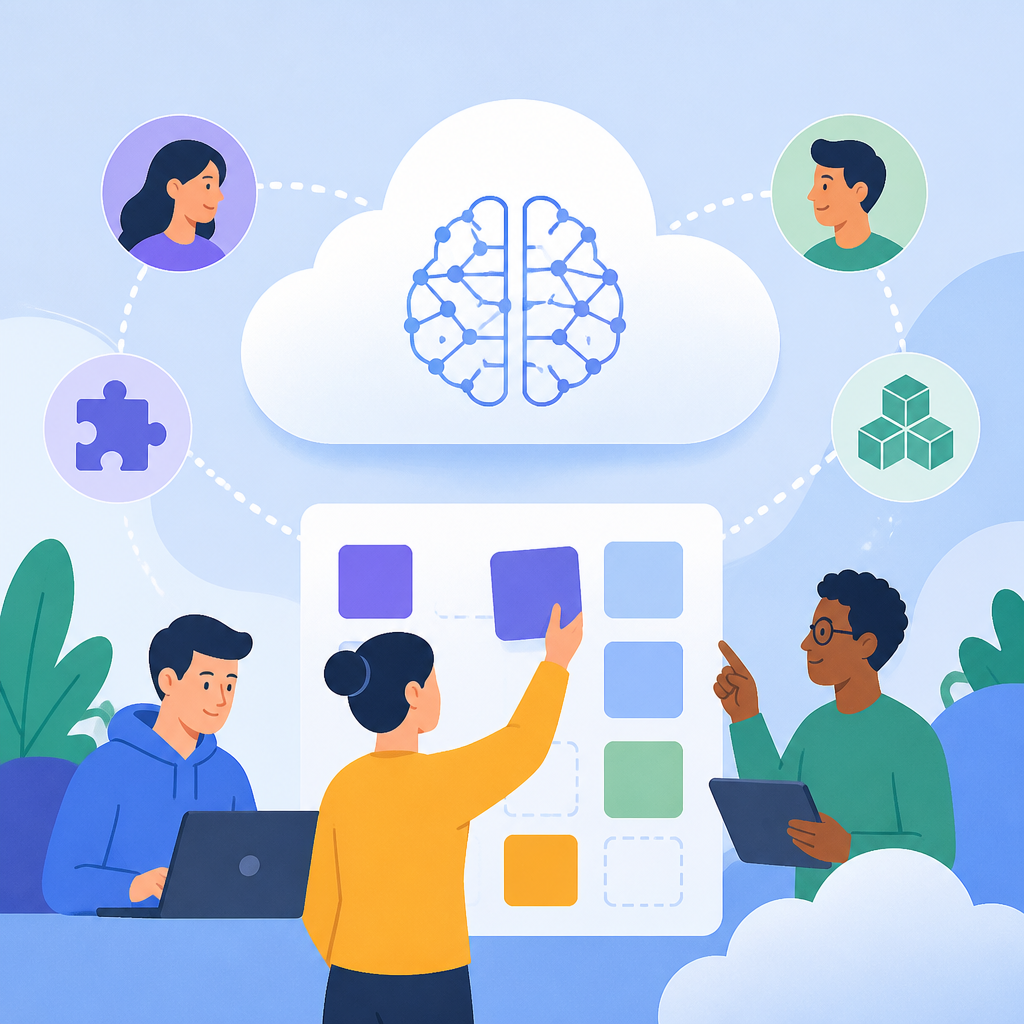
That matters because software distribution is expensive. A strong product can still stall if it lacks a credible route to enterprise customers. Microsoft’s partner motion tries to solve that by giving builders a place inside a much larger commercial machine.
For developers and startups, the practical value usually comes down to four things: access to cloud and AI tooling, partner benefits, guidance on solution design, and ways to sell through Microsoft channels. Those are the pieces that can turn a side project into a repeatable business.
- Cloud and AI services for building customer-facing products
- Partner benefits that can lower early infrastructure costs
- Go-to-market support for selling into enterprise accounts
- Marketplace and co-sell paths for packaged solutions
The AI piece changes what partners are building
The program’s branding makes one thing obvious: Microsoft wants partners to build around AI, not treat it as a separate experiment. That is a meaningful shift for consultancies and software vendors that used to sell mostly migration, integration, or managed services.
In practice, that means more partners will need to ship products that use models, copilots, retrieval workflows, and domain-specific automation. The winners will be the firms that can turn a service engagement into software that can be repeated across customers.
Microsoft has been explicit about its AI direction across products like Azure AI services and Microsoft Copilot, and the partner program is the commercial layer around that strategy. If you want to sell into Microsoft-heavy accounts, the message is clear: build around the stack customers already trust.
“A partner’s success is our success.” — Satya Nadella, Microsoft Build 2022 keynote
That quote fits the program’s logic almost too well. Microsoft benefits when partners sell more software on top of its infrastructure, and partners benefit when they can ride an established enterprise relationship instead of starting from zero.
What builders should compare before joining
Not every partner program is equally useful. The real question is whether the benefits match the company’s stage. A small startup may care most about credits and technical access, while a mature services firm may care more about co-selling and customer referrals.
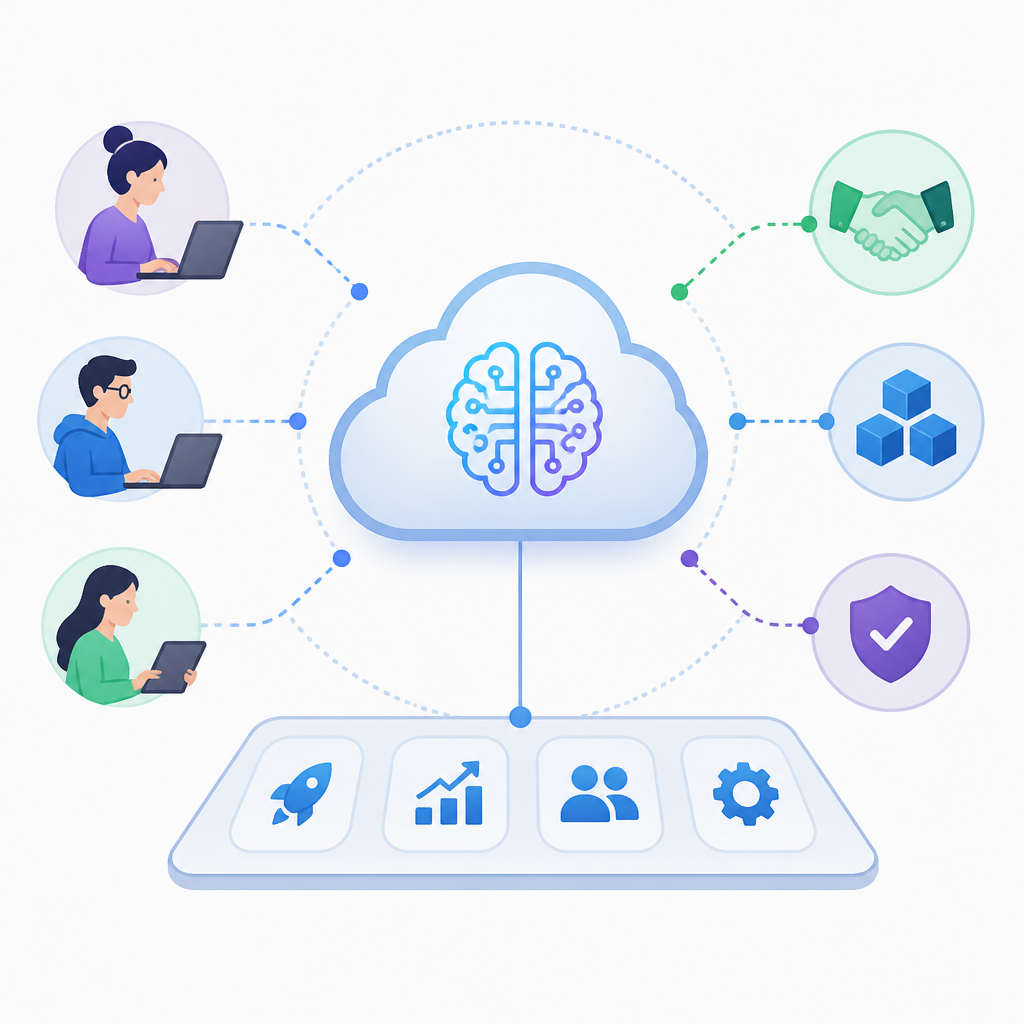
It also helps to compare Microsoft’s approach with other major ecosystems. Google Cloud Partner Advantage and AWS Partner Network both offer routes for builders, but Microsoft’s edge is its deep footprint in enterprise IT and productivity software.
- Microsoft AI Cloud Partner Program: strongest fit for teams selling into Microsoft-centric enterprises
- AWS Partner Network: broad cloud ecosystem with a long history in infrastructure-led sales
- Google Cloud Partner Advantage: attractive for data, analytics, and AI-heavy workloads
- Microsoft solutions path: useful for firms packaging repeatable offers
For many teams, the deciding factor will be whether the program helps them move from services revenue to product revenue. That transition is where margins improve, sales become easier to forecast, and customer acquisition stops depending entirely on founder-led outreach.
The real test is whether partners can ship repeatable products
The Microsoft AI Cloud Partner Program is less about joining a club and more about changing how a business gets built. If you are a developer shop, an independent software vendor, or a consulting firm with a product idea, the program is basically an invitation to standardize what you sell and attach it to Microsoft’s enterprise reach.
That will not make weak products sell. It will, however, give strong teams a better shot at packaging their work in a way procurement teams understand. The companies that win here will be the ones that treat the program as a distribution and product strategy, not a badge for the website footer.
My read: the next wave of partner success will come from firms that build one repeatable AI workflow, prove it across a few customers, and then use Microsoft’s channel to scale it. If that sounds like your business, the program is worth a hard look now rather than later.
// Related Articles
- [IND]
OpenCode vs Cursor: Open-Source CLI vs AI Editor 2026
- [IND]
Rust Adoption Is Moving Into Production
- [IND]
OpenAI’s 5% government stake would reset AI politics
- [IND]
Microsoft launches Frontier Company for AI delivery
- [IND]
MiCA Pushes L2 Competition Into Compliance
- [IND]
Ethereum Launches Institution-Focused Nonprofit