Microsoft says AI is now normal in classrooms
Microsoft’s new AI in Education report says schools are using AI widely and now need clearer support, training, and policy.

Microsoft says AI is already common in education and schools now need more support to use it well.
Microsoft published a new Source post on June 24, 2026 that puts a hard number behind what many educators already feel: AI use in schools is no longer experimental. The company says its new AI in Education Report shows widespread adoption, plus a rising need for training, guidance, and policy support.
| Item | Detail |
|---|---|
| Report | Microsoft’s AI in Education Report |
| Publication date | June 24, 2026 |
| Article category | Company News |
| Source hub | Microsoft Source |
AI use in education has moved past the pilot phase
Get the latest AI news in your inbox
Weekly picks of model releases, tools, and deep dives — no spam, unsubscribe anytime.
No spam. Unsubscribe at any time.
The biggest signal in Microsoft’s post is simple: AI is already in the classroom, in admin workflows, and in the day-to-day work of teachers and staff. That matters because the conversation has shifted from whether schools should try AI to how they should use it without creating extra risk for students or staff.
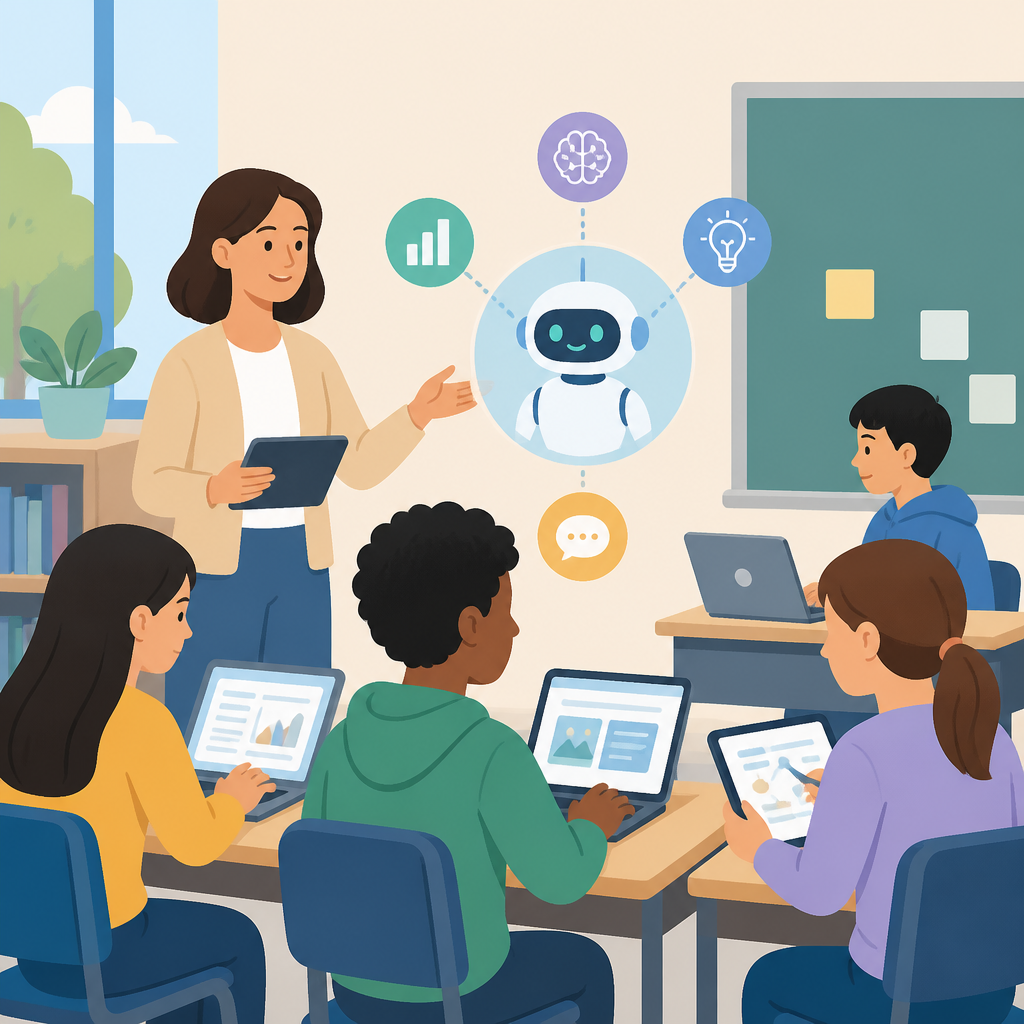
Microsoft does not frame the report as a hype piece. It frames it as a snapshot of adoption and a warning that schools need better support structures. That usually means three things in practice: teacher training, clear usage policies, and tools that fit school systems rather than forcing schools to adapt around them.
- Publication date: June 24, 2026
- Source: Microsoft News, Source blog
- Topic: AI adoption in education
- Core issue: support and guidance
The real issue is not access, it is confidence
If you read between the lines, Microsoft is describing a familiar pattern from every major tech rollout in education. Schools often get access to a tool before they get the playbook for using it responsibly. That creates uneven adoption, with some teachers moving fast and others holding back because they do not know what is allowed, what is safe, or what actually saves time.
Microsoft’s education push also fits its broader product strategy. The company has spent years tying Microsoft Teams for Education, Microsoft 365 Education, and Copilot more tightly into school workflows. The report gives that strategy a new angle: adoption is happening, but schools still need help turning scattered usage into something consistent.
“The real challenge is not whether AI can help students and teachers, but how we use it responsibly,” said Brad Smith, vice chair and president of Microsoft, in Microsoft’s public AI and education messaging.
That quote matters because it matches the direction Microsoft is taking across its education products. The company is no longer selling AI as a novelty. It is selling AI as infrastructure that needs rules, training, and oversight.
Microsoft’s education story now overlaps with policy
Education is one of the few sectors where AI adoption can move quickly and still create friction at every layer. A teacher may use a model to draft lesson plans, while a district leader worries about privacy, procurement, and compliance. A student may use AI to study, while a school board asks whether that changes assessment standards. Microsoft’s report sits right in the middle of those tensions.
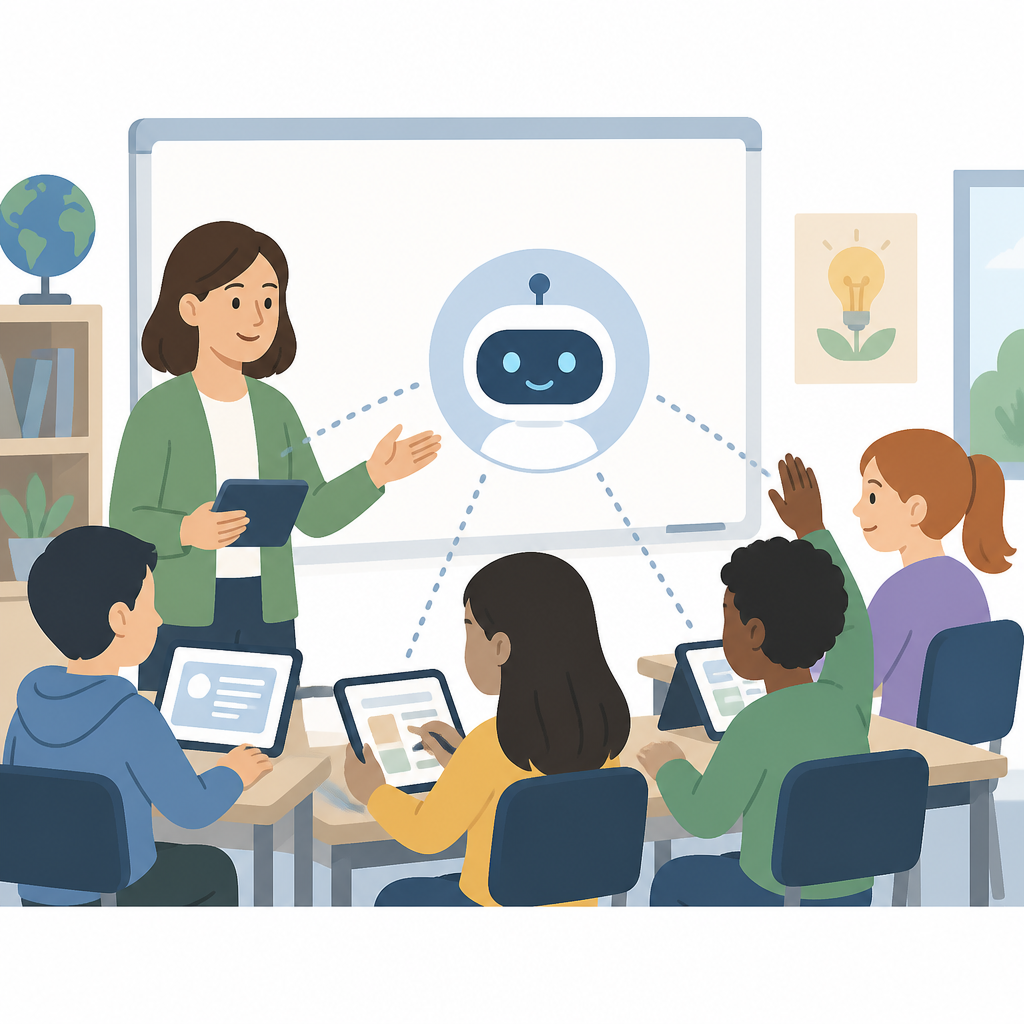
That is why the demand for support matters as much as adoption itself. If schools are already using AI, then the next competitive question is which vendor can help them govern it without turning every decision into a legal review. Microsoft is clearly trying to make that case.
- OpenAI has pushed AI into mainstream classroom use through general-purpose tools
- Google for Education competes on school productivity and admin workflows
- Microsoft Education is tying AI to existing school software stacks
- Microsoft Source is where the company is publishing the latest education and AI messaging
What to watch next
The next useful question is whether Microsoft follows this report with concrete tools for district leaders, teachers, and IT teams. Adoption numbers are interesting, but schools make purchasing decisions around training, safety controls, and how much work a tool adds to already busy staff.
If Microsoft can turn this report into clearer guidance, better admin controls, and practical classroom workflows, it will have a stronger education pitch than companies that only talk about model quality. If it cannot, the report becomes another sign that AI is spreading faster than the institutions around it can absorb.
The most important detail is that education buyers are now asking for support at the same pace they are asking for AI features. That is where the next round of school tech decisions will be made.
// Related Articles
- [IND]
Moka AI Is a Stronger HRMS Choice for Growing Teams
- [IND]
August 2026 Market Review: AI Stocks Flipped Fast
- [IND]
Pixel 11 launch live: every Google reveal
- [IND]
Anthropic’s invisible watermark is the right move
- [IND]
Docker’s latest releases now center security and Compose
- [IND]
Bitcoin’s busy week was a security wake-up call