Microsoft adds AMD chips to Azure AI and HPC
Microsoft is adding AMD Helios and next-gen EPYC chips to Azure, powering new VMs for AI inference, data prep, and chip design.

AI teams keep hitting the same wall: inference queues grow, data prep slows training, and chip design jobs need more memory and faster interconnects. Microsoft says Azure is adding new AMD-backed capacity to handle those workloads at production scale.
Microsoft is expanding Azure with AMD-powered systems for AI inference, data processing, and HPC.
| 項目 | 數值 |
|---|---|
| Announcement date | Jul. 20, 2026 |
| New Azure offerings | HDv2, HXv2, ND MI455X v7 |
| HDv2 CPU cores | Nearly 500 physical 6th Gen AMD EPYC cores |
| HDv2 memory | 4 TB RAM |
| HDv2 local storage | 32 TB NVMe |
| HDv2 networking | 400 Gb Azure Boost |
| HXv2 CPU cores | 176 6th Gen AMD EPYC cores |
| HXv2 cache gain | 50% more addressable cache per core |
| HXv2 memory | Nearly 2 TB or 4 TB RAM |
| HXv2 networking | 800 Gb InfiniBand |
What changed
Get the latest AI news in your inbox
Weekly picks of model releases, tools, and deep dives — no spam, unsubscribe anytime.
No spam. Unsubscribe at any time.
Microsoft said it is expanding Azure’s AI fleet with AMD’s Helios AI platform and next-generation EPYC datacenter processors. The company framed the move as a broader push toward a heterogeneous cloud stack that can match different workloads with different kinds of compute.
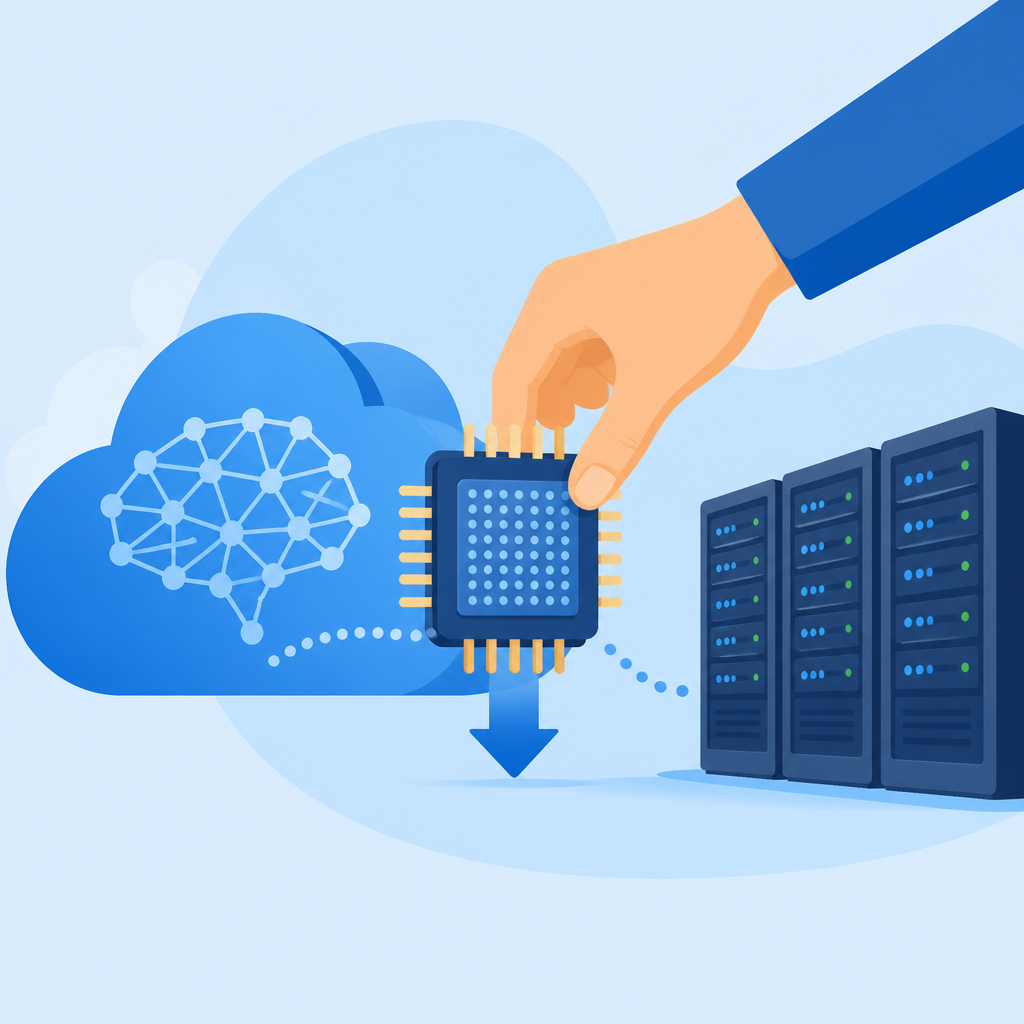
The new AMD-backed systems will power three Azure offerings: HDv2 VMs for data processing, HXv2 VMs for electronic design automation, and ND MI455X v7 VMs for AI inference. Microsoft said all three are aimed at customers running large AI systems, semiconductor design flows, and technical computing jobs that need more specialized infrastructure.
- HDv2 targets AI data systems, data preparation, search, reinforcement learning, and agent coordination.
- HXv2 targets RTL simulation, scientific simulation, engineering analysis, and distributed memory workloads.
- ND MI455X v7 targets reasoning, search, and agentic inference workloads.
- Microsoft says the goal is to improve performance, cost, and energy efficiency across the stack.
HDv2 is the most memory-heavy of the new options, with nearly 500 physical 6th Gen AMD EPYC cores, 4 TB of RAM, 32 TB of local NVMe storage, and 400 Gb Azure Boost networking. Microsoft says that setup is meant to remove bottlenecks in AI pipelines where accelerators depend on fast CPU-side data movement and orchestration.
HXv2 builds on Azure’s earlier HX line, which Microsoft launched with AMD in 2023. The new version uses 176 6th Gen AMD EPYC cores at more than 5 GHz, 50% more addressable cache per core, and VM sizes with nearly 2 TB or 4 TB of RAM. Microsoft also says HXv2 adds 800 Gb InfiniBand, which should matter for large MPI-based simulations and other HPC jobs.
Why it matters
For developers, this is another sign that one cloud SKU will not fit every AI workload. Training, inference, data prep, simulation, and EDA now need different mixes of memory, cache, networking, and CPU throughput, and Azure is trying to expose those trade-offs as selectable VM families.
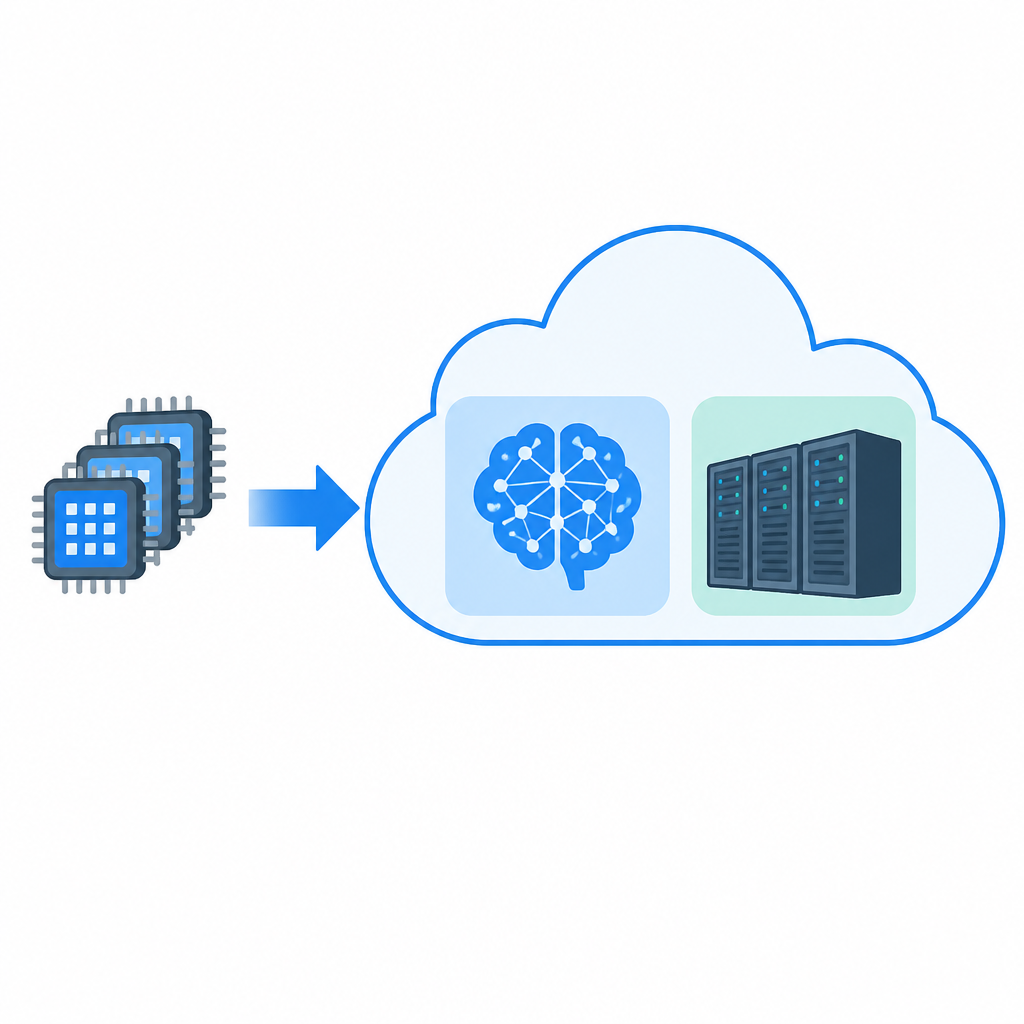
For chip designers and AI platform teams, the practical impact is shorter waits on big simulation and inference jobs, plus more room to tune cost against performance. AMD also called out the partnership in the announcement, and Synopsys said Azure HX-series systems have helped customers extend EDA workloads beyond traditional infrastructure limits.
The takeaway is simple: Microsoft is not just adding more Azure capacity, it is splitting that capacity into more workload-specific lanes. The open question is whether customers will treat these AMD-powered options as niche tools or as the default path for high-end AI and HPC jobs.
// Related Articles
- [TOOLS]
OpenAI's HF breach story turns into a security template
- [TOOLS]
SAP Design System adds AI and cross-platform UI kits
- [TOOLS]
ChatGPT Health turns general chat into a health layer
- [TOOLS]
Kimi K3 vs GLM-5.2: a one-endpoint test
- [TOOLS]
Gemini Live camera turns seeing into help
- [TOOLS]
JianGuoYun Wins Because File Sharing Should Be Sync, Not Shipping